
Chino Ōtsuka Steps Back Into Her Childhood Photos
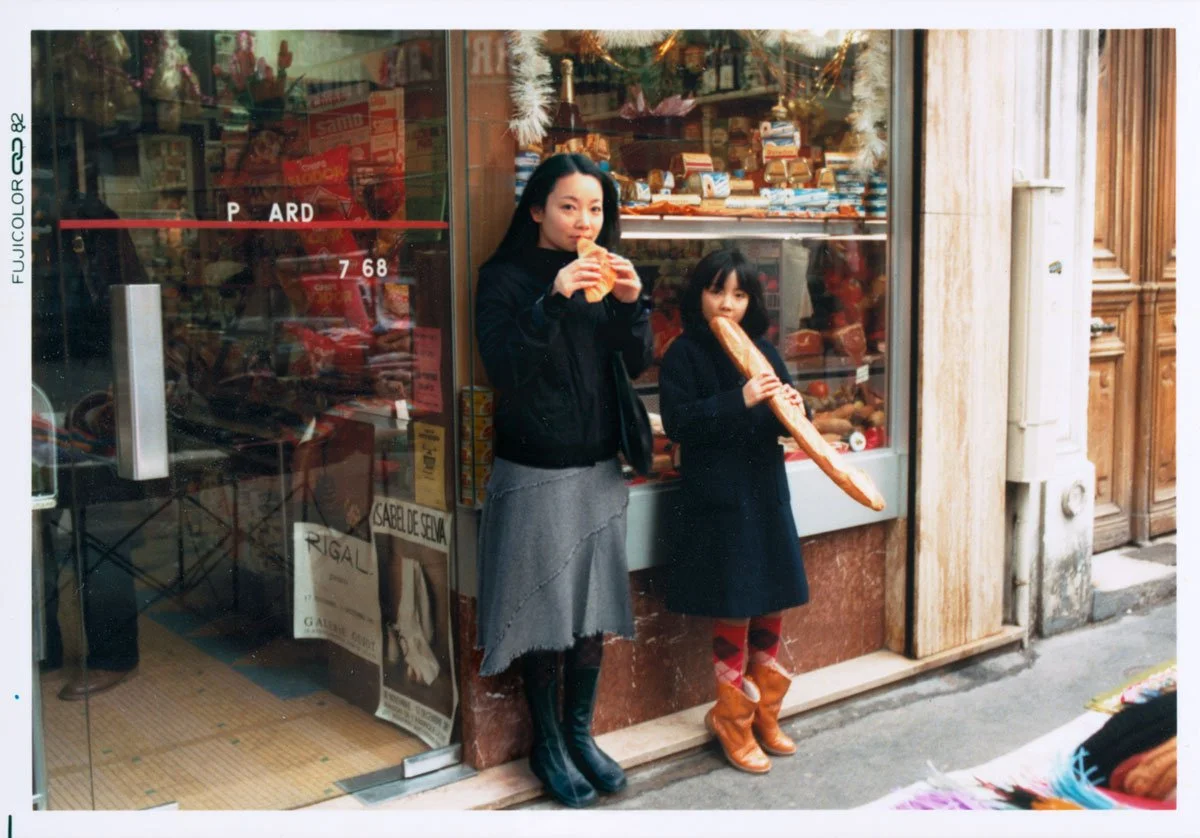
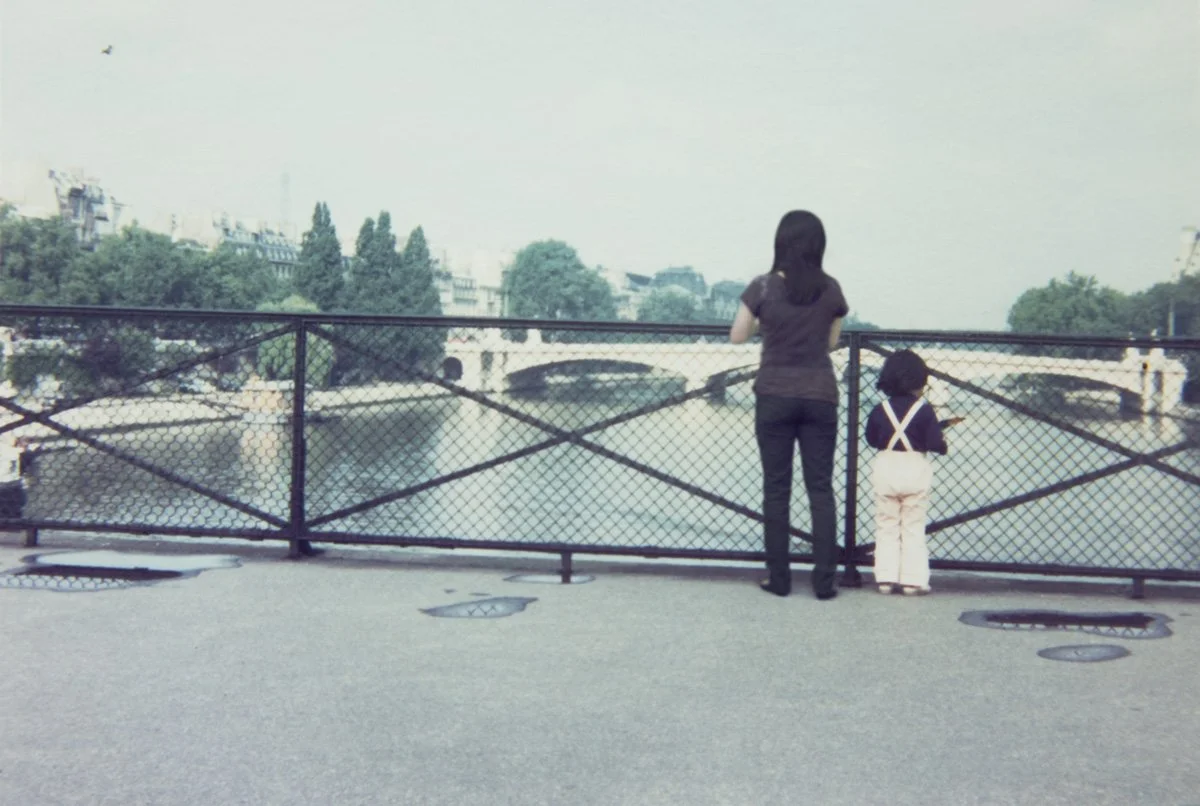
1982 and 2005, Paris, France│© Chino Otsuka
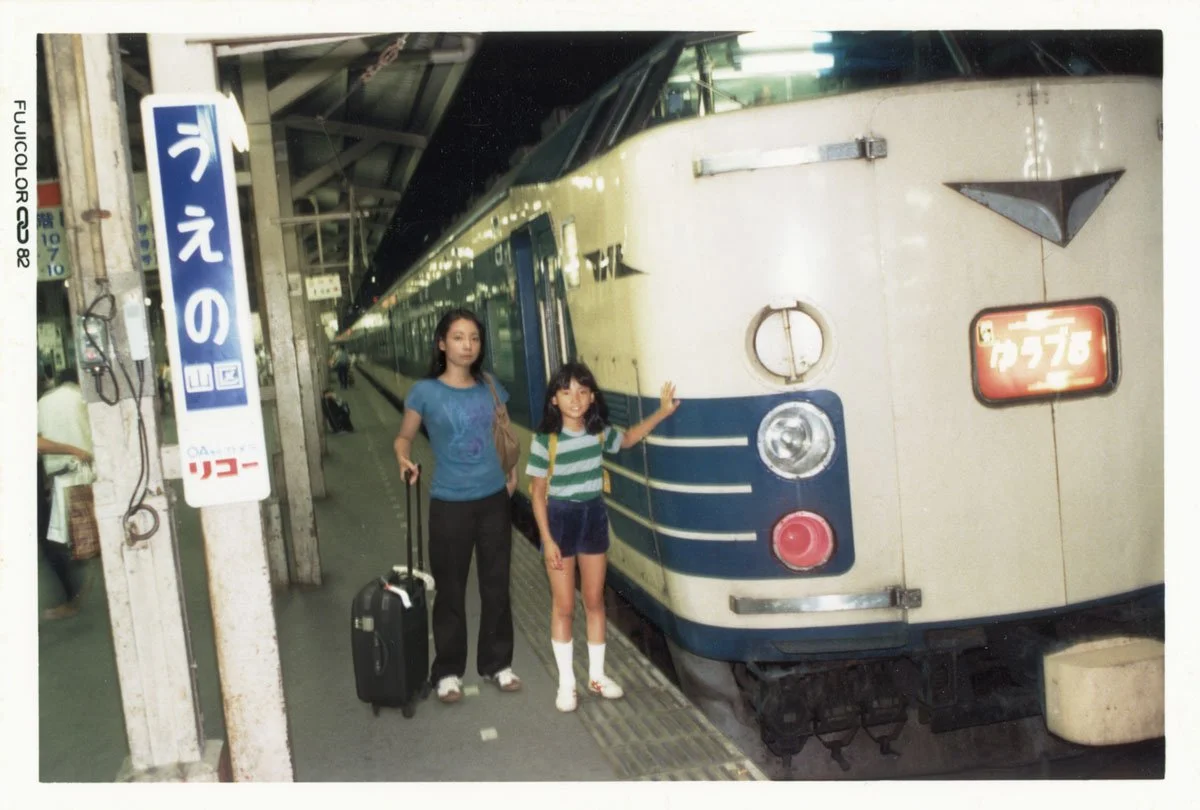
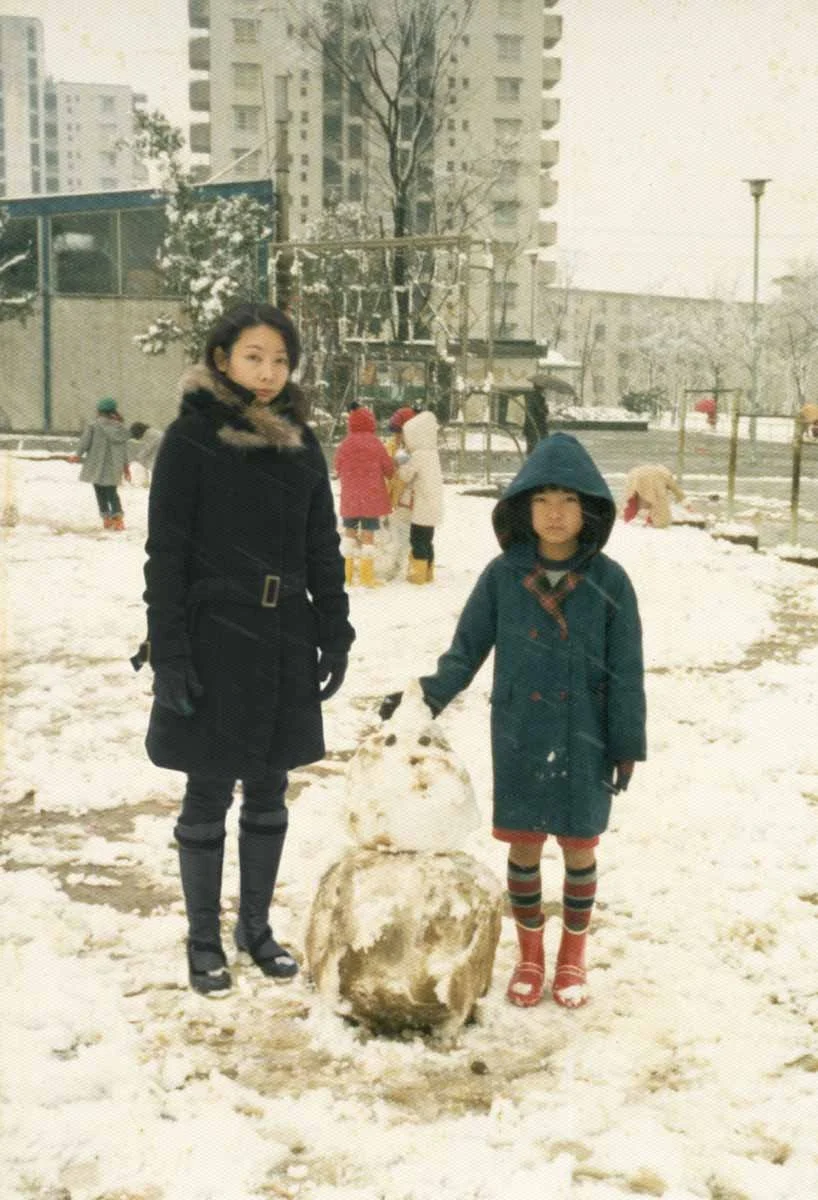
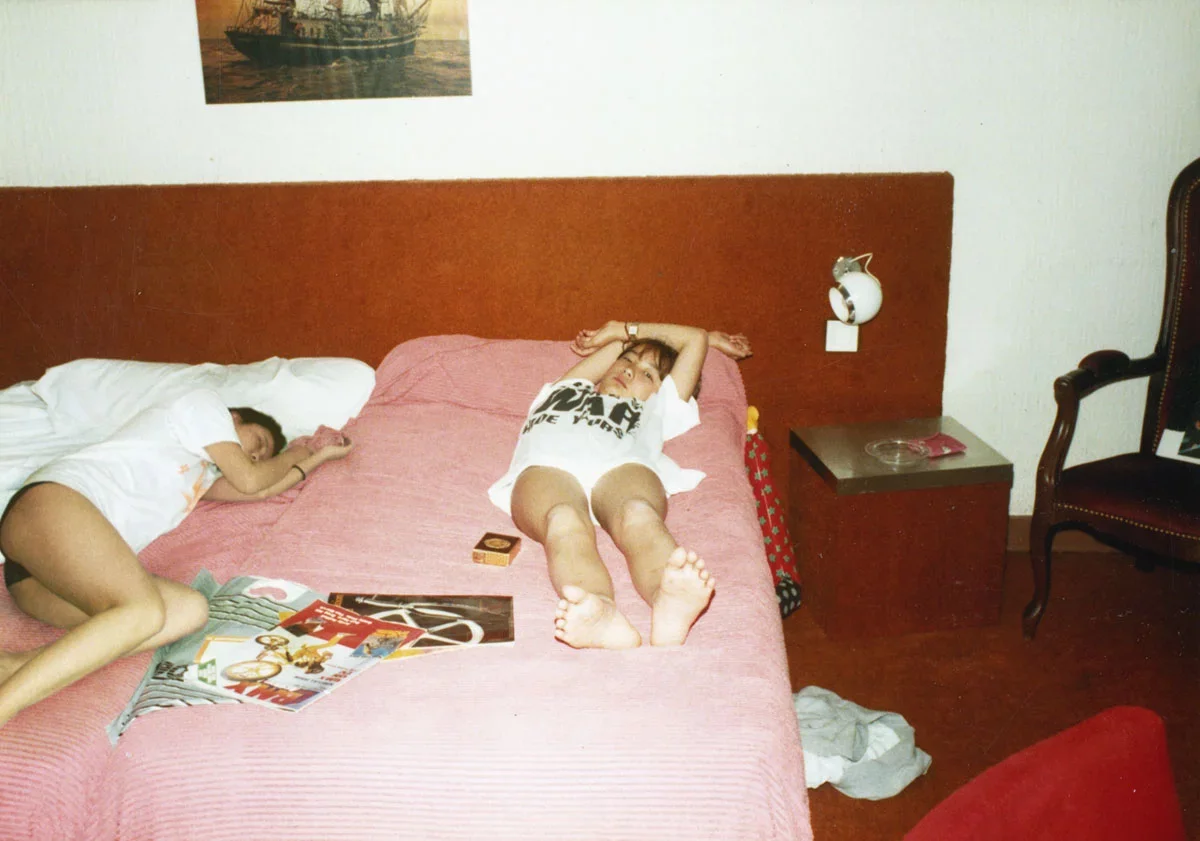
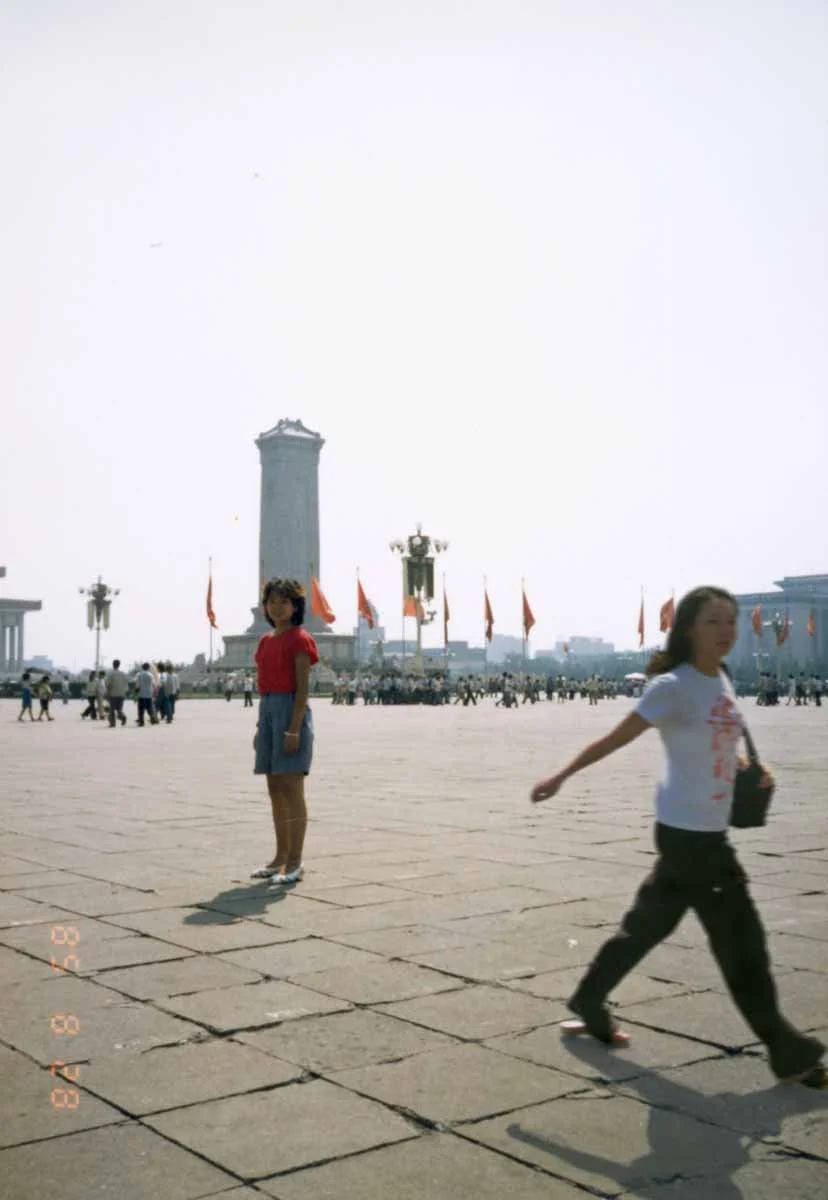
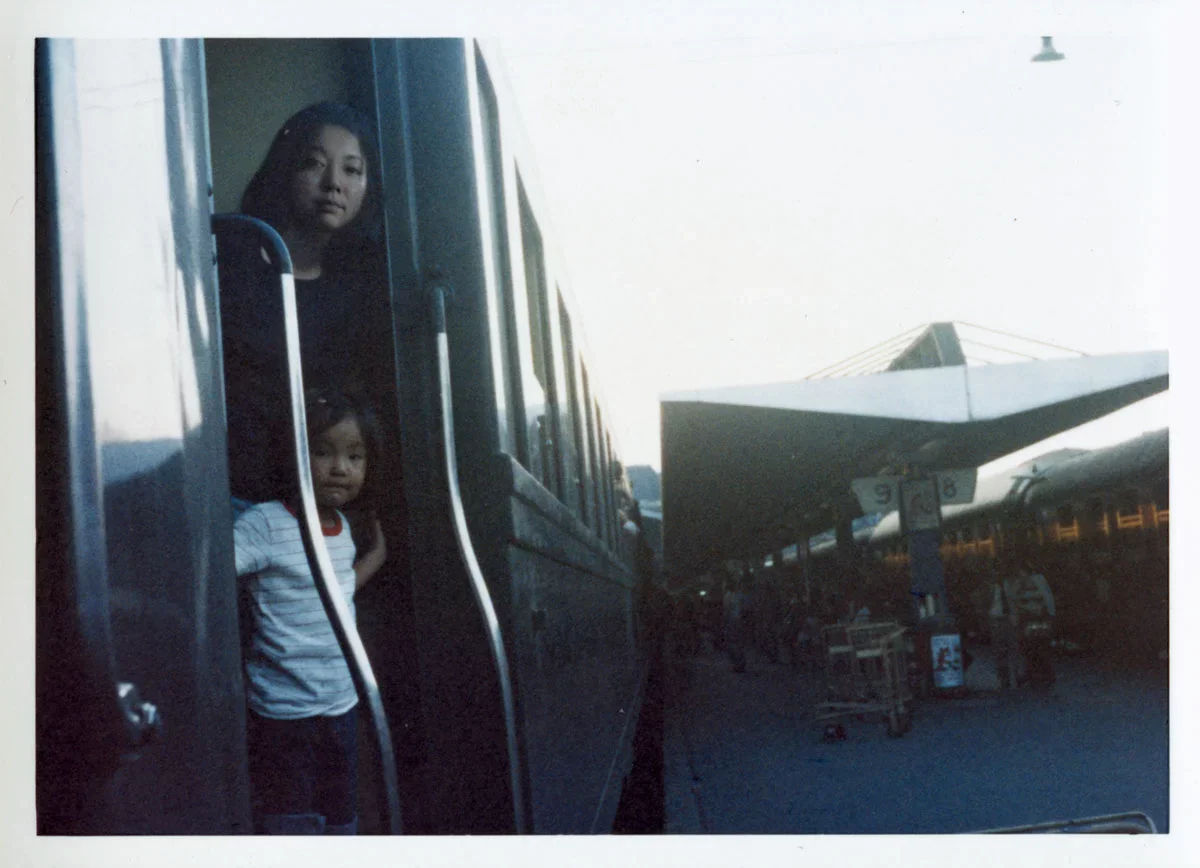
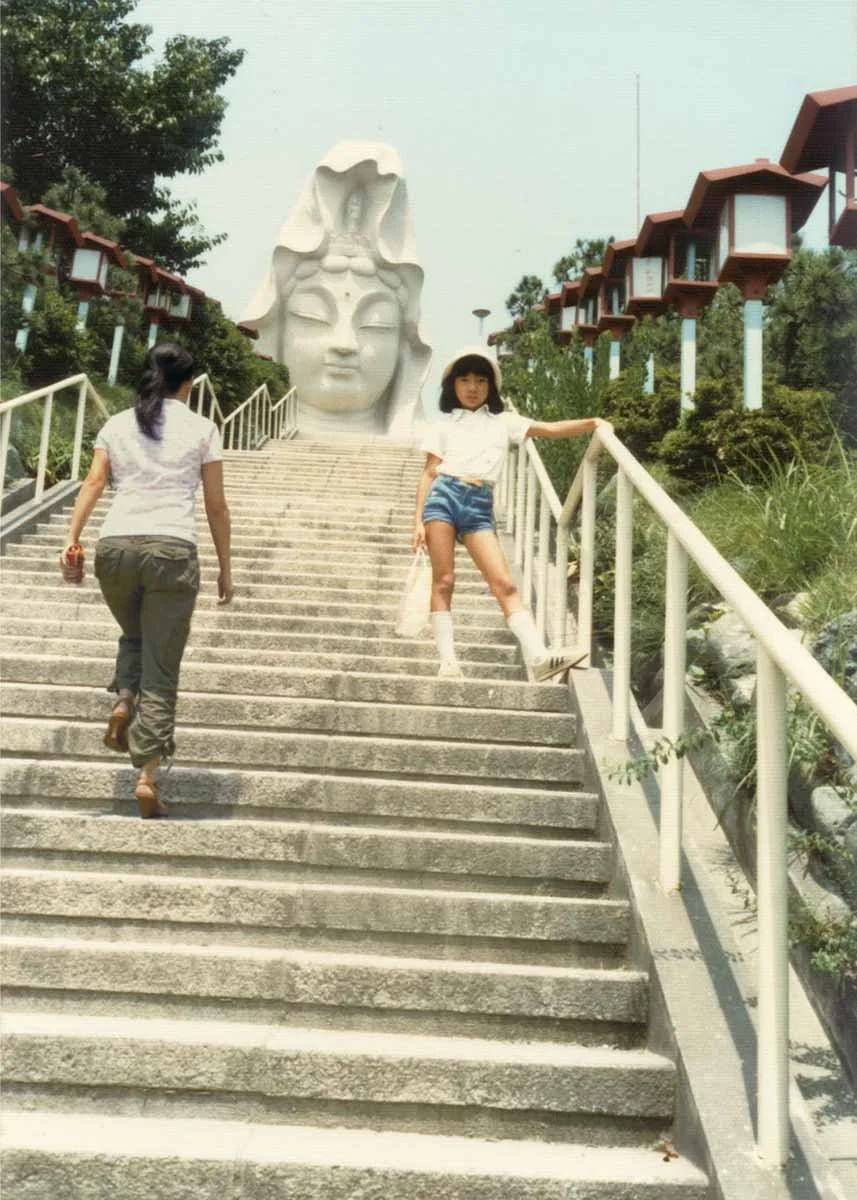
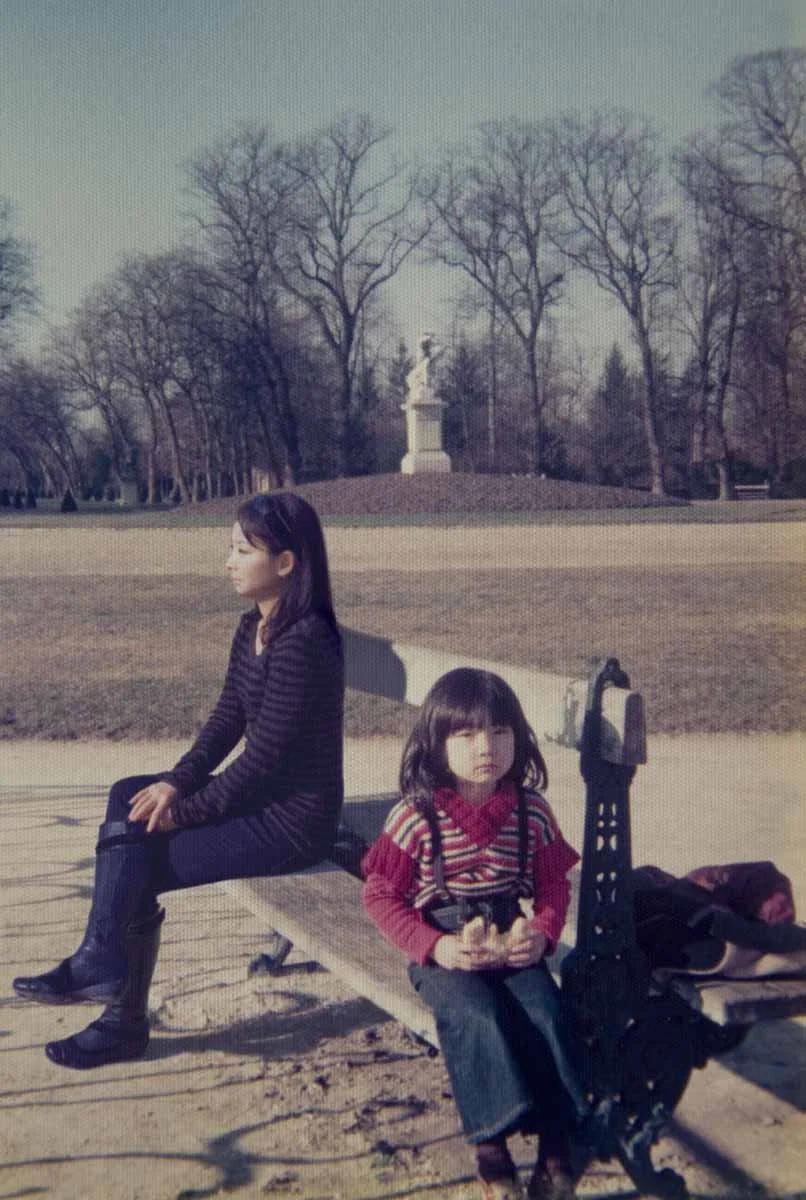
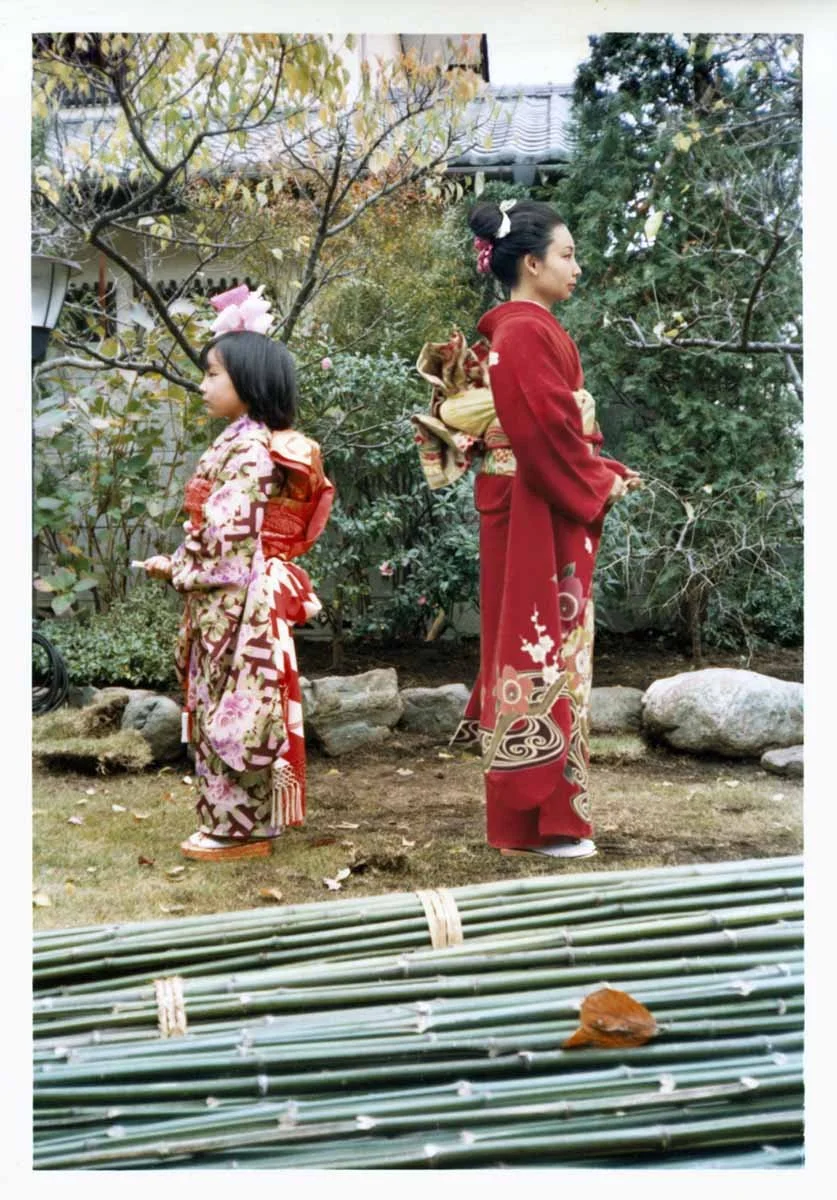
You don’t immediately notice what’s wrong in Chino Otsuka’s ‘Imagine Finding Me’ series. The collection of photos from her childhood looks like it has always existed that way. Family photos in Japan and memories from holidays in Paris, until you realise you aren’t looking at two sisters, but the same person, twice.
There’s a line Chino Otsuka wrote about the project that shifts how you read the entire series. She describes the process as a journey through memory, where she becomes “a tourist in my own history.” You might expect revisiting childhood images to feel familiar. Something close to home. But Otsuka approaches them from a distance.
Once you see it that way, the childhood images stop reading as nostalgic and begin to feel slightly invasive. Our family albums tend to function as small archives, holding a stable version of who we were. Otsuka opens that structure back up as she digitally inserts her present self into these images that were never meant to include her in that form. She creates what she has described as a “collaboration between my old selves and present selves.”
But collaboration suggests equality. These images don’t feel equal. The adult always knows more. That imbalance is where her work sharpens. The older version of Otsuka arrives carrying everything that followed: migration, distance, shifts in language, and a changing idea of home. Otsuka moved from Tokyo to the UK as a child, and that split runs all the way through the work without being stated directly.
Memory is unstable. Details shift each time you return to it. Otsuka does the opposite. She fixes herself back into these moments, placing her presence with precision. But that control comes with a cost. The more seamless her childhood photos become, the harder it is to locate what is real and what has been constructed. The image stops functioning as evidence and begins to behave more like fiction.
That’s where ‘Imagine Finding Me’ holds the most tension. It was never about meeting your younger self. It was about realizing that even that version of you is no longer fixed.
We had a chat with Otsuka to learn more about her vision behind exploring the past, and how memory is always on the move.
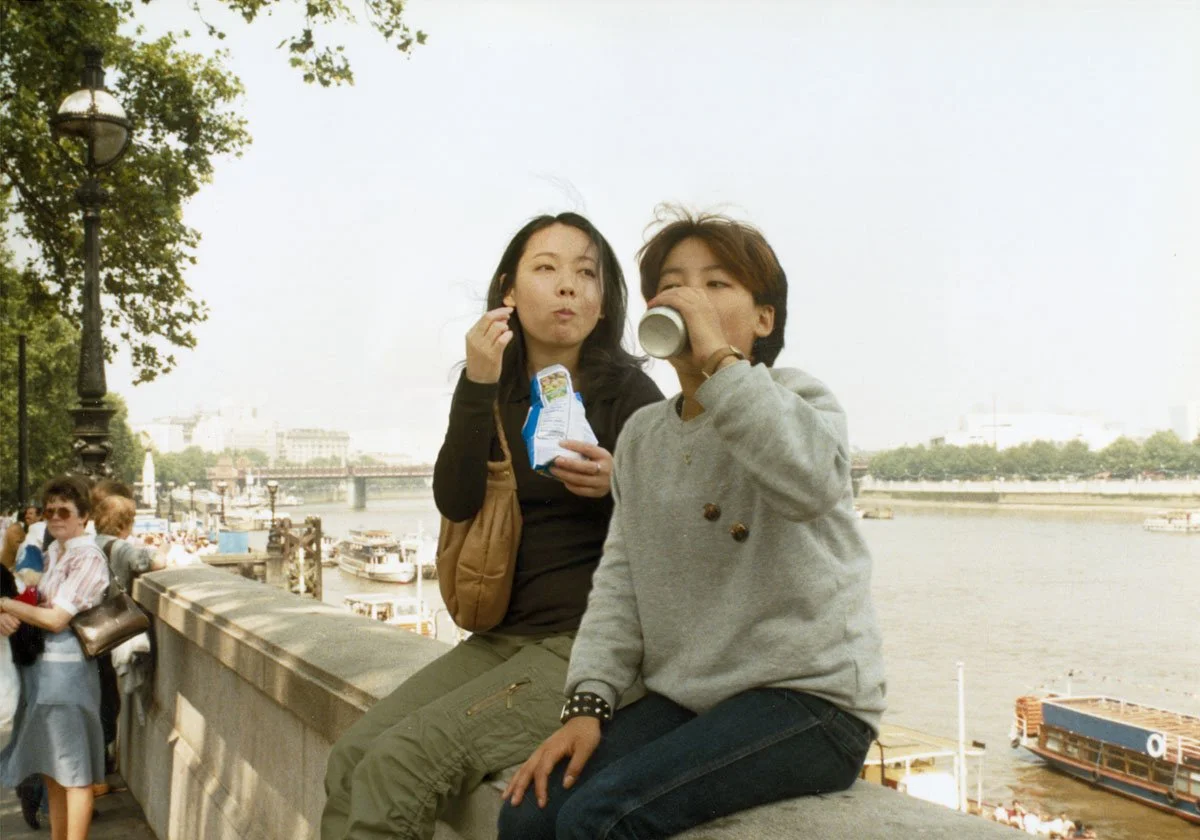
1986 and 2005, London, UK│© Chino Otsuka
What do memories mean to you, considering much of your work revolves around capturing them?
Memories play an important role in how I understand identity. Growing up as a third culture kid, I often felt that memory helped me to connect with my own history, develop a sense of belonging and question the meaning of home. Once a year, when I visited Japan, I loved looking through family albums, not only my own, but those of all other family members too.
And over time I became fascinated by the relationship between photography and memory. What interests me is that memory is never stable. It’s always in flux, changing as we change. In the same way the meaning of a photograph is never fixed, it is constantly being reshaped. That tension between what it seems permanent, and what remains fluid is central to my work.
You mention that you become a tourist while exploring your own memories. What makes the past feel like a foreign country rather than a homecoming?
The past feels like a foreign country to me because it is both familiar and unfamiliar. And becoming a tourist of my own history allowed me to create a certain distance and look at it again from the present.
Who was behind the camera taking the original childhood photographs?
Most of the original photos were taken by my parents, with a few taken by my grandparents.
These photos originally existed as private family photographs. At what point did they become public artworks for you?
The selection of the original photographs was a vital part of the process. I was careful not to choose typical snapshots, smiling with a peace sign, for example. To bring the viewer on this journey, I knew I had to select images with more ambiguous expressions and scenes that would feel more recognisable, as if they could exist in their own photo albums. For me, images needed to hold something personal, while also leave enough space for others to enter. Once the work was shared, the viewer began to have their own conversations with themselves through the work. It became a kind of trigger, and I like that.
As your work often wanders between memories, do you plan on revisiting or adding new work to ‘Imagine Finding Me’ at a later moment in your life?
new work to “Imagine Finding Me” at a later moment in your life? It would be fun to revisit the work again, perhaps when I’m in my 80’s. My work around memory is constantly evolving, and I’m currently working on several new projects, so watch this space!
Check out more of Chino Ōtsuka’s work at chino.co.uk
Digital Imaging by Nori Mizuguchi
Trending articles


Your favourite anime opening as an 8-bit calculator performance.