
Mei Semones - Writing Between Languages
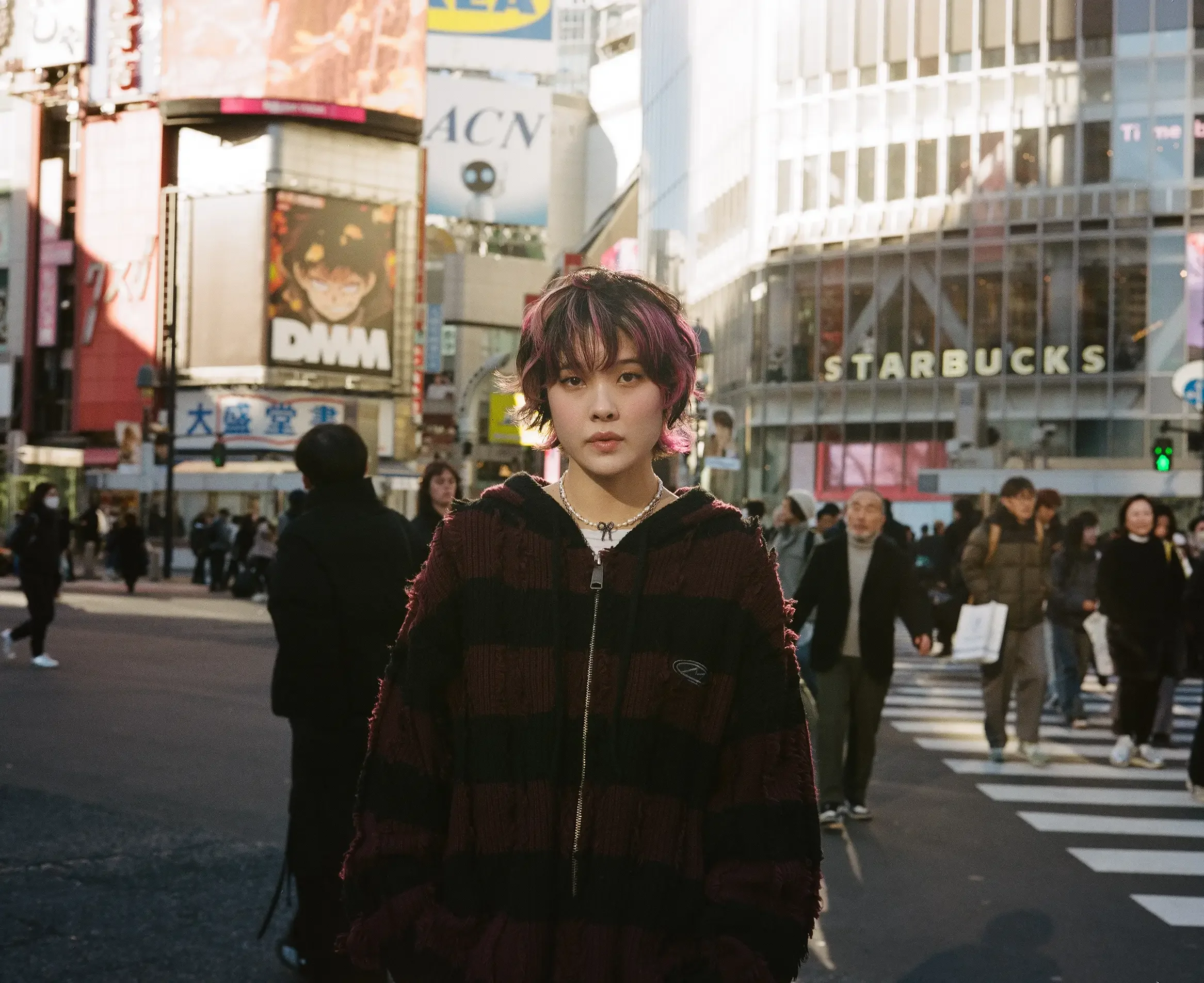
Mei Semones│© Johnny Nghiem
Through a mix of jazz-informed guitar work, soft-spoken vocals, and bilingual songwriting that floats between English and Japanese, Mei Semones has built a sound that’s entirely her own. A sound with an admirable range for all the right reasons. One moment her music carries the gentle bossa touch of an Astrud Gilberto verse, the next you’re pulled into an indie-rock world not far from Kinokoteikoku, and all of that in the same song. Yet somehow, Mei manages to keep all of these elements existing within the same universe.
Raised between cultures and shaped by years of musical study, Mei had been on our radar for some time. With her Japan tour just behind her, we took the opportunity to sit down for a quick chat.
You’ve come a long way since the release of Tsukino 4 years ago. What do you feel has changed for you during these years?
I have been able to focus more on music which makes me really happy. I feel really lucky that playing guitar and traveling around the world to play shows has become my job, it’s a dream come true!
Your early jazz influences came from the classic lineage - Parker, Coltrane, and others. What did jazz teach you that still lives in your songwriting today?
My songwriting is inspired a lot by harmonic and melodic ideas that have come from learning tunes, transcribing solos and voicings, etc. I will continue studying this as best I can for the rest of my life so I think it will inspire my songwriting for as long as I live!
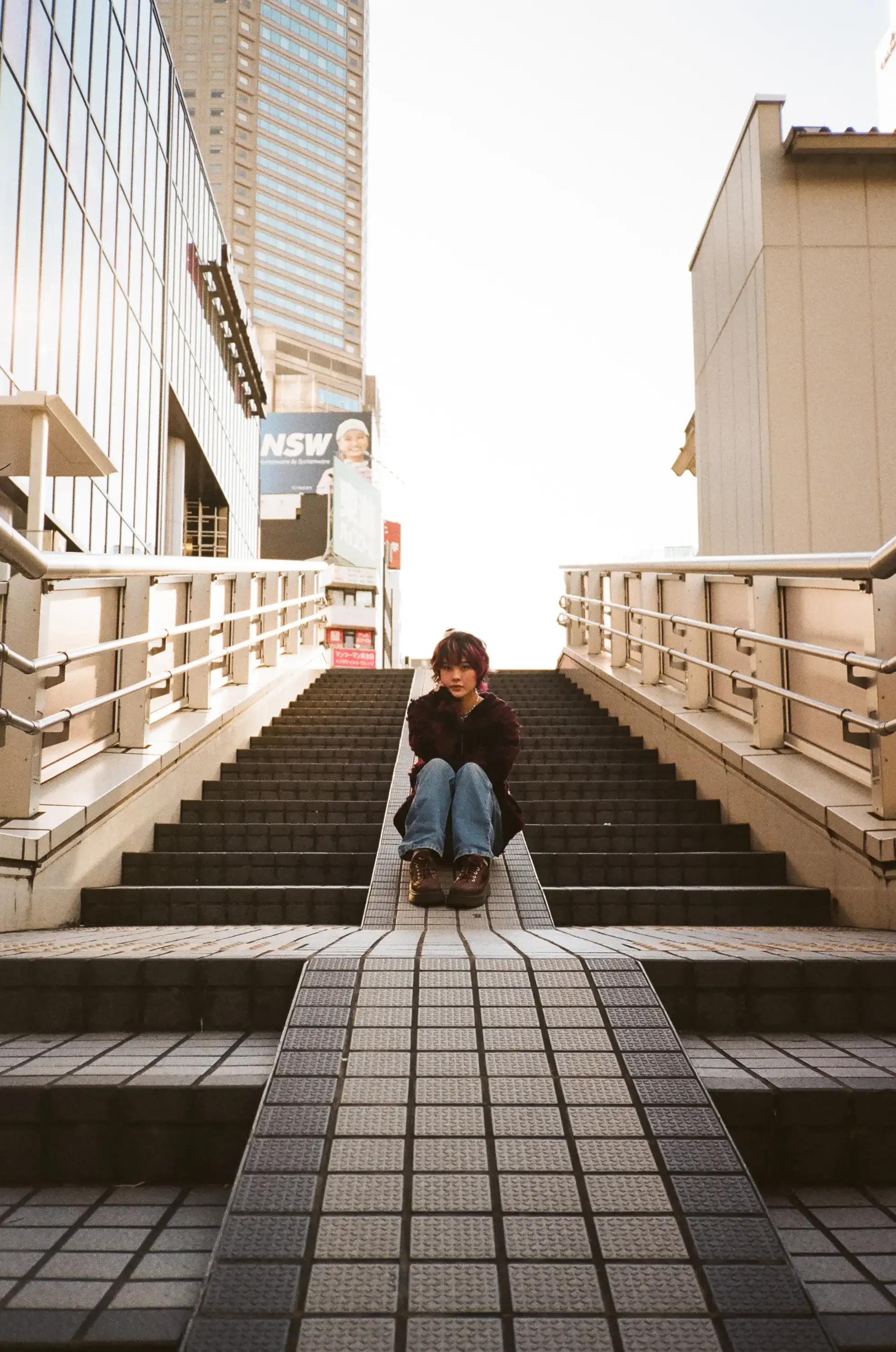
Mei Semones│© Johnny Nghiem
While songwriting, do you often encounter emotions that simply feel impossible to express in one language, but natural in the other?
I think certain thoughts / feelings fit better in one language depending on where they’re coming from. For example, if I’m writing about a memory from Japan it might feel more natural to write about it in Japanese. Ultimately I just go with whatever feels natural and pops into my head as I’m writing!
Your mom creates much of your artwork, how does it feel sharing your creative world with her?
I am very grateful that my mom is willing to work on the artwork for my music. She is one of the people in this world who knows me the best, and I think that is reflected in the artwork she creates!
You’ve toured extensively in both the US and Japan. Do you feel a big difference between the two scenes, and in how audiences respond to your music?
I find that in general Japanese audiences are quieter, but not in a negative way. It feels like it’s because they are listening very intently. US audiences tend to be a little louder and will sing along to the songs more. I love both!
Has your relationship with Japan changed as you’ve grown older - especially now that you return there as an artist rather than a kid visiting family?
I think when I was a child visiting Japan I was mostly just spending time with family and going to places with my mom. Now I come here more by myself and for work, so it feels like I have gotten to know it better in my own way, and I’ve been able to explore more and make new connections.
Your band setup is very unique in the sense that it feels closer to chamber music than an indie band. When did you realize this would be your setup and sound?
I met Noah (our viola player) during freshman year of college in the Berklee dorm. He recorded and produced the first song I released, ‘Hfoas’. I had no intention of having strings on the song, but he suggested adding a string arrangement, and I trusted him and wanted to hear what it would sound like! It ended up being so beautiful and from then on I felt that strings fit well with my songwriting, and wanted to continue having them as part of my music.
When songwriting, do you consciously leave space for your band members or does that come together later?
When writing the songs, I don’t think about leaving space for my band members. For me the most important thing is that the song stands on its own (just me and the guitar) before anything else. The arrangement with the band comes after, once the song itself is complete.
At this point in your journey, what feels most important to protect as an artist?
What’s important to me is to meaningfully support my band and team members with the music we’re creating.
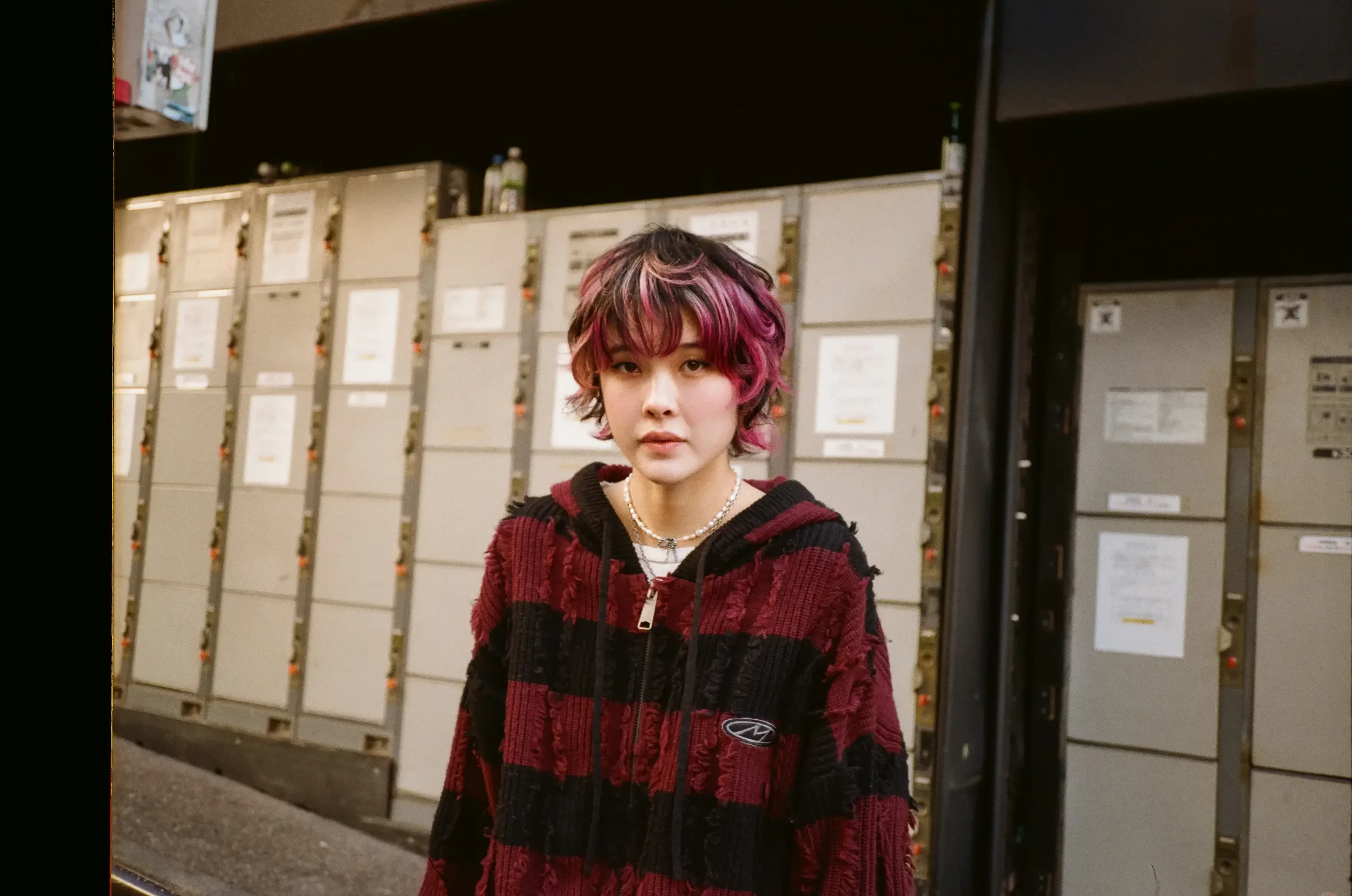
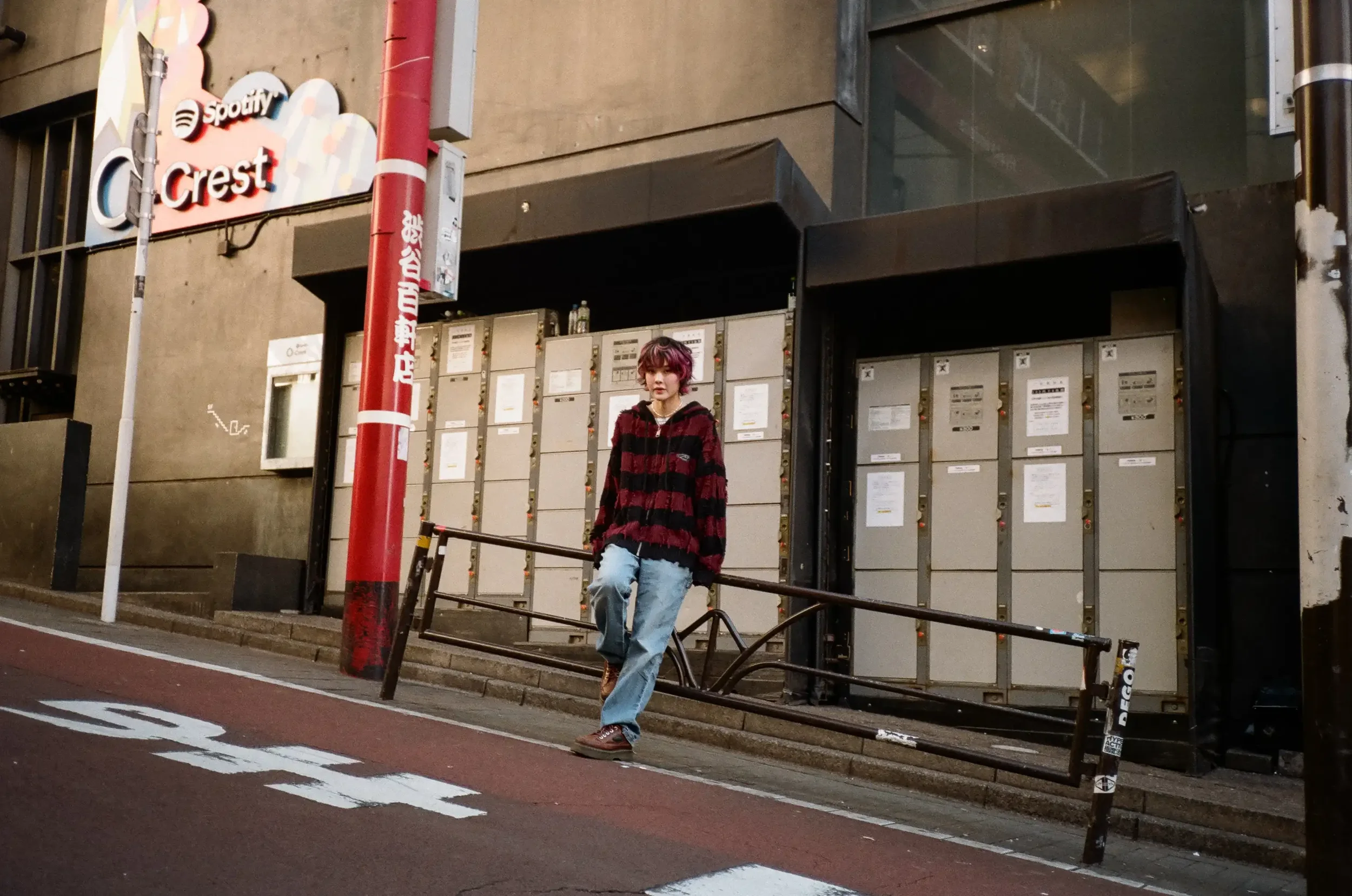
With Mei, there’s no sense of rush. No pressure to be louder, bigger, or faster. Her music, her team, her career, all of it seems to move at its own pace. In the end, everything still begins the same way it always has: alone, with her guitar.
Make sure to follow Mei’s journey on
Trending Articles




SEVESKIG embraces the Wired world of lain.