
Girl’s Room Diary - The Soft Architecture of Japanese Internet Girlhood
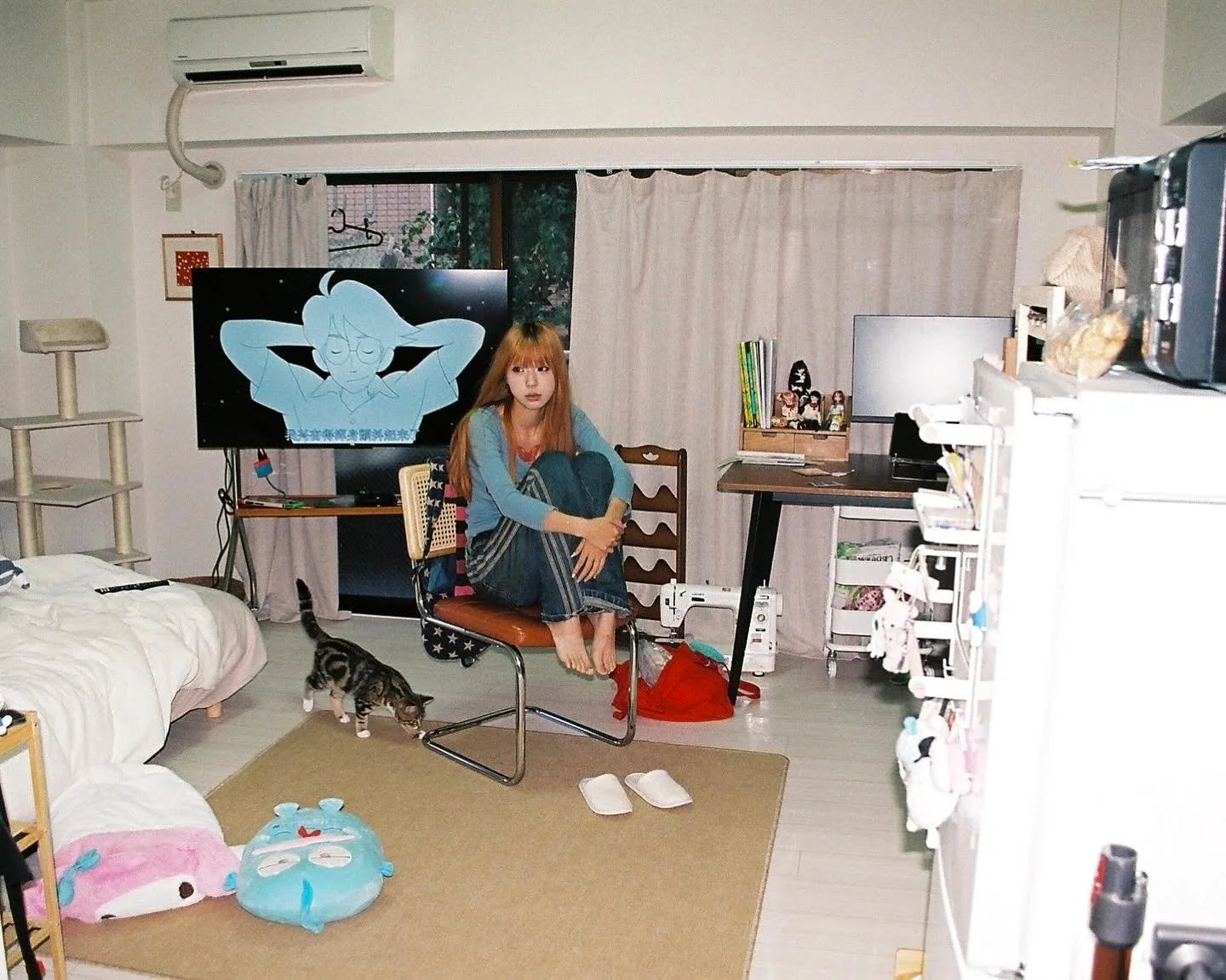
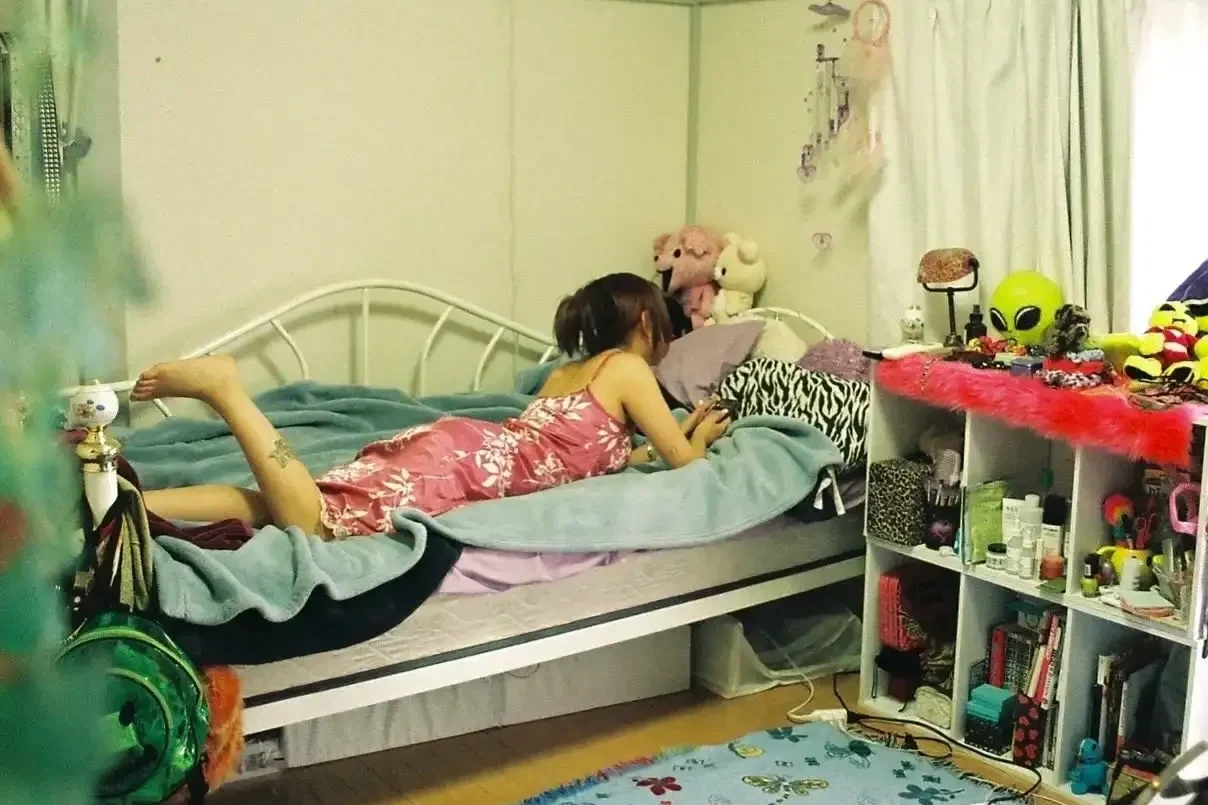
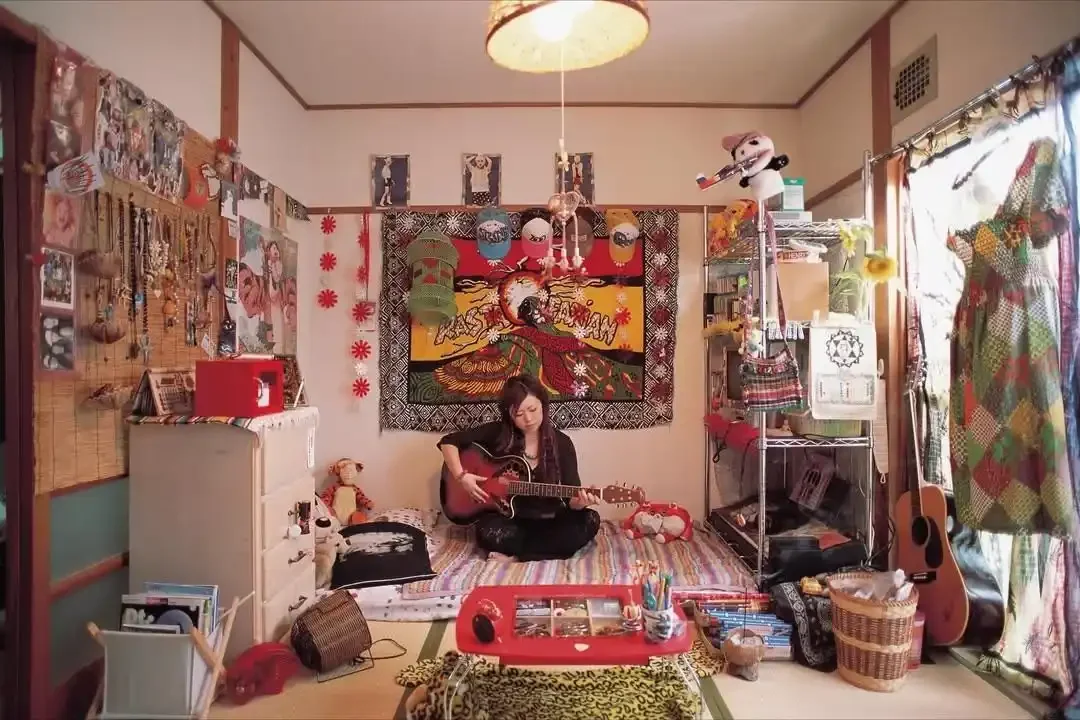
Girls Room Diary│© Hana Shimodate
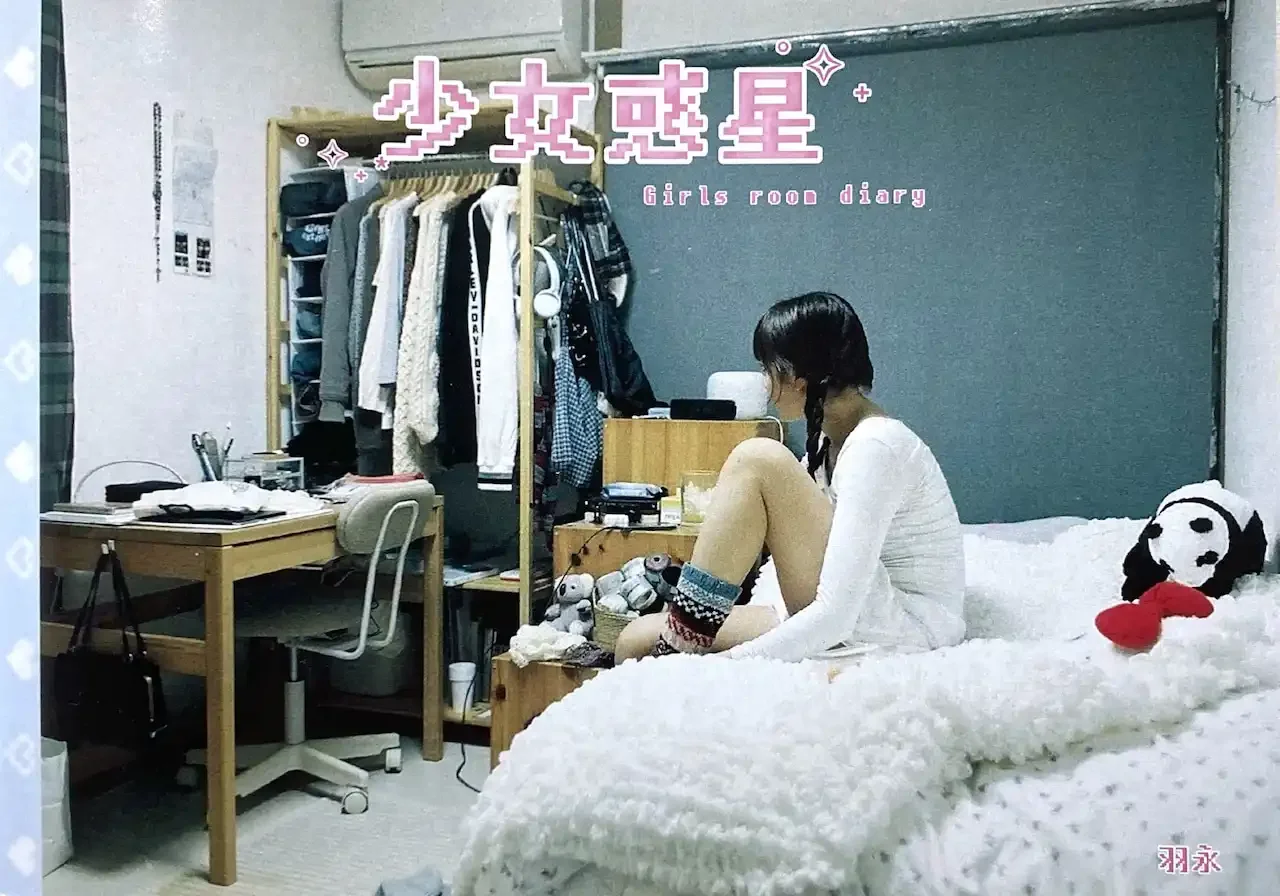
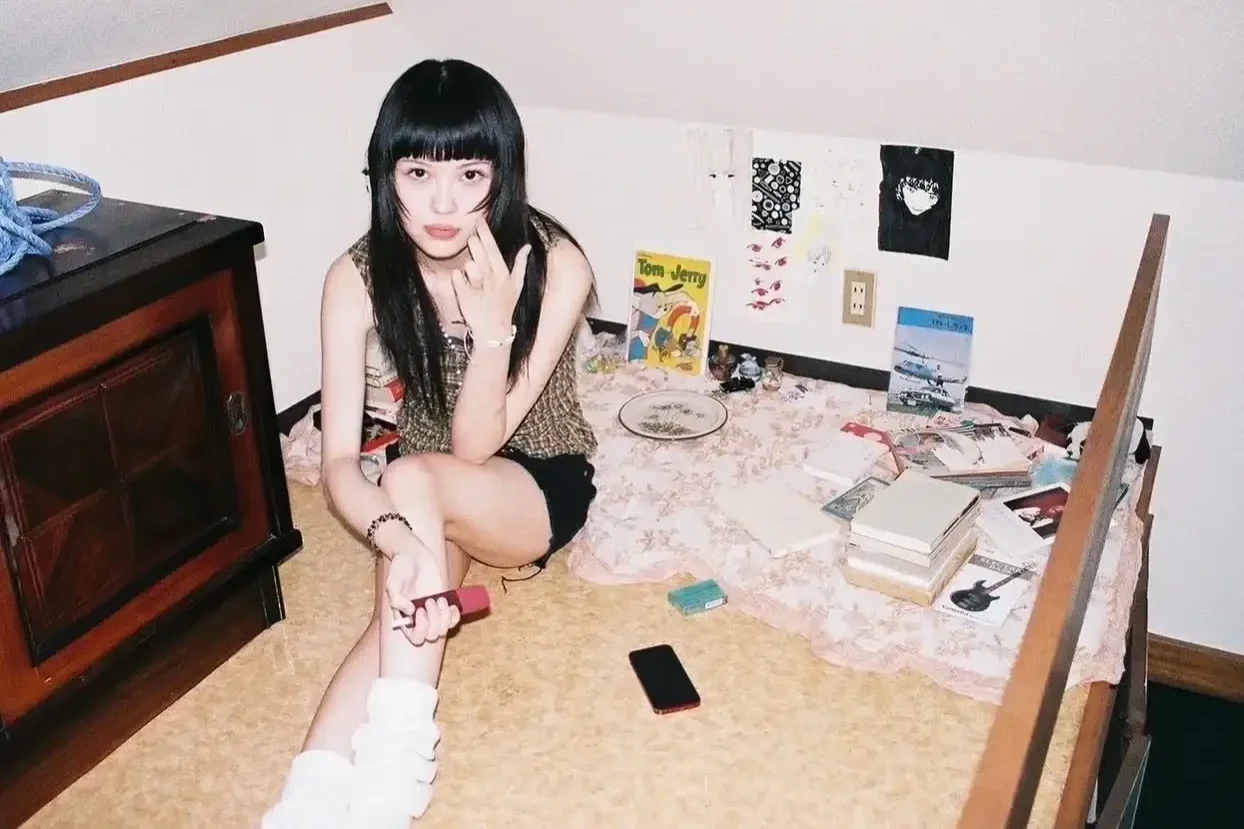
At first glance, Hana Shimodate’s (@hannaaa.1005) Girl’s Room Diary feels almost suspiciously simple. A collection of bedrooms captured by a young Japanese photographer documenting girls from her own generation. But somewhere between the stuffed animals and lace curtains, Hana’s project taps into something deeply tied to Japanese girl culture. The book’s original title, 少女惑星 (“Girl Planet”), explains the work better than its English counterpart ever could.
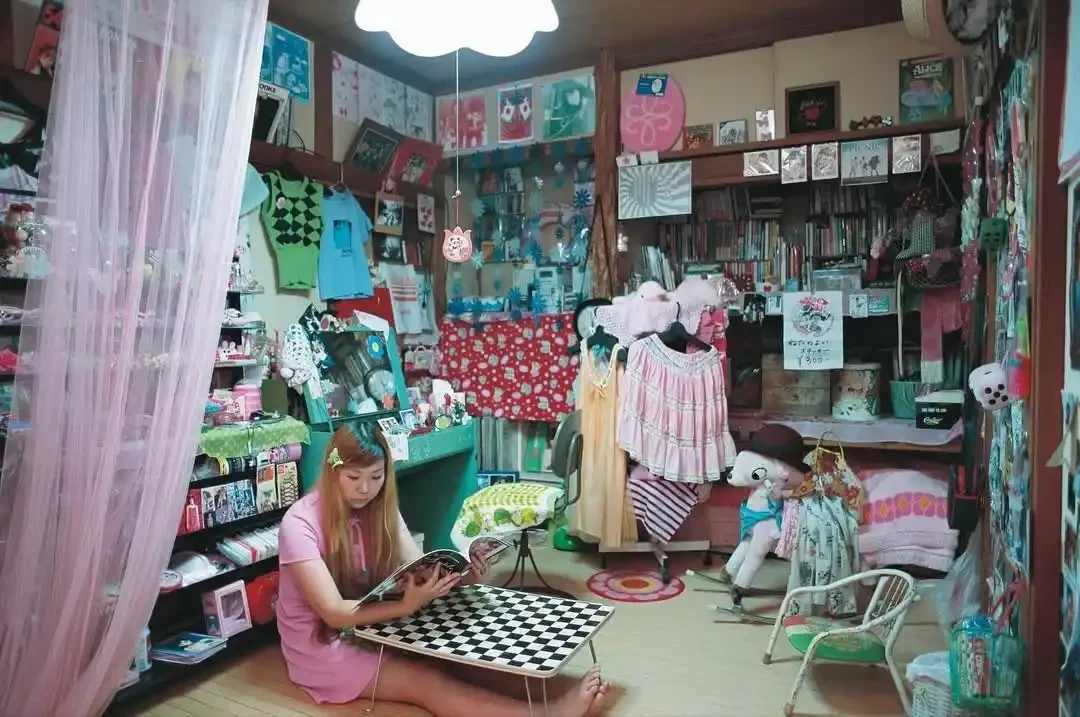
In Japan, the bedroom has carried strange cultural weight for decades, especially within shojo culture. Long before YouTube room tours and TikTok aesthetics, the private room already functioned as an extension of the self.
Manga artists, idol magazines, and photographers repeatedly treated feminine interiors as emotional maps, spaces where identity could be rehearsed, hidden, or reinvented away from public life.
Hana inherits that lineage, but filters it through a generation raised online. That’s what makes ‘Girl’s Room Diary’ feel so specific. These rooms belong to girls who grew up instinctively understanding that their surroundings would eventually become visible.
The visual language inside ‘Girl’s Room Diary’ no longer feels exclusively Japanese. Hana started developing a second international edition of the project, which makes perfect sense. The aesthetics documented here have already spread globally through Instagram, Tumblr residue, TikTok, Pinterest, and every corner of internet girl culture shaped by Japanese visual influence.
In a lot of ways, Japanese internet girlhood stopped being geographically Japanese years ago. Everyone online is building their own little planet eventually.
Trending articles

Inside the culture and friendship behind Matthew Ballard’s HIGH RECEIPTS.