
Tracing the Radical Corners of Asian Film
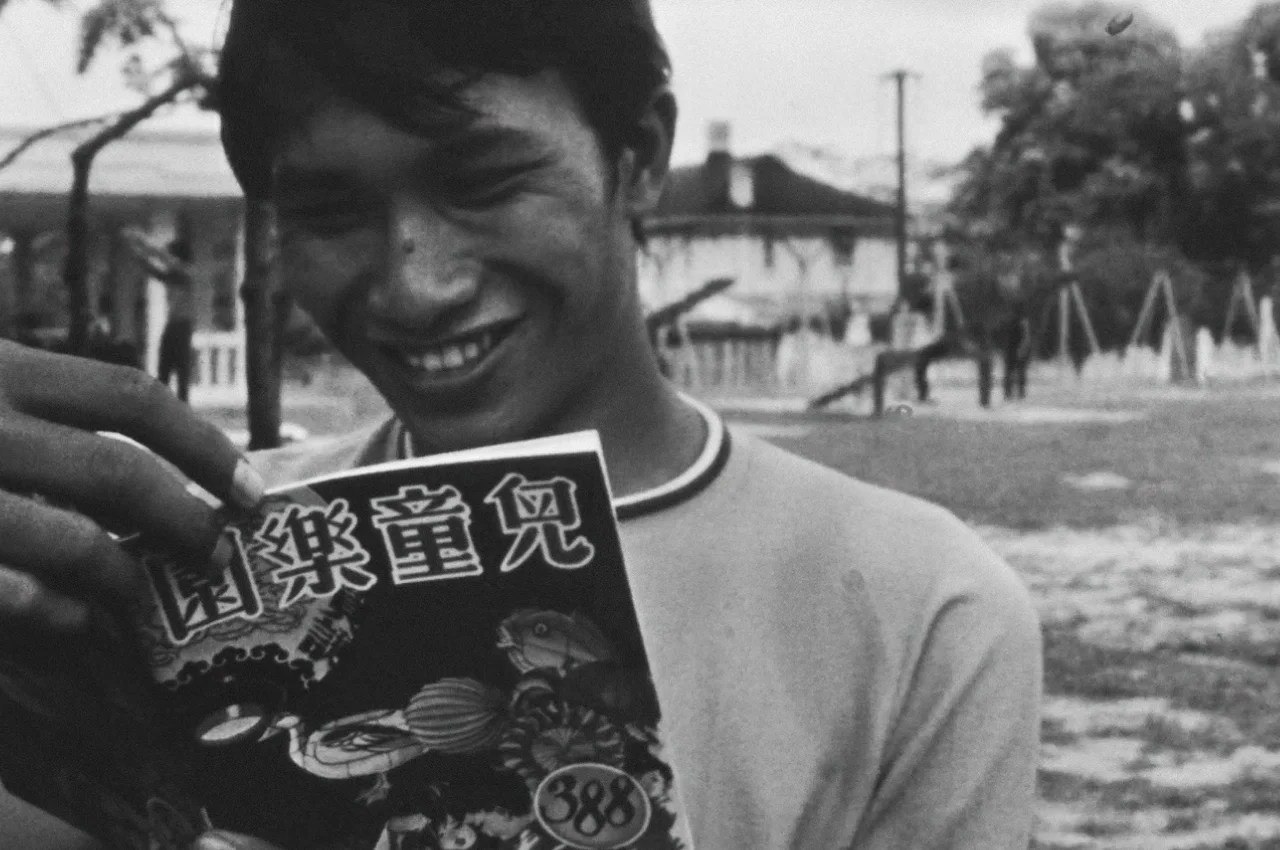
Dead Knot (1969) — Sek Kei
Yokogao has always orbited the stranger edges of Japanese cinema. From Hideaki Anno’s Love & Pop portraying the struggles of Japanese late-90s youth, back to the radical experiments that came out of the Art Theatre Guild era, when filmmakers like Shuji Terayama and Toshio Matsumoto were pushing Japanese film into less predictable territory.
You spend enough hours in this world and the borders start to blur. Japanese cinema rarely exists in isolation. Its filmmakers, actors, and influences have long been part of a wider circulation that connects Tokyo to Hong Kong, Taipei, Bangkok, and beyond.
The first name that comes to mind to illustrate this crossover is none other than Takeshi Kaneshiro. Born in Taipei to a Japanese mother, Kaneshiro became one of the defining faces of 1990s Asian cinema through Wong Kar-wai’s Chungking Express and Fallen Angels.
Follow that thread and the map of Asian cinema quickly expands. The hypnotic dream logic of Thai filmmaker Apichatpong Weerasethakul, the slow-burning minimalism of Malaysian-born Taiwanese filmmaker Tsai Ming-liang, or the sharp independent voices emerging from China’s underground film scene all belong to a parallel history of filmmaking.
It’s within that landscape that MUBI introduces its new Between Tides: Asian Avant-Garde collection. Presented in partnership with CHANEL Culture Fund and Hong Kong’s M+ Museum, the collection gathers films that span decades of experimental filmmaking across Asia, from the radical works that emerged in the 1960s and 70s to contemporary directors continuing to push the form today.
One of its earliest touchpoints arrives with Kidlat Tahimik’s Perfumed Nightmare (1977), a film that feels almost impossible to categorize even today. Shot on a minimal budget and assembled from documentary fragments and staged scenes, Tahimik’s film follows a jeepney driver from a rural Filipino village whose fascination with the American space program eventually leads him to Europe, and to a gradual disillusionment with the Western modernity he once admired.
Tahimik didn’t only produce, direct, and edit the film, he also starred in it himself, turning what could have been a modest travelogue into something more personal: a playful but pointed meditation on colonial imagination.

Perfumed Nightmare (1977) — Kidlat Tahimik
Nearly four decades later, Apichatpong Weerasethakul’s Cemetery of Splendour sits at another end of the collection’s timeline. The Thai filmmaker has long been one of the most distinctive voices in contemporary cinema, known for films where memory, folklore, and everyday life drift together almost imperceptibly. In Cemetery of Splendour, a group of soldiers suffering from a mysterious sleeping illness are cared for in a temporary clinic built inside an abandoned school, a premise that gradually turns stranger.
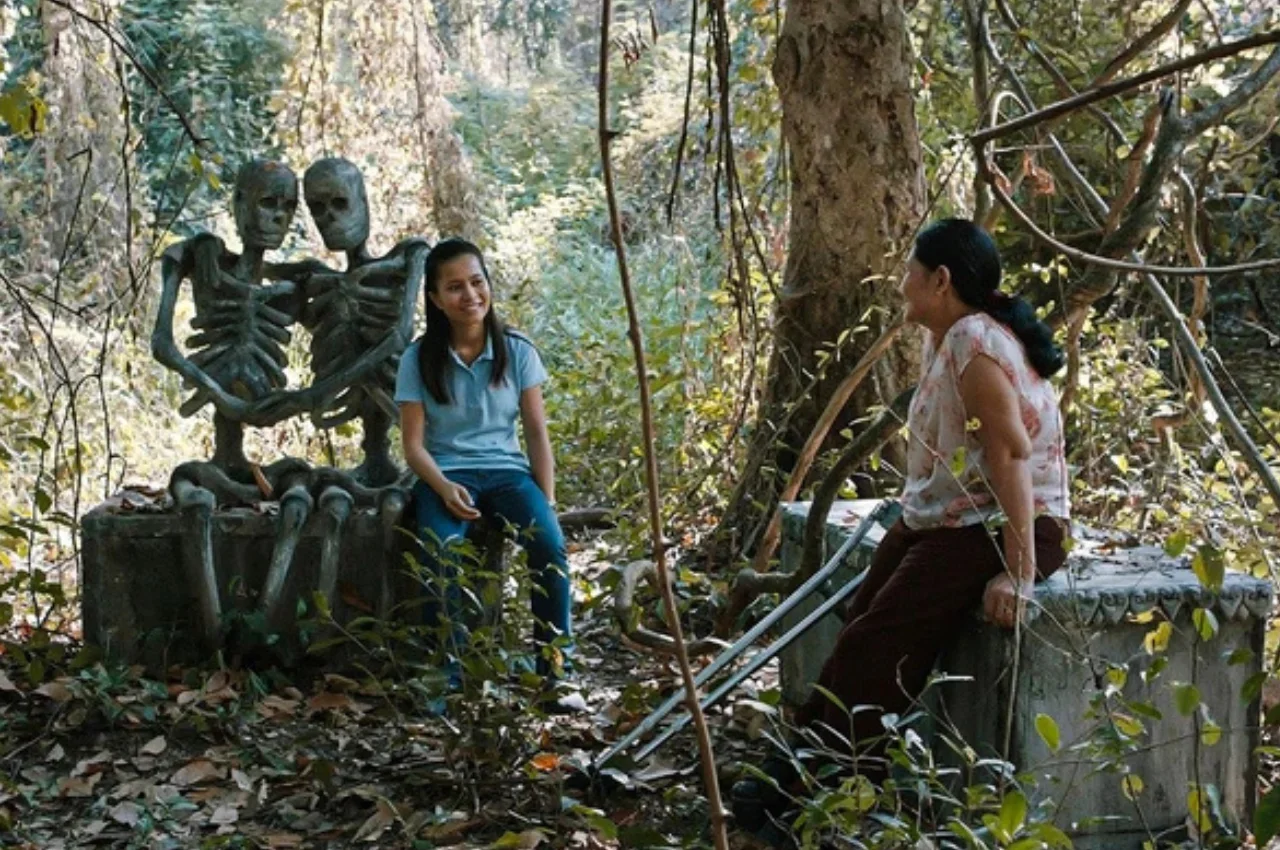
Cemetery of Splendour (2015) — Apichatpong Weerasethakul
Minh Quý Truong’s Viet and Nam is one of the most recent films in the collection. You’ll find yourself inside the near-darkness of Vietnam’s coal mines, as two young miners navigate intimacy and uncertainty. The dark underground spaces become an extension of the film’s deeper preoccupations with memory and the invisible histories buried beneath the ground.
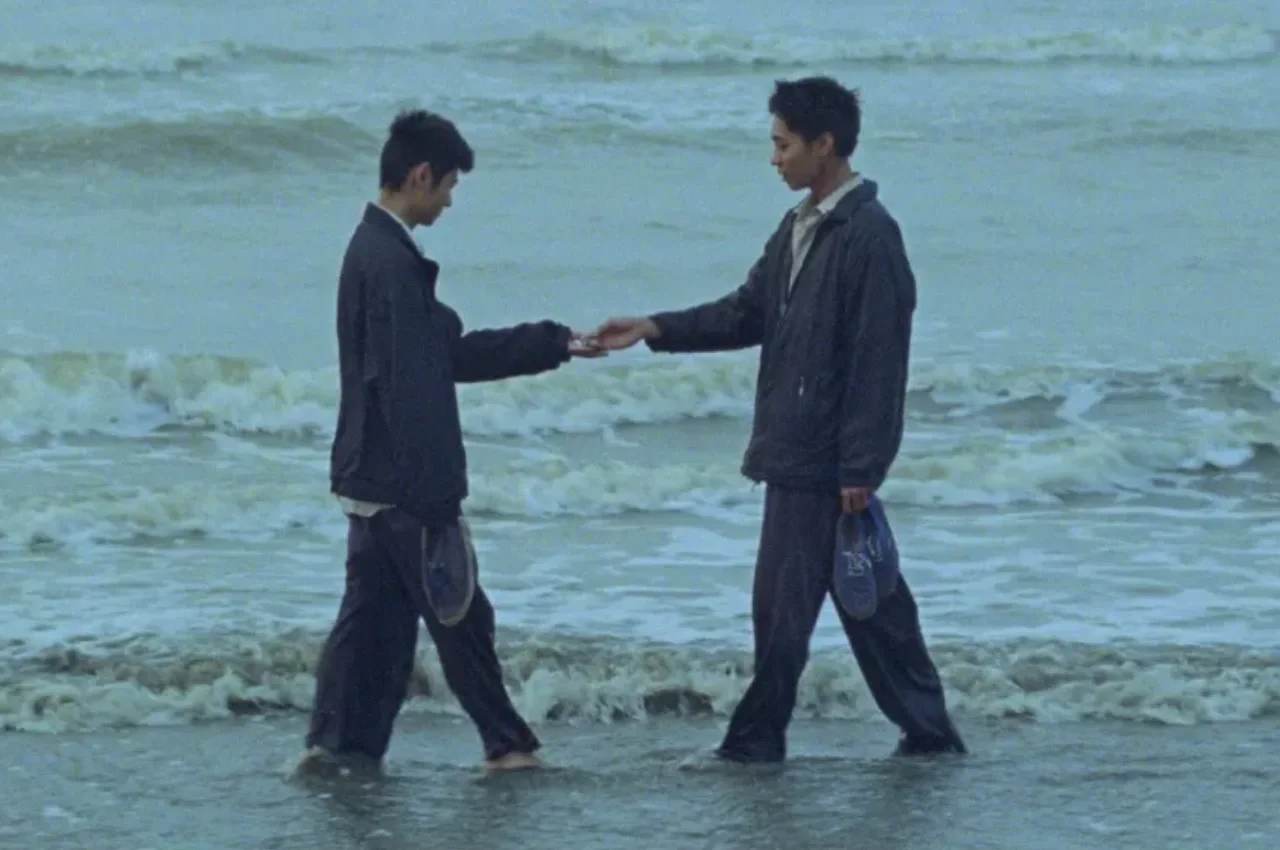
Viet and Nam (2024) — Minh Quý Truong
Dive deeper into the collection, and the range becomes even clearer. Liu Jiayin’s Oxhide compresses family life into the cramped interior of a Beijing apartment, while P.S. Vinothraj’s Pebbles strips the story down to the harsh landscape of rural Tamil Nadu. Indonesian artist Riar Rizaldi’s Tellurian Drama moves in yet another direction, exploring the strange intersection of colonial history and the politics of extraction.
Taken together, these films trace a radical history of Asian cinema unfolding far from the familiar landmarks of the region’s film industries.
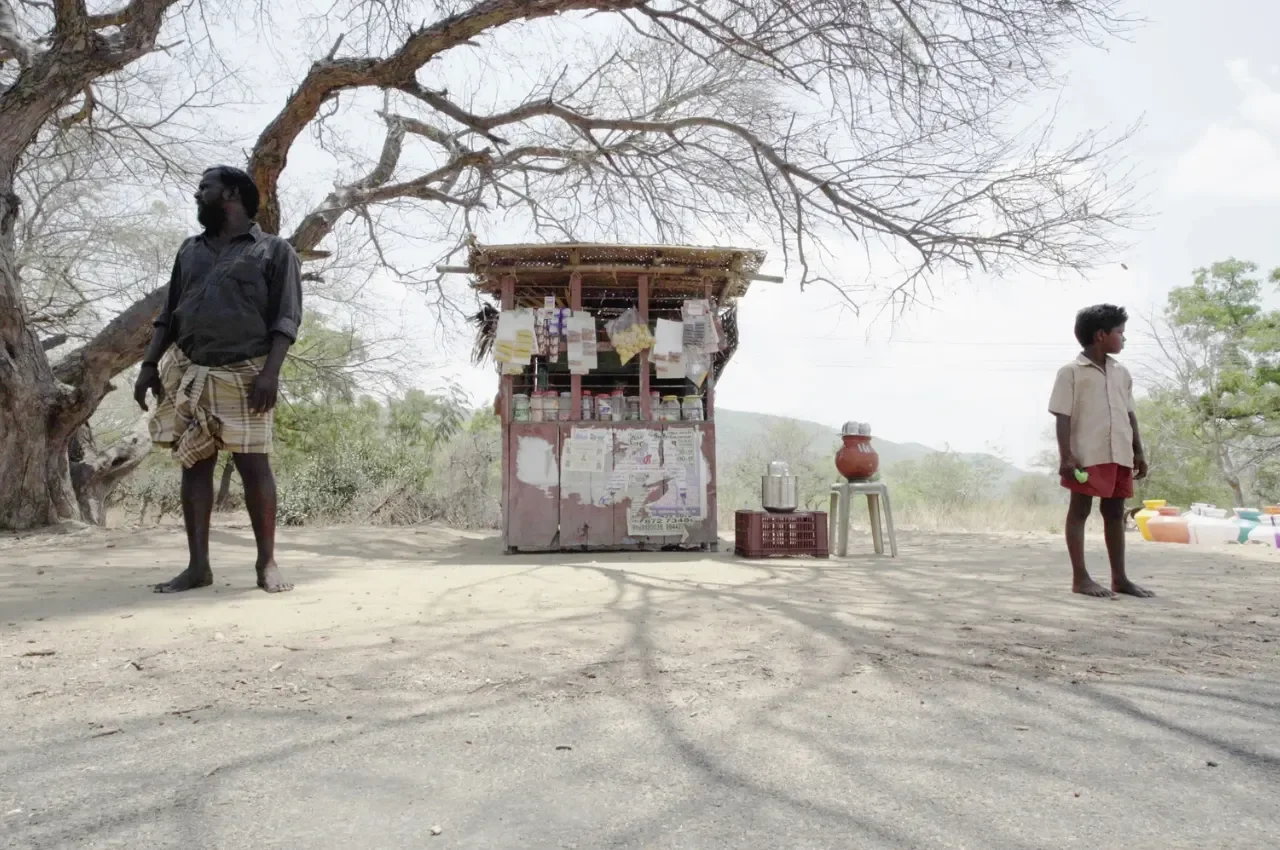
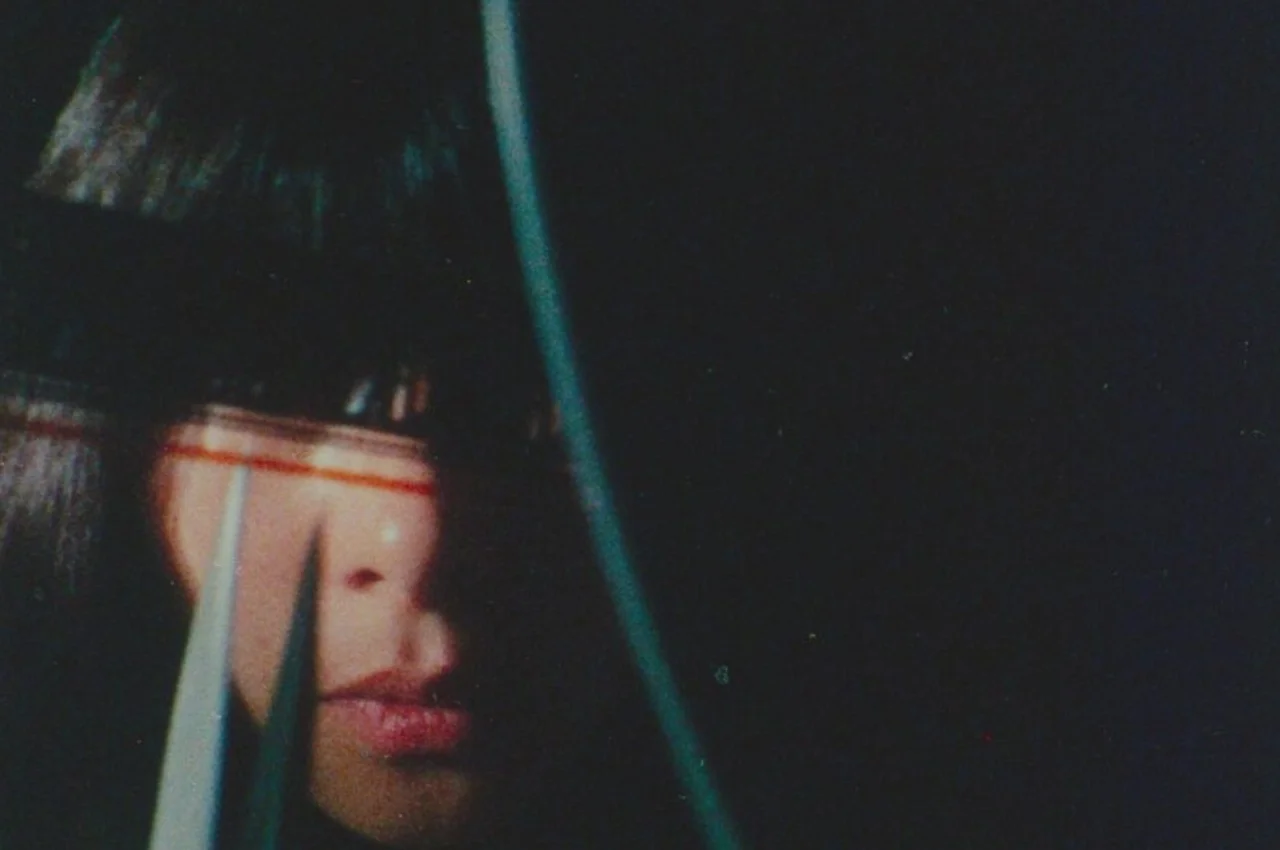
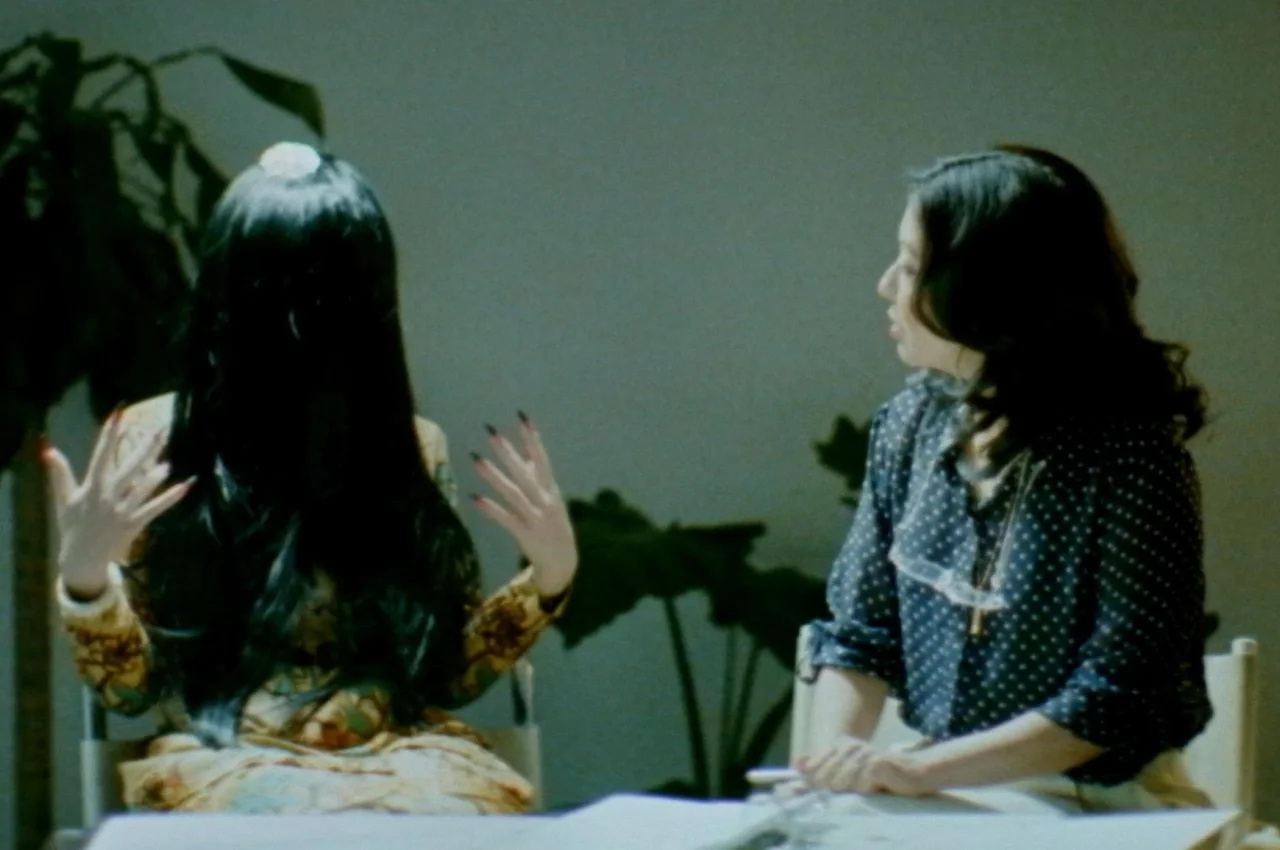

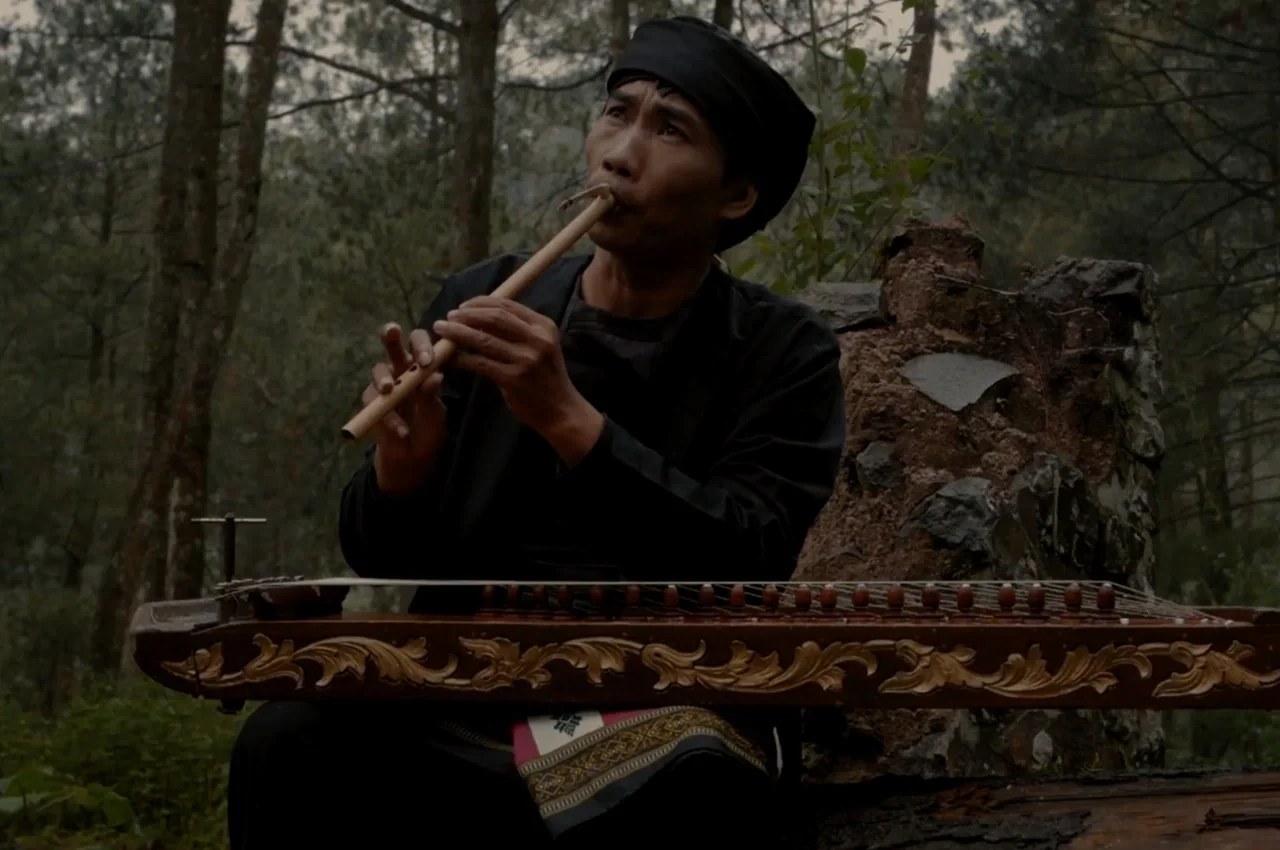
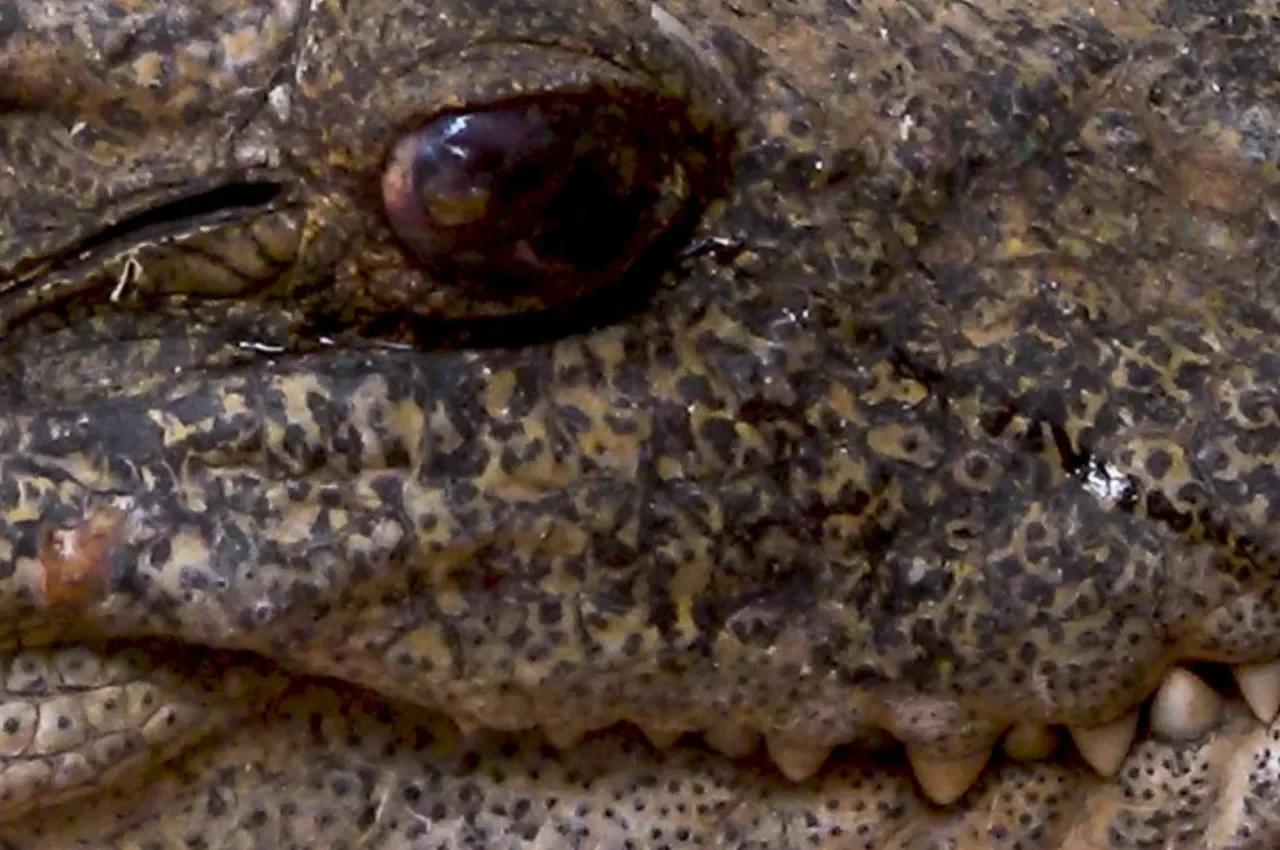
MUBI’s Between Tides: Asian Avant-Garde film collection includes:
Dead Knot (1969) — Sek Kei
Untitled 77-A (1977) — Han Ok-hee
Perfumed Nightmare (1977) — Kidlat Tahimik
Oxhide (2005) — Liu Jiayin
Cemetery of Splendour (2015) — Apichatpong Weerasethakul
Pebbles (2021) — Vinothraj P.S.
Tellurian Drama (2020) — Riar Rizaldi
An Asian Ghost Story (2023) — Bo Wang
Notes of a Crocodile (2024) — Daphne Xu
Viet and Nam (2024) — Minh Quý Truong
Stream the full film collection on MUBI globally.
Yokogao readers can get 30 days free at mubi.com/yokogaomag
Trending articles





The Weeknd taps into his love for Tokyo.