
Inside the Foam Creations of Yuri Sugiura
© Yuri Sugiura
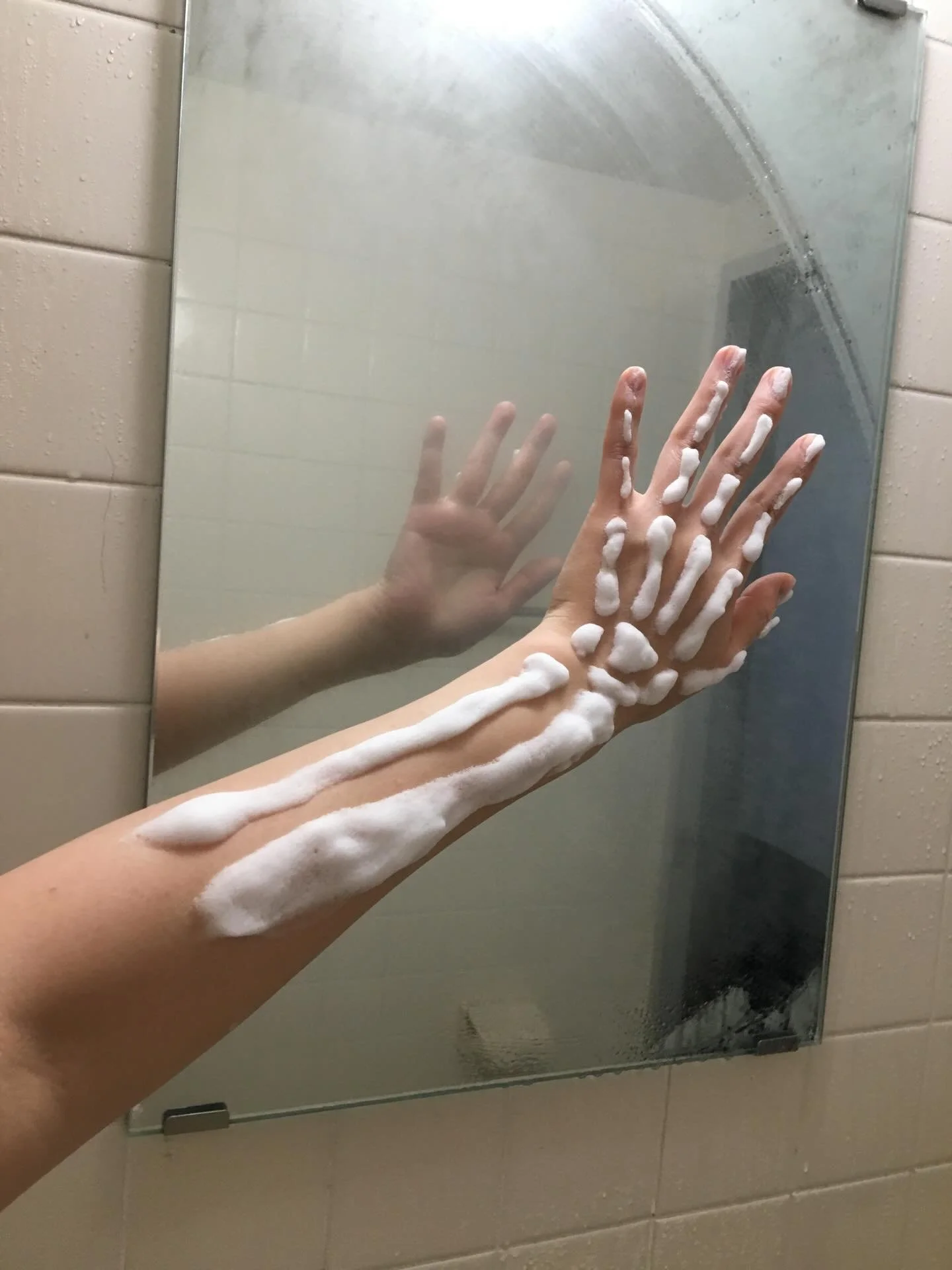
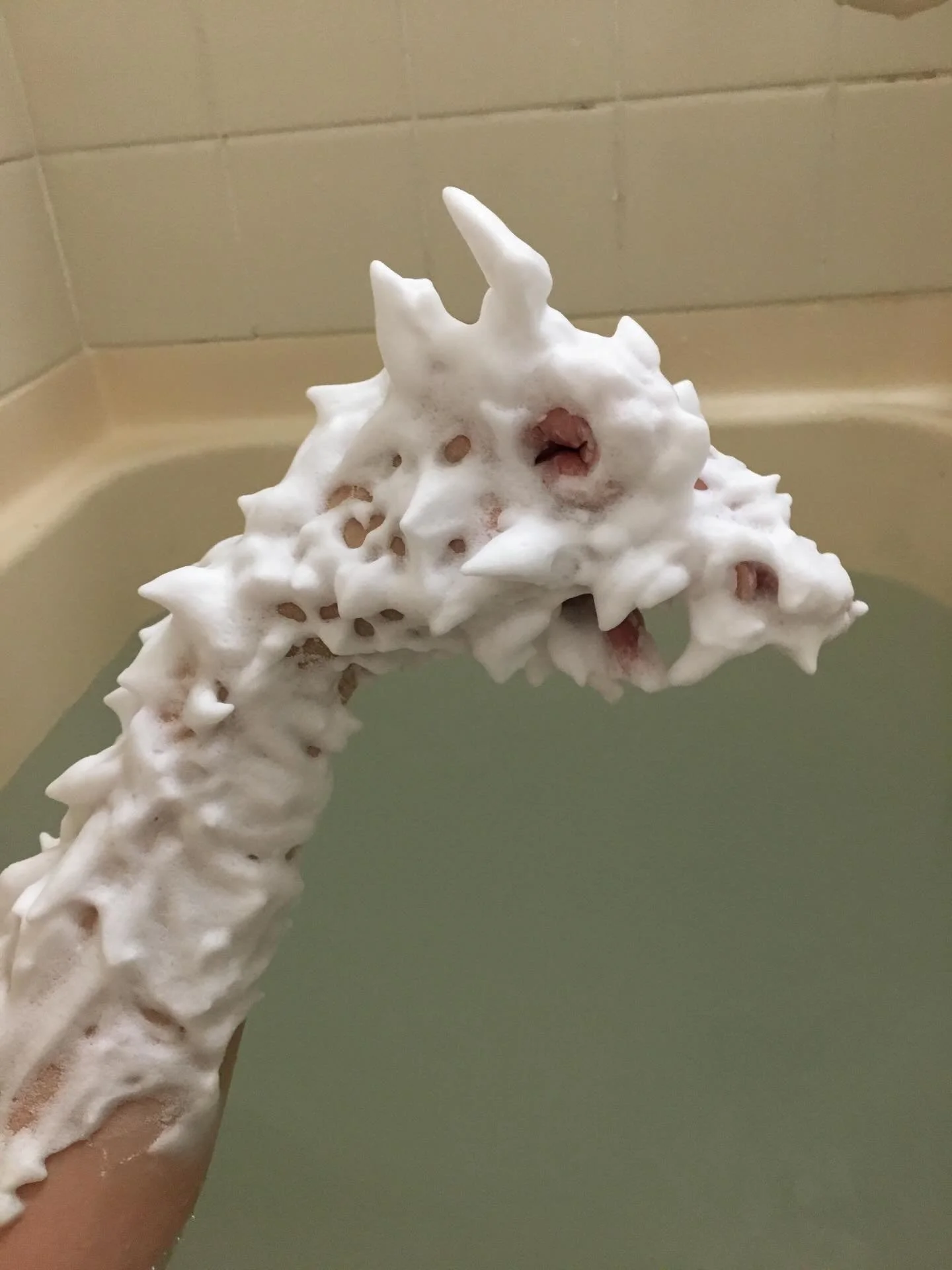
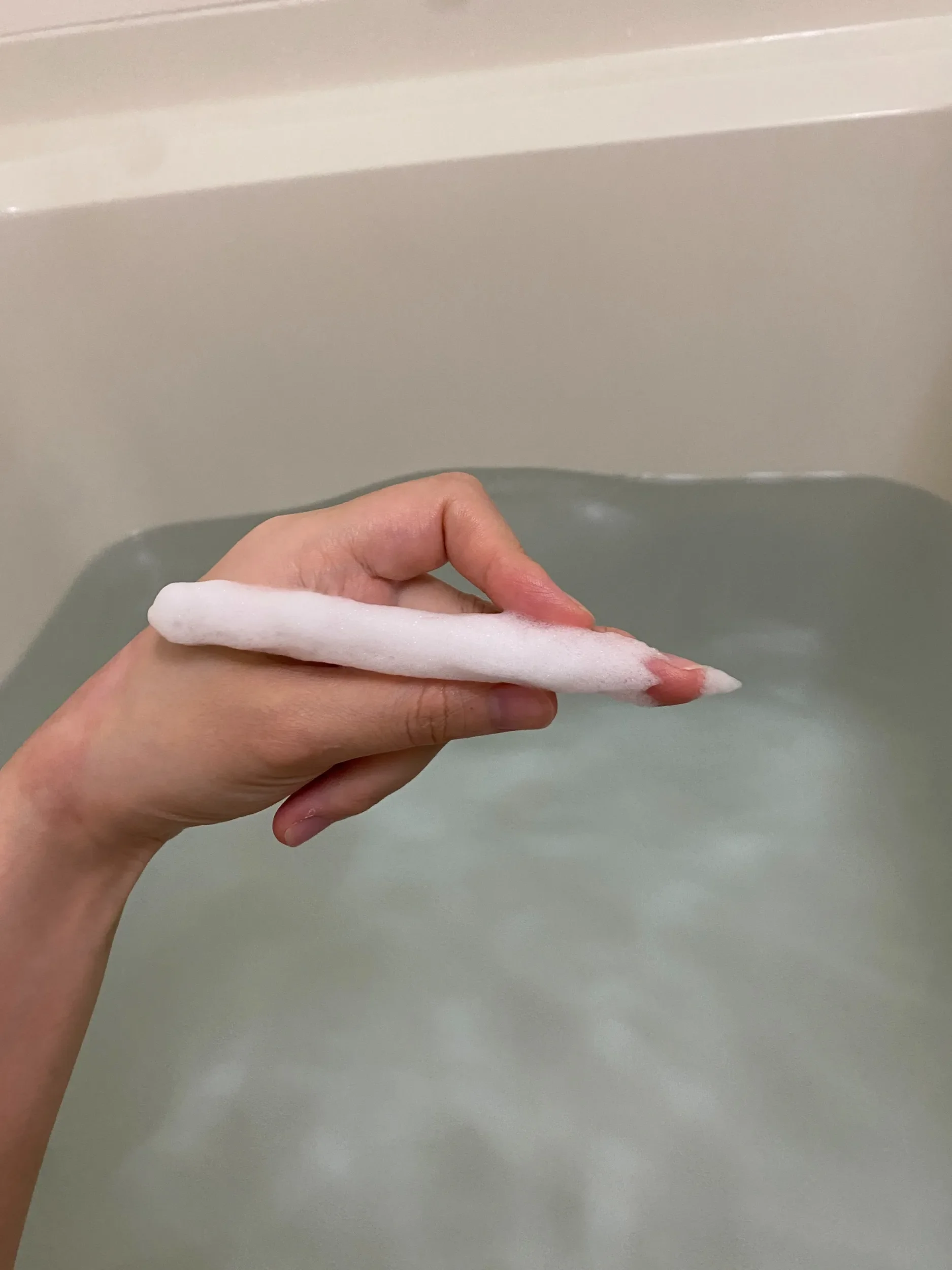
Turning bathing into a foam sculpting ritual, Yuri Sugiura has found an unlikely material in one of the most mundane parts of everyday life. Working with nothing more than soap, water and her own hands, she builds remarkably detailed forms that exist for only a few moments before being washed away. From a tiny cat resting on her finger to a full-blown dragon wrapped around her arm, while her face might disappear beneath a foam mask resembling anything from a labubu to Ultraman.
The deeper we dived into Yuri’s work, the more difficult it became to pin down exactly where her practice begins and ends. Foam is only one part of it. Through her daily routine, everyday objects, food, her own body and even fallen hair become materials for experiments, turning otherwise unremarkable moments into visual stories.
We found Yuri’s approach too peculiar not to reach out and ask how it all began. She talks about the origins of her daily rituals, the creativity hidden inside ordinary routines, and why something disappearing can be just as meaningful as something that remains.
© Yuri Sugiura
Looking through your Instagram, I see foam works alongside fruits, vegetables, blankets, bruises, drawings, and other everyday things. What led you to start creating such intricate works from the things you encounter in everyday life, while keeping them familiar and relatable?
I aim to express “art” not as something special or separate from everyday life, but as a way of expressing my own “way of being” within my daily life.
One of the origins of this approach was a work I made by using my finger to move my own hair that had fallen out and stuck to the bathtub, creating a drawing with it.
At the time, I was preparing for my graduation project at art university, and I had become so preoccupied with the idea that I had to make something amazing that I couldn’t really get started. One day, while absentmindedly moving the hair stuck to the bathtub with my finger as I thought about things in the bath, I realized that I could use its movement to draw pictures.
I started photographing and documenting it every day, and eventually the people around me began to find it interesting. Through this accumulation of daily records, it became a work of art in its own right.
Since then, I have started trying out whatever ideas come to me in everyday life, just as they are.
For example, I have a habit of imagining my futon as a person and talking to it. This led me to create stop-motion animations in which I use the wrinkles of a futon to make human faces, changing the shape of the mouth according to the words I want the face to say.
While cooking, I have also experimented with different ways of cutting vegetables, such as cutting them into shapes resembling other vegetables or fruits.
By turning the casual actions we perform every day into things that can be observed and appreciated, I feel that we can find amusement in everyday life, see familiar things in a different way, and highlight the small changes that happen around us every day. That is why I continue to make work in this way.
The foam series I am currently working on also came from noticing this kind of creativity that exists within everyday life.
So what led you to focus on foam as a material?
I find it interesting that artistic expression can emerge in the middle of an act that is seemingly the opposite of “making”, the act of “washing” or “getting rid of something.”
It almost feels like a final act of resistance at the end of the day, or even something like a fate or compulsion that makes me continue creating regardless.
Rather than seeing the fact that the work cannot be preserved as something tragic, I believe that precisely because it disappears, I can place value on the “act” itself that emerges in that particular moment.
Even if the work itself does not remain, if it changes the way someone who sees it perceives something, or leaves something behind in their heart, I think that can also be one way for a work of art to exist.
And after everything has been washed away, the only thing that remains is the “self” who made something.
I found something compelling in that, and gradually became drawn to foam as a material.
Your foam face sculptures make me feel as though I’ve wandered into the “Backrooms” and encountered a strange creature that can freely change its face. What led you to start making these sculptures, and have any “rituals” or recurring practices emerged through the process?
The reason I began creating works through the act of “washing” that I practice today also came from something that happened while I was actually in the bathroom.
One day, when things weren’t going well with my artistic activities, I was washing my face at the end of the day, thinking, “I didn’t accomplish anything again today,” and “Every day is just the same thing over and over.”
At that moment, I noticed that depending on the shape of the foam, my face could look like it had upturned eyes on some days and downturned eyes on others.
That’s when I realized that even within the everyday life I had thought was unchanging, I was always creating things while making some kind of change.
I realized that simply being alive is already a creative act. That realization itself saved me in a way, and I found it fascinating.
So I began making famous people’s faces out of foam, hoping that even people who didn’t know what my own face looked like could enjoy these everyday changes.
By doing this at the end of each day, I can end the day as “the person who made something.”
I gradually began doing this activity as often as possible, ideally every day. From there, I eventually started creating not only faces, but also using various parts of the body, such as my hands, in my work.
I saw that you also hold workshops teaching people how to create sculptures with foam. What made you want to share this process with others, and how have participants responded to such an unconventional approach?
In 2024, I served as a judge for a card design competition. The following year, in 2025, the competition decided to hold a workshop, and I was asked to lead the session.
I had already been receiving comments on social media from people saying, “I want to try making this myself,” so I had been interested in doing a workshop for some time.
Foam is difficult to control, so I was a little worried about whether people would actually be able to make things successfully. But everyone who participated enjoyed creating their works, even though they each struggled with it in their own ways.
Some people incorporated the colors of their nail art into their creations, while others photographed their works in front of plants at the venue. People came up with approaches and ideas that I myself would not normally use, which I found very interesting.
It was stimulating for me to watch their ideas continually expand and develop in the moment. I would love to do it again.
© Yuri Sugiura
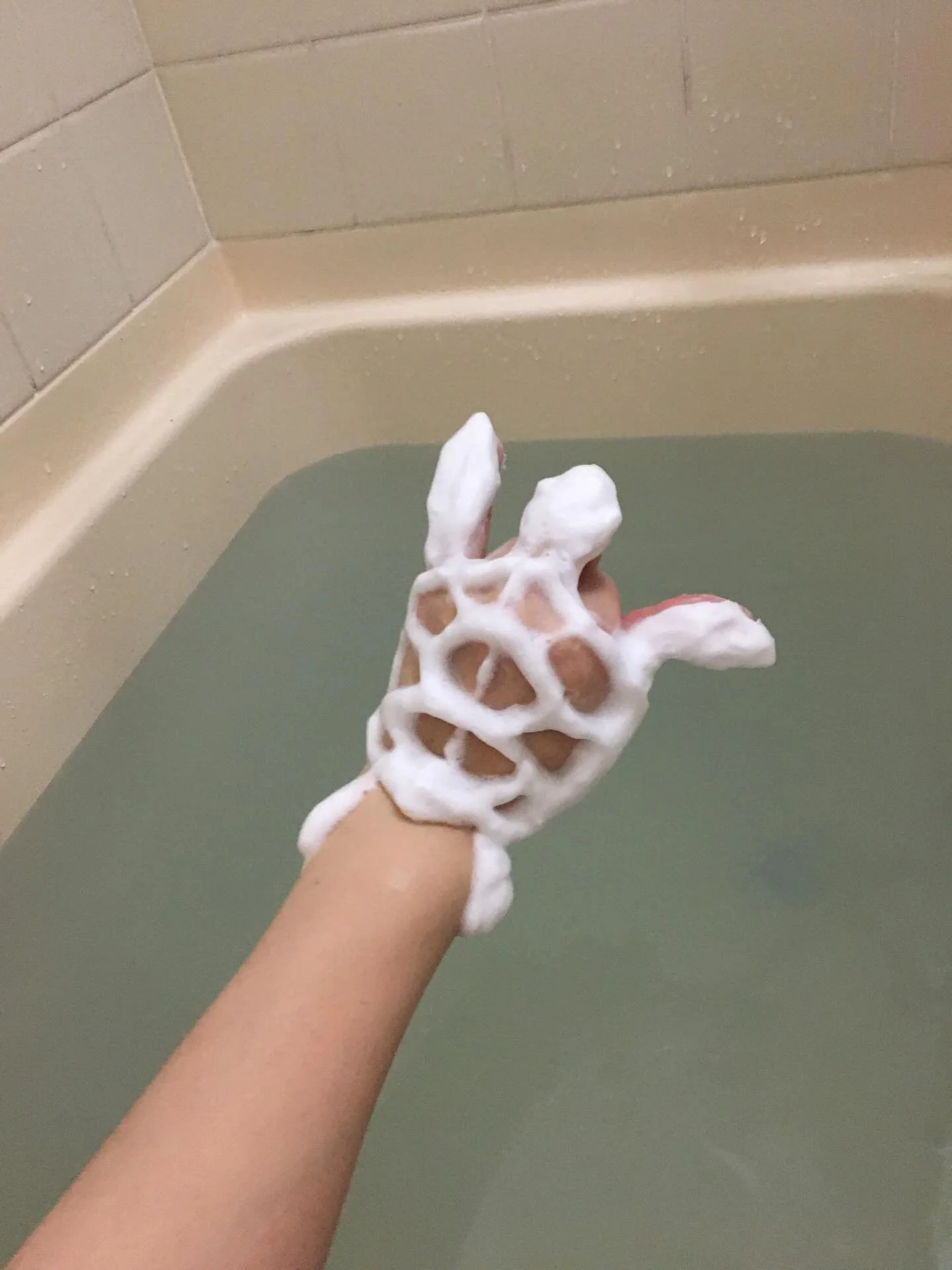
You often photograph your foam sculptures in the bath, a space usually associated with relaxation. Do you actually create some of your works while bathing? If so, do you ever become so absorbed in the process that you lose track of time or your surroundings?
I actually make the hand sculptures while I am in the bathtub during my normal bathing time.
If the process takes too long, the shape of the foam will collapse, so I have to make them relatively quickly.
Also, if I concentrate too much, I can get overheated, so I make them while staying relaxed and, above all, keeping in mind that I am still “washing” and that I am taking a bath.
Finally, is there anything you would particularly like our readers to know or take away from this interview?
Even without being consciously aware of it, people live their lives by making things, moving things, and influencing things around them.
Even on a day when you think, “I didn’t do anything today,” you might, for example, simply keep photographing a pair of socks you have taken off. Before you know it, you may have touched them and changed their shape, placed something on top of them, or moved them to another location without realizing it.
There may be an unexpected great adventure hiding within those small changes.
So, by noticing the changes that happen every day, let’s enjoy the everyday together and live our lives with a sense of curiosity and amusement.
© Yuri Sugiura
Follow Yuri’s journey on
Trending articles

Exploring Yuri Sugiura’s creations from tiny foam cats to full & dragon masks.