
Shikishima Kuon Reconstructs Memory as Digital Fragments
© Shikishima Kuon
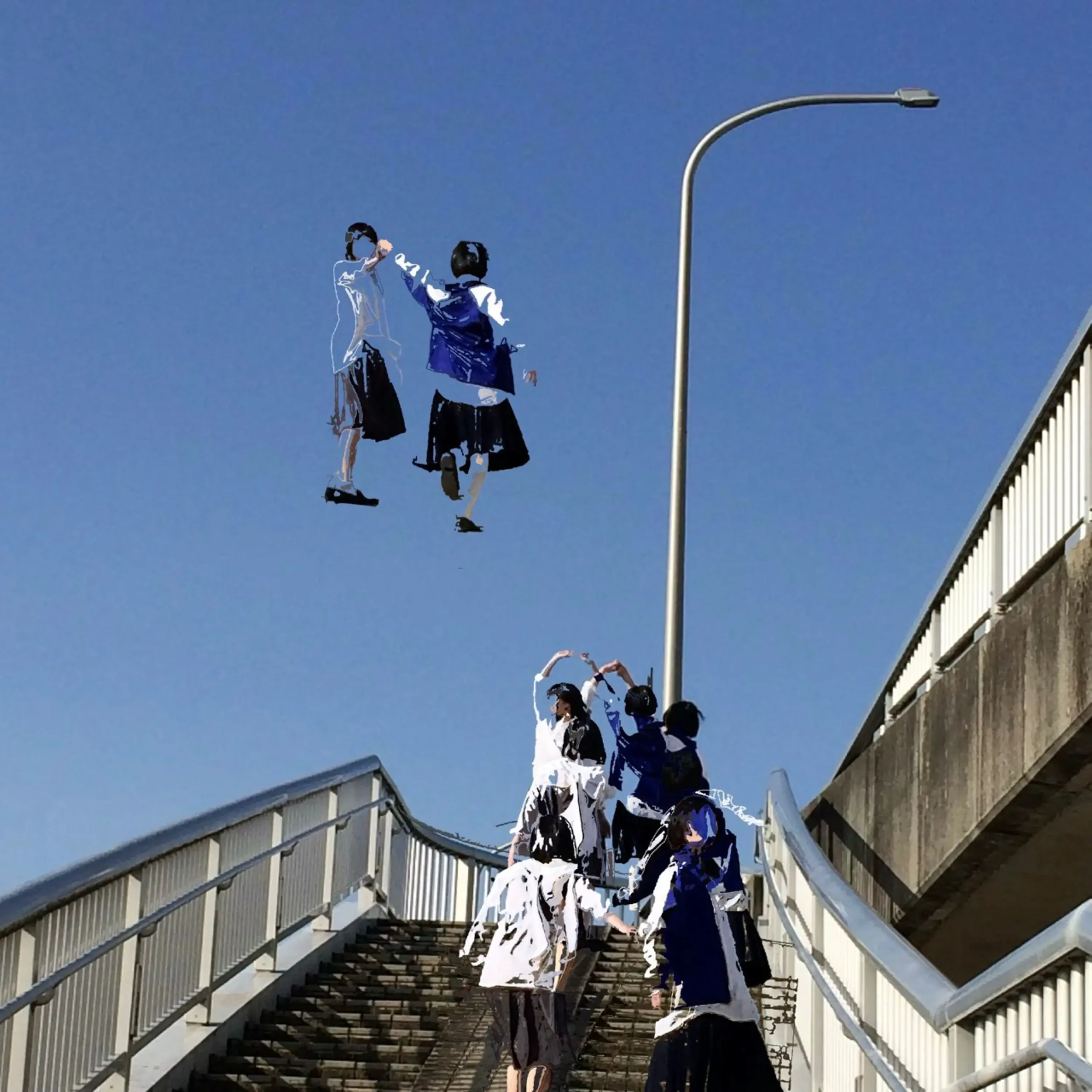
Incredibly rough, confusing, undefined yet recognizable, and above all, mysterious. We’re talking about the work of Shikishima Kuon, known online as byrottenbird.
A lot of the glitch aesthetics, datamoshing, and digital distortion bring us back to the early 2010s. Yet Shikishima Kuon’s manipulation of digital images feels surprisingly rooted in modern-day culture while carrying an unmistakable sense of nostalgia.
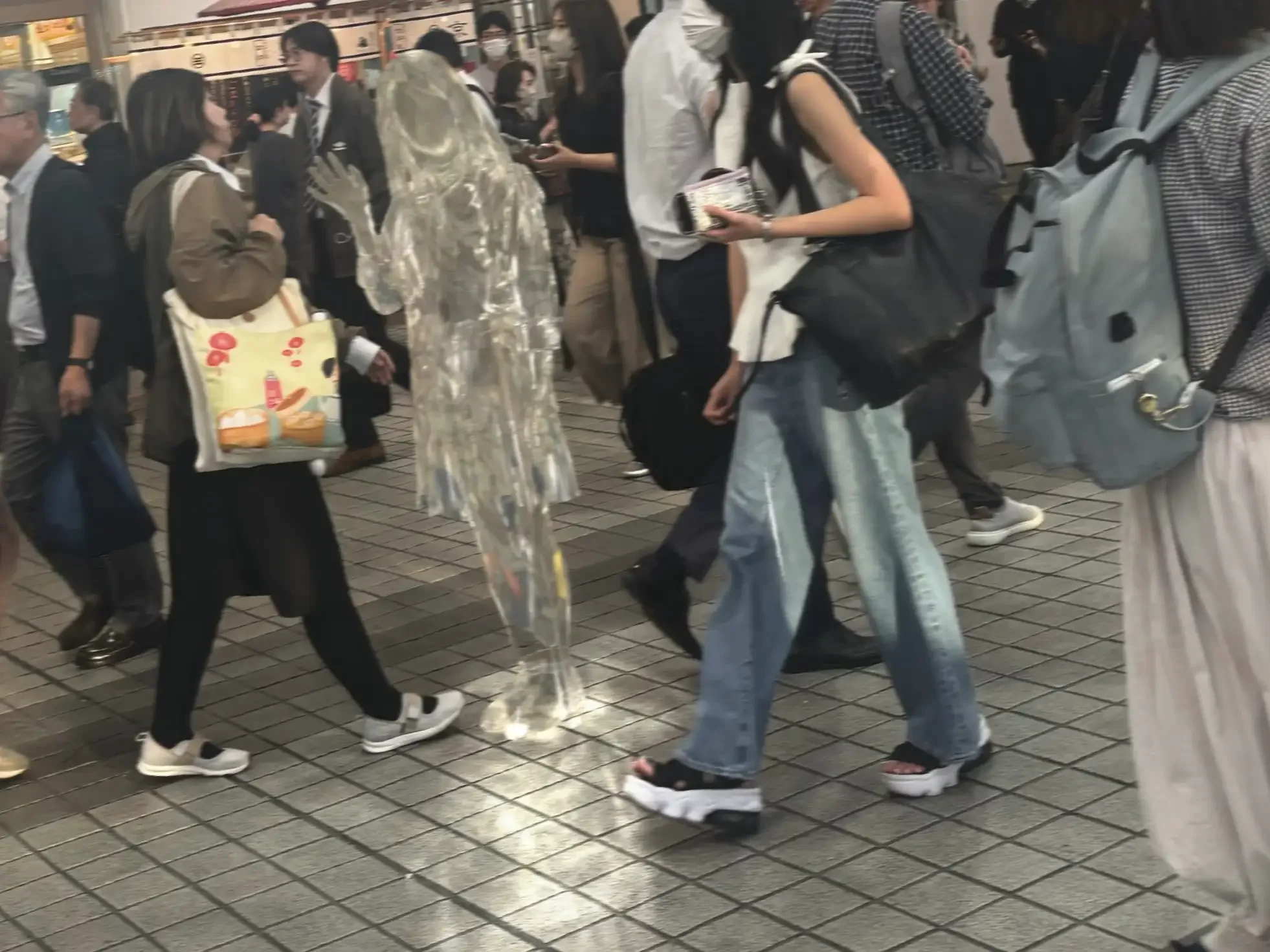
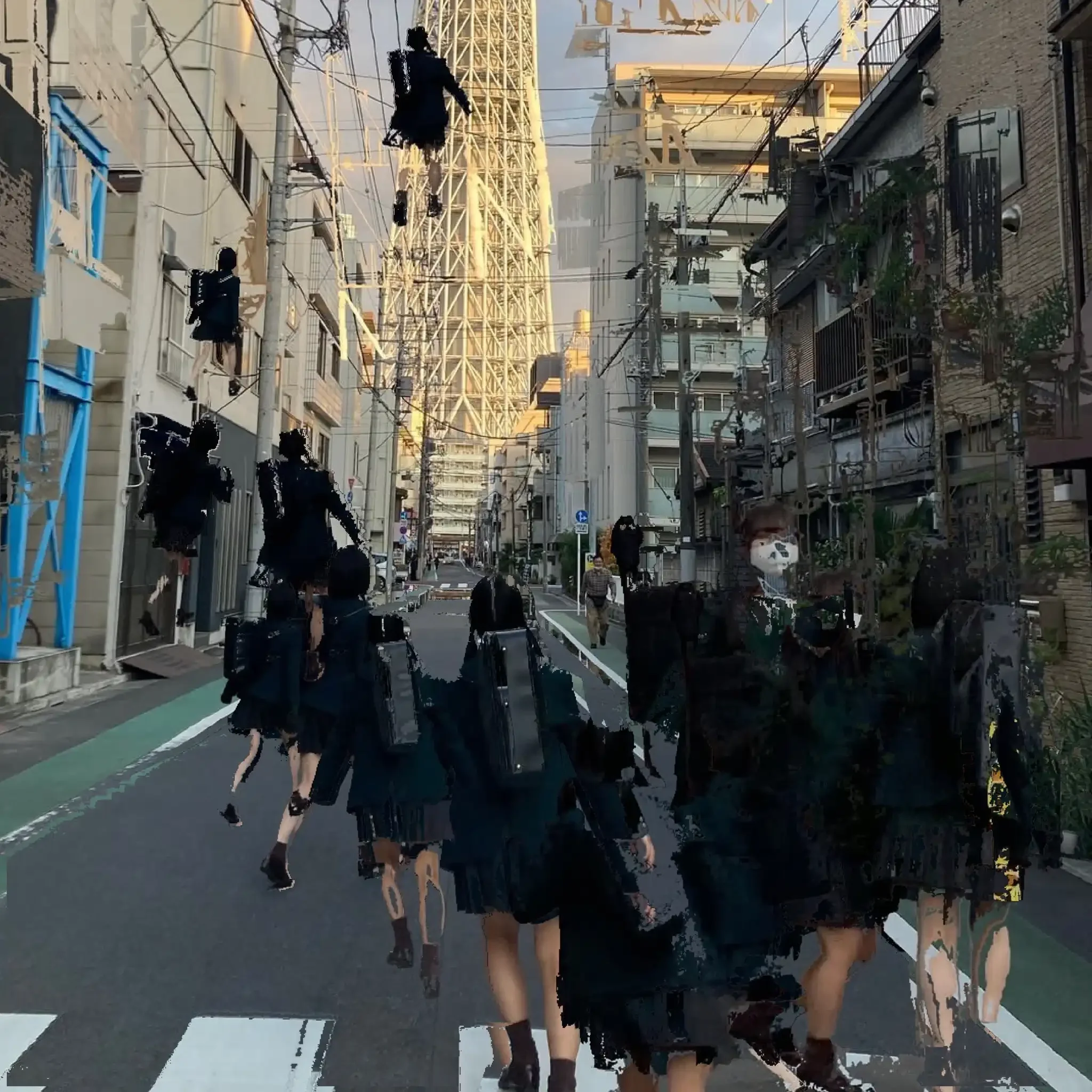
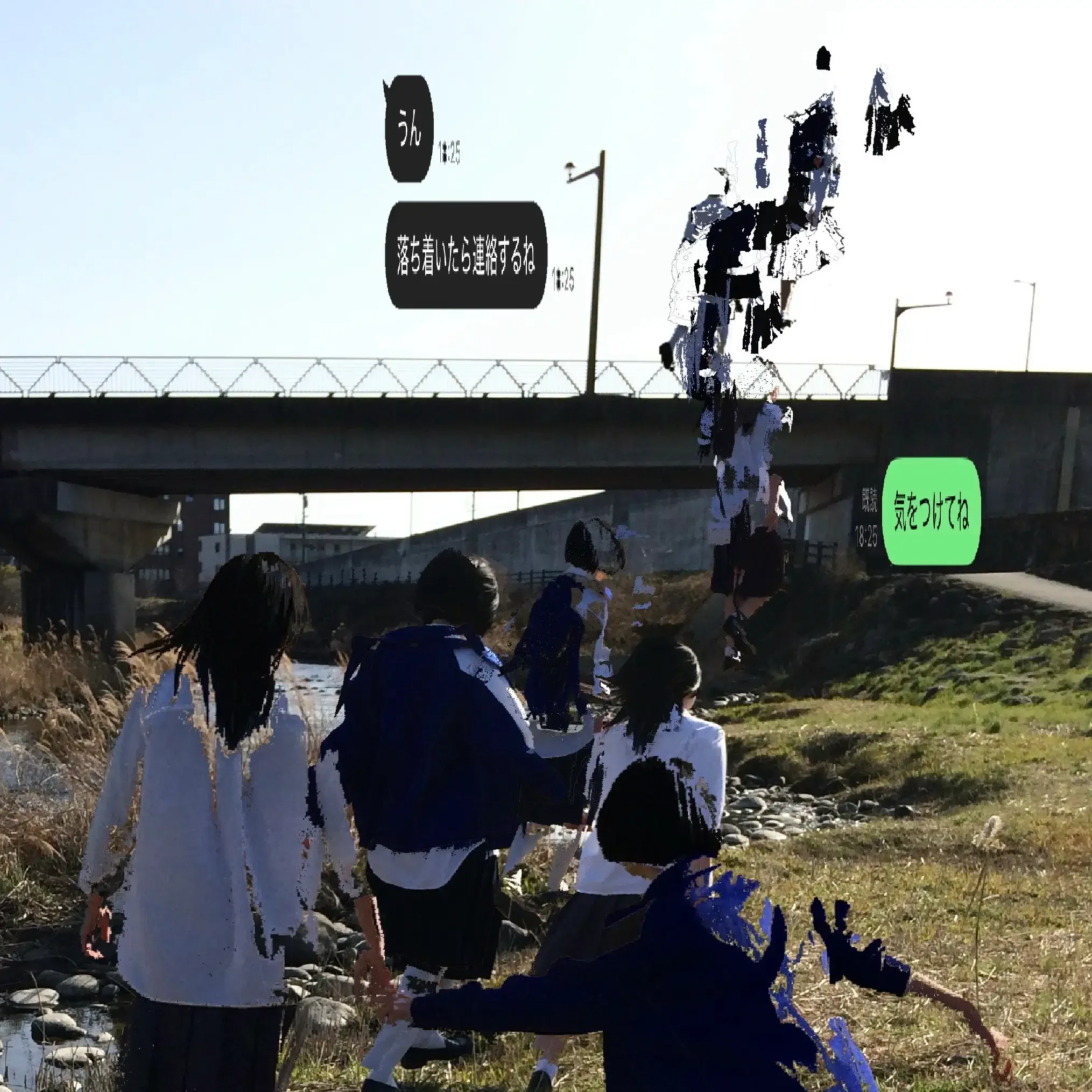
Kuon’s work sits somewhere between photography and collage, altering the way we perceive reality in our memories, raising more questions the longer you stare at it. Someone might appear several times in one scene, float above the ground, lose part of their body, or suddenly appear in front of a shifted background.
Rather than simply distorting photographs, Kuon seems to be reconstructing something closer to the way we remember them, fragmented and constantly changing.
We spoke with Kuon about photography, memory, warmth, and the strange space between what actually happened and what we remember.
© Shikishima Kuon
When I look at your work, I often can’t tell where the photograph ends and the artwork begins. At what point does a photograph become something you feel free to manipulate?
First of all, I don’t treat photographs as photographs. So they don’t necessarily need to be good photographs. In a sense, I treat photographs not as records, but as memories.
For most people, the images in their camera roll are not really records, but memories. In my own shoots, there are actually many photographs that are blurry or partially cut off. There are things that matter more than taking a technically good photograph. For example, when I make my work, I often try to recreate the texture of a memory as it comes back to me.
I think the texture of our memories is influenced by the screens we saw and the quality of our eyesight when we were children. Apparently, people who grew up with black-and-white television sometimes even dream in black and white. For my generation, the internet was already there when we were young, and that meant early iPhones.
But deciding which photographs I want to turn into artwork is much simpler: it comes down to whether they have warmth. Warmth doesn’t necessarily come from technical skill. Most of the time, when I take a photograph that will become a finished work, I can already see the finished piece the moment I take it.
The human body is constantly being fragmented in your images. What first made you interested in manipulating the image of people in this particular way?
For example, there is some footage I shot when I was a student. When I watch the footage now, I sometimes discover unexpected things that I had completely forgotten. Every time a memory is recalled, it becomes verbalized and changes shape.
I remember running with my friends through a brilliantly glowing sunset, but when I watch the footage, what actually happened is much more ordinary and modest than I remember. A record and a memory always exist in completely different places.
When I make my work, I always try to move toward the side of memory rather than the side of the original record. Artwork is, in a sense, slightly more of a lie than a memory. If you force something to look like artwork, it becomes an artificial lie. That is why I’m interested in creating landscapes of memory within the frame.
I think of memory as a low-resolution version of reality, interpreted in whatever way is convenient for us. The weather, the colors, even the atmosphere can change depending on how we felt at the time. As we repeat the act of remembering, the parts that have become worn away are filled in with whatever memories happen to fit.
When I make a work, I try to make it look as much as possible like something that has been remembered.
© Shikishima Kuon
There are moments where several versions of the same person seem to form a kind of choreography. Are you thinking about movement when you construct these images?
I generally don’t give directions during my shoots. The two models who appear frequently in my work are actually good friends, so when I photograph them, I’m simply capturing them playing and spending time together.
During the process of making my work, I think a lot about warmth. I think warmth appears in the unconscious. Consciousness is, in a sense, a form of deliberate intention.
For example, the wear and stains that naturally accumulate on a pair of jeans from everyday life can feel endearing and warm. But if you deliberately create those same signs of wear and stains, they feel artificial. More than anything, they just feel dirty.
I have a kind of perfectionism that could almost be described as an obsession with keeping conscious intention out of things. I pick up those unconscious movements and try to create a flow within the frame, almost like a sequence of panels in a comic.
It’s important for it to feel as natural as possible. The closest feeling I can compare it to is watching a cat chasing a butterfly outside your window, or seeing a plant sway in the wind and leave an arc-shaped trace of its movement across a wall.
I connect together those kinds of natural, precious moments, moments that leave a sense of warmth somewhere deep inside you.
At what point do you stop manipulating the image? Is there a moment when adding one more fragment would ruin the work?
There are two kinds of completion. There is completion through courage, and completion through compromise.
For a long time, I had a rather cynical view that making art was simply a continuous process of compromise and giving up. At some point, I realized that perfection and completion have nothing to do with each other.
When you face a work with courage, or rather, with confidence and affection, I feel that you naturally begin to see where to stop. Once you start thinking, “I should make this better,” and the work starts becoming more deliberate, you have already gone past the point where you should have stopped.
© Shikishima Kuon
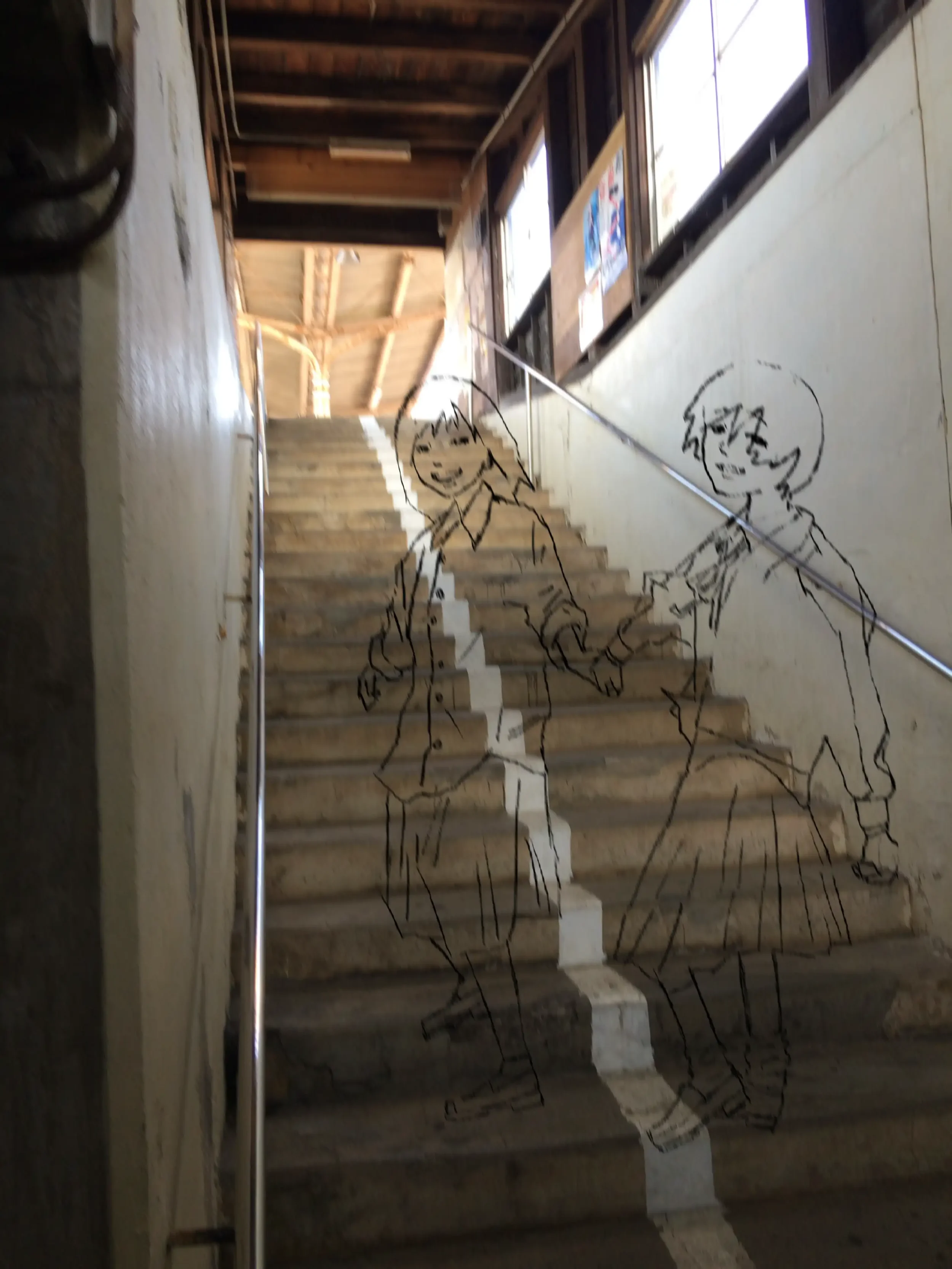
There is a collective energy in your work, with people holding hands, running, climbing, appearing above one another. What interests you about depicting people together rather than alone?
When multiple versions of the same person occupy the frame, it strengthens the conceptual quality of the image. It begins to take on an atmosphere that feels like remembering something, or like dreaming. I often think about the larger flow within the frame. You could call it directing the viewer’s gaze. I think of Chōjū-giga as an example.
I want each image to have a larger flow and a small sense of narrative within it. In fact, there are also works that contain a continuous story. Holding hands, running, these kinds of actions are irreplaceable to me.
In the art book I released recently, I created a series of works that connects these actions into a single story.
You’ve developed a visual language that is immediately recognisable. Does that ever make you want to deliberately break your own rules? Would you say you even have rules?
Honestly, I’ve only been working with this technique for a little over a year. At the time, I started making collages as a way to relax between making work and teaching at an art school. I would receive photographs from friends and use them to make collages.
The very first collage I made ended up becoming the cover artwork for kinoue64’s 日常消滅.
So I don’t really have any particular rules. If I look at it more introspectively, it comes down to things like warmth, my roots, and my own feelings. But visually, it ultimately comes down to whether the image is beautiful within the frame.
It’s not about being correct. It’s about being beautiful. It’s not about being technically good. It’s about being interesting. I actually realized this while talking with one of the models. I hadn’t really felt that there was anything particularly “me” about my work.
Of course, my distinctive editing process is part of it, but I realized that the colors also had something to do with it. Since then, I’ve deliberately been making works with drastically different color palettes.
© Shikishima Kuon
Trending articles

Exploring Yuri Sugiura’s creations from tiny foam cats to full & dragon masks.