
HIGH RECEIPTS - The Short Film Exploring Tokyo Youth Through Kendama
HIGH RECEIPTS│© Matthew Ballard
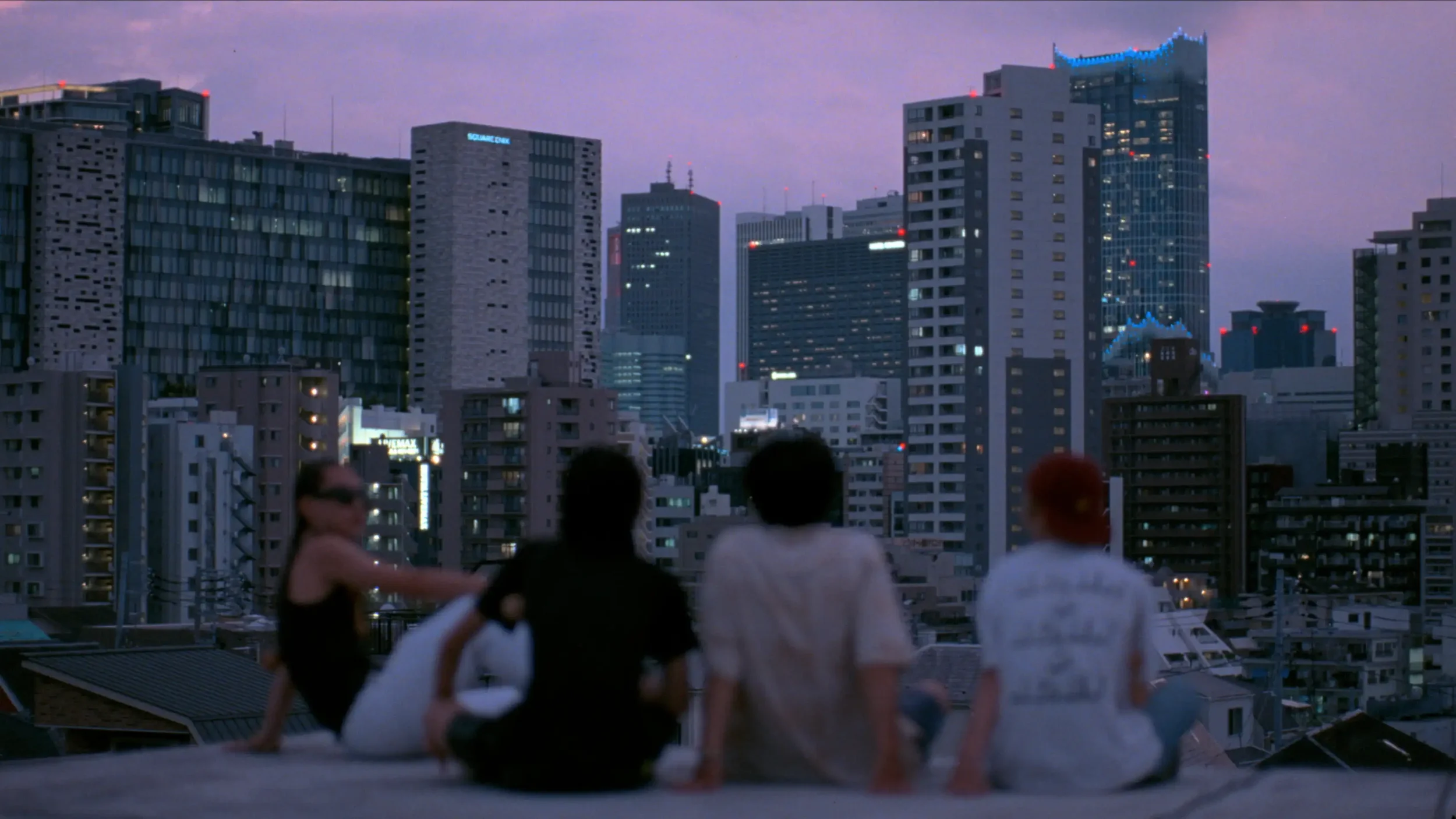
The heat of a Tokyo summer can make you question your sanity. For filmmaker Matthew Ballard, it was the perfect backdrop for his coming-of-age film HIGH RECEIPTS, set in the heart of the city.
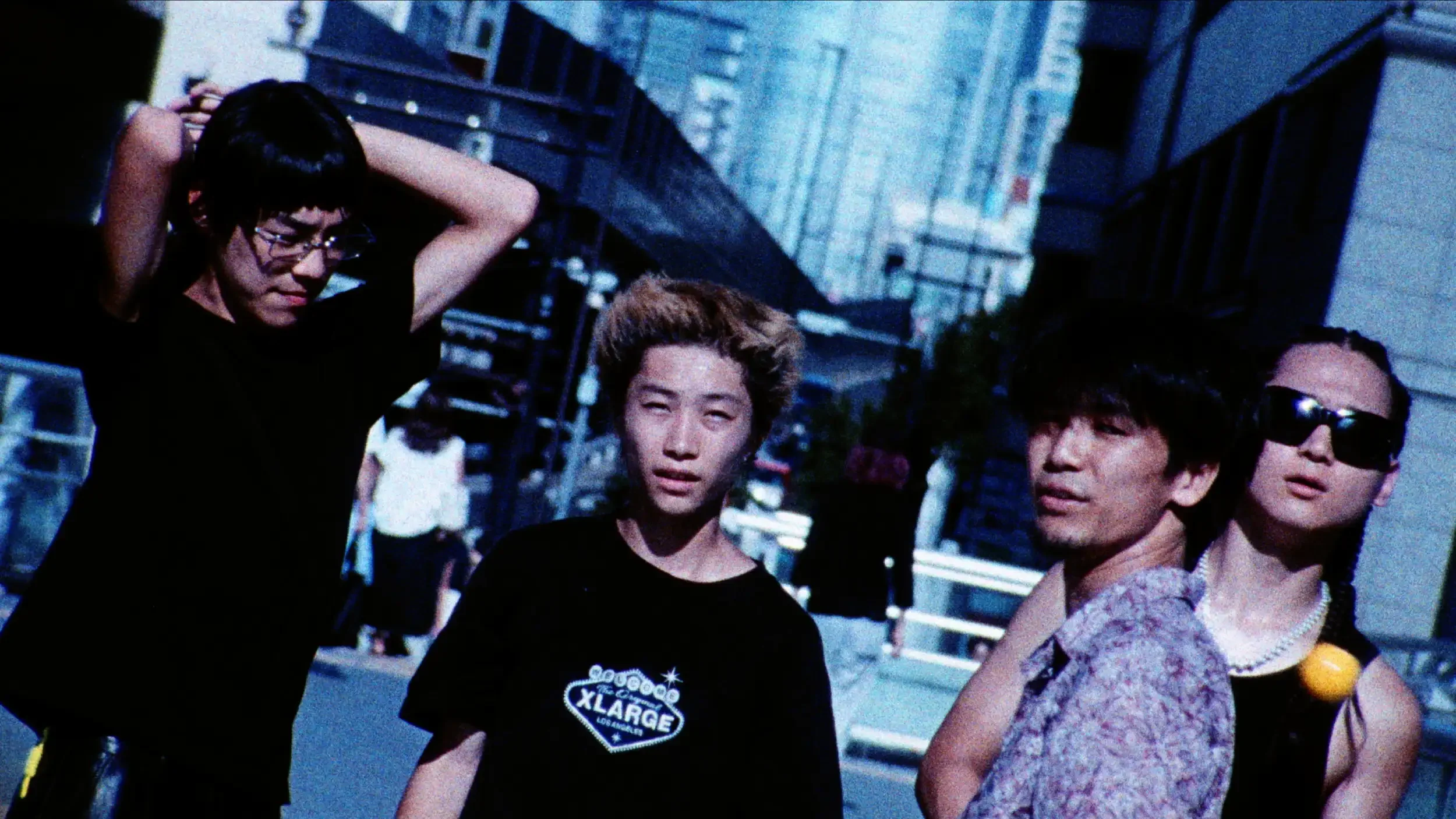
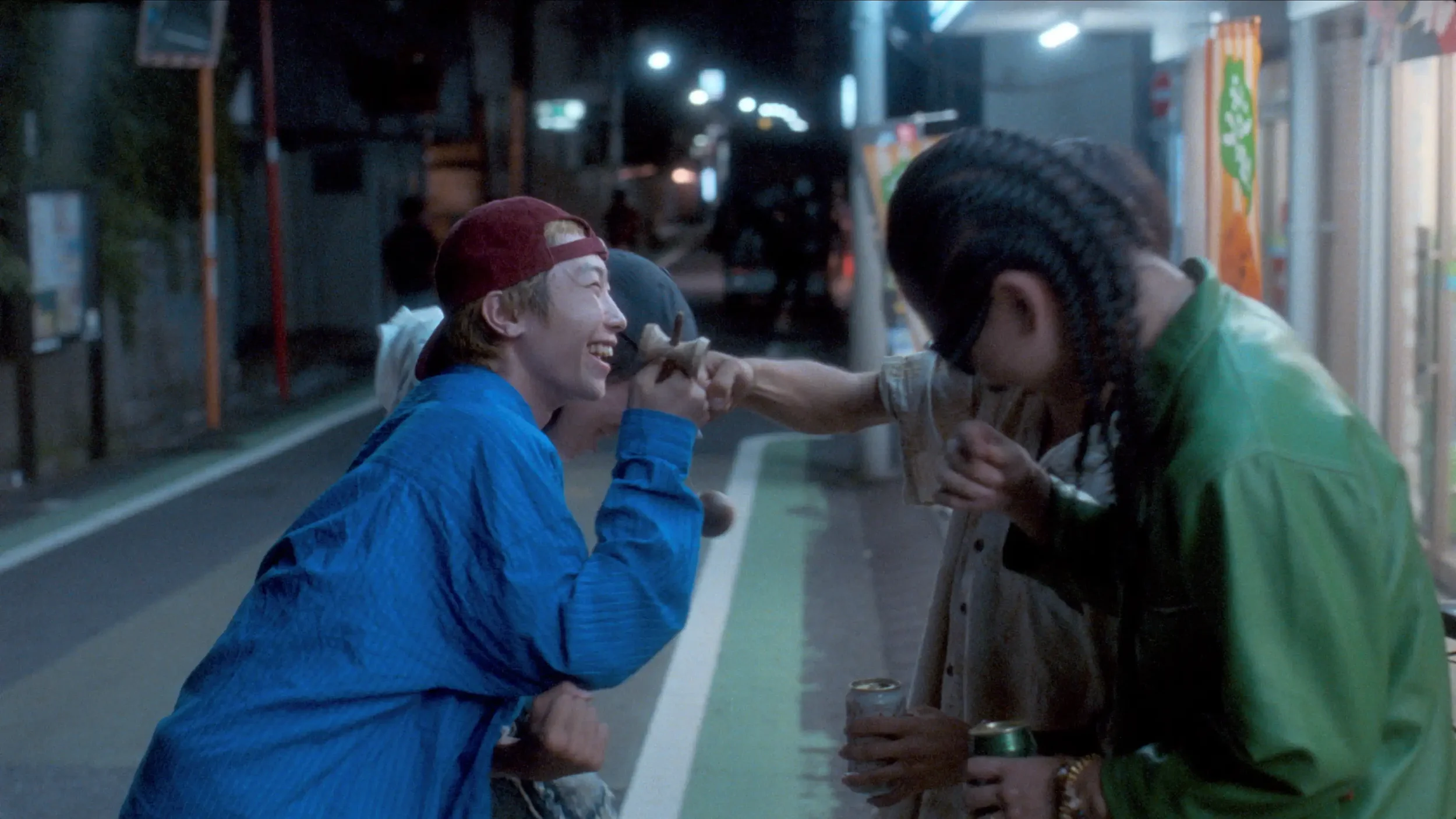
The film centres on ‘High Receipts’ - Yasu / Soma / Kaito / Nobu - a young Tokyo-based kendama crew whose friendship, energy and freestyle sessions became the starting point for Matthew’s short film. He first encountered the crew almost by chance, at a kendama event in the Netherlands. Having been away from the scene for years, what he saw felt like a different world from the kendama culture he had grown up in.
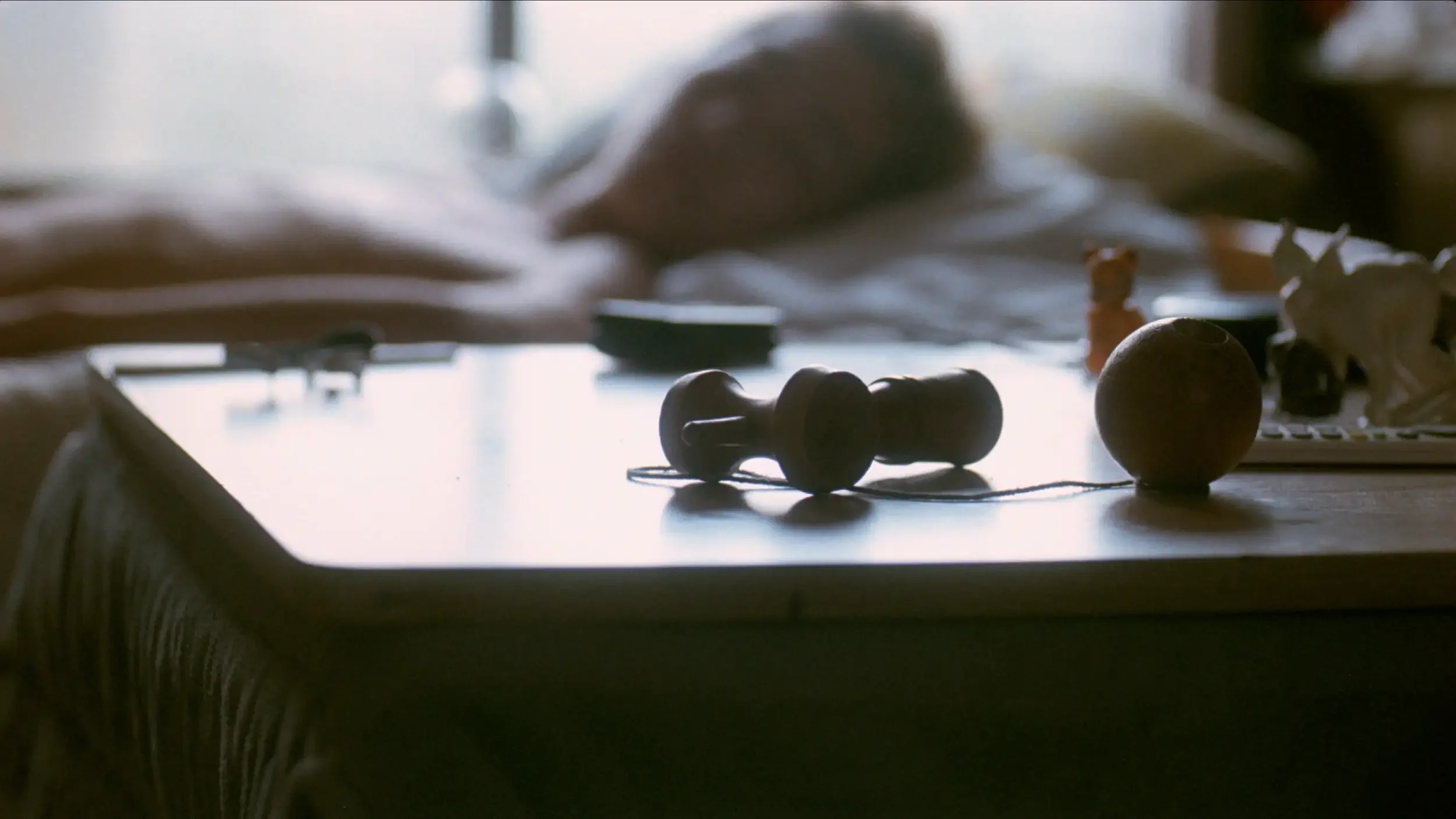
For anyone who doesn’t know kendama, chances are you’ve seen one before. The wooden toy with a three cups handle and a spike, connected by a string to a wooden ball. The objective is pretty simple: catch the ball. What has developed around it is anything but. Over the past two decades, kendama has grown into a global freestyle culture built around competition, video, music, fashion, travel and community.
We didn’t know much about that world before meeting Matthew and discovering High Receipts. What surprised us was just how deep the culture runs, and how naturally something that began as a traditional Japanese toy has been absorbed into a much wider street culture.
Matthew knows that transformation from both sides. He discovered kendama as a teenager in the late 2000s and became part of the first wave of freestyle players who helped push the toy into a growing international scene. Years later, he found himself on the other side of that history: back in Japan, filming a new generation of players who had grown up watching his videos.
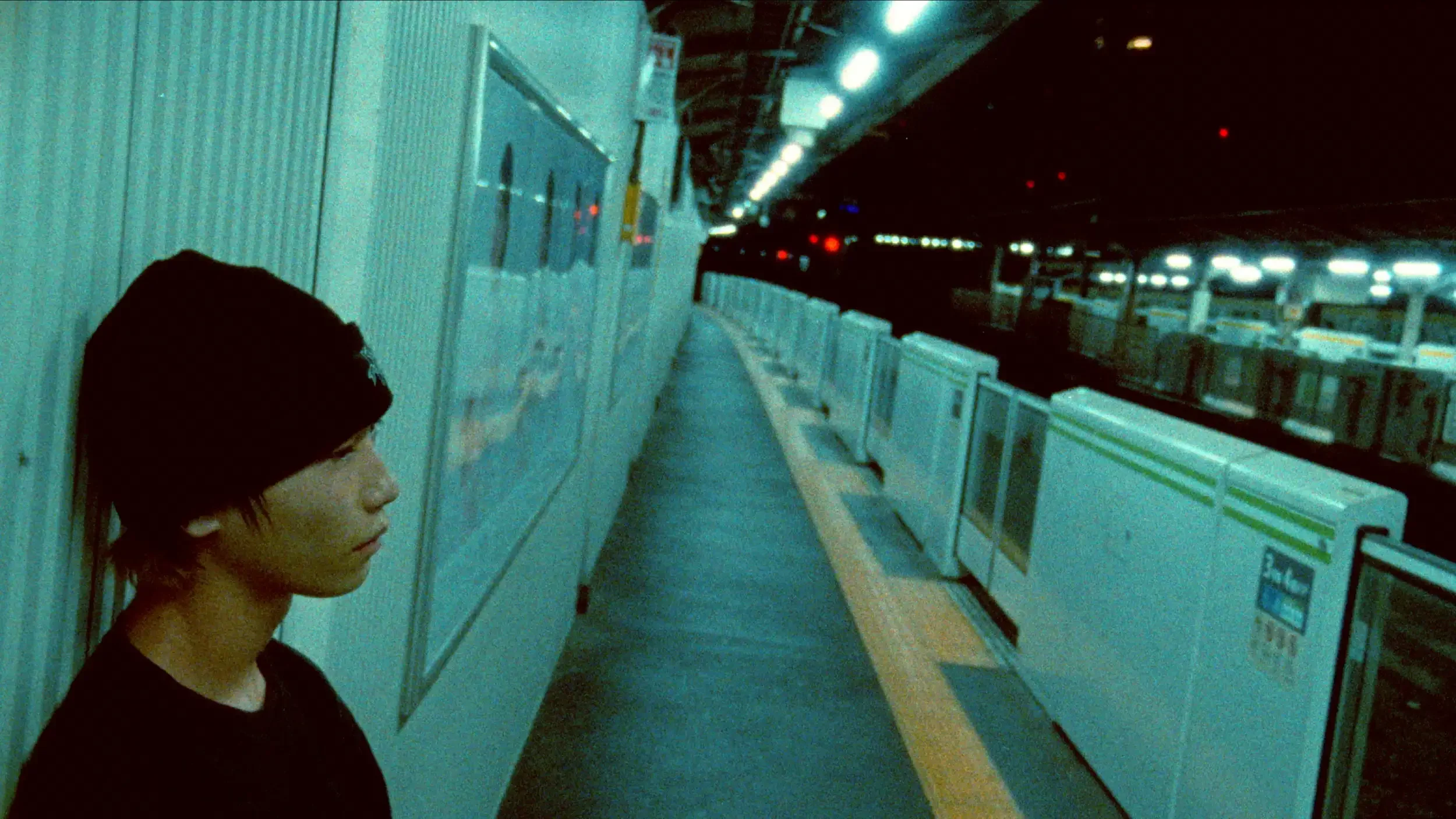
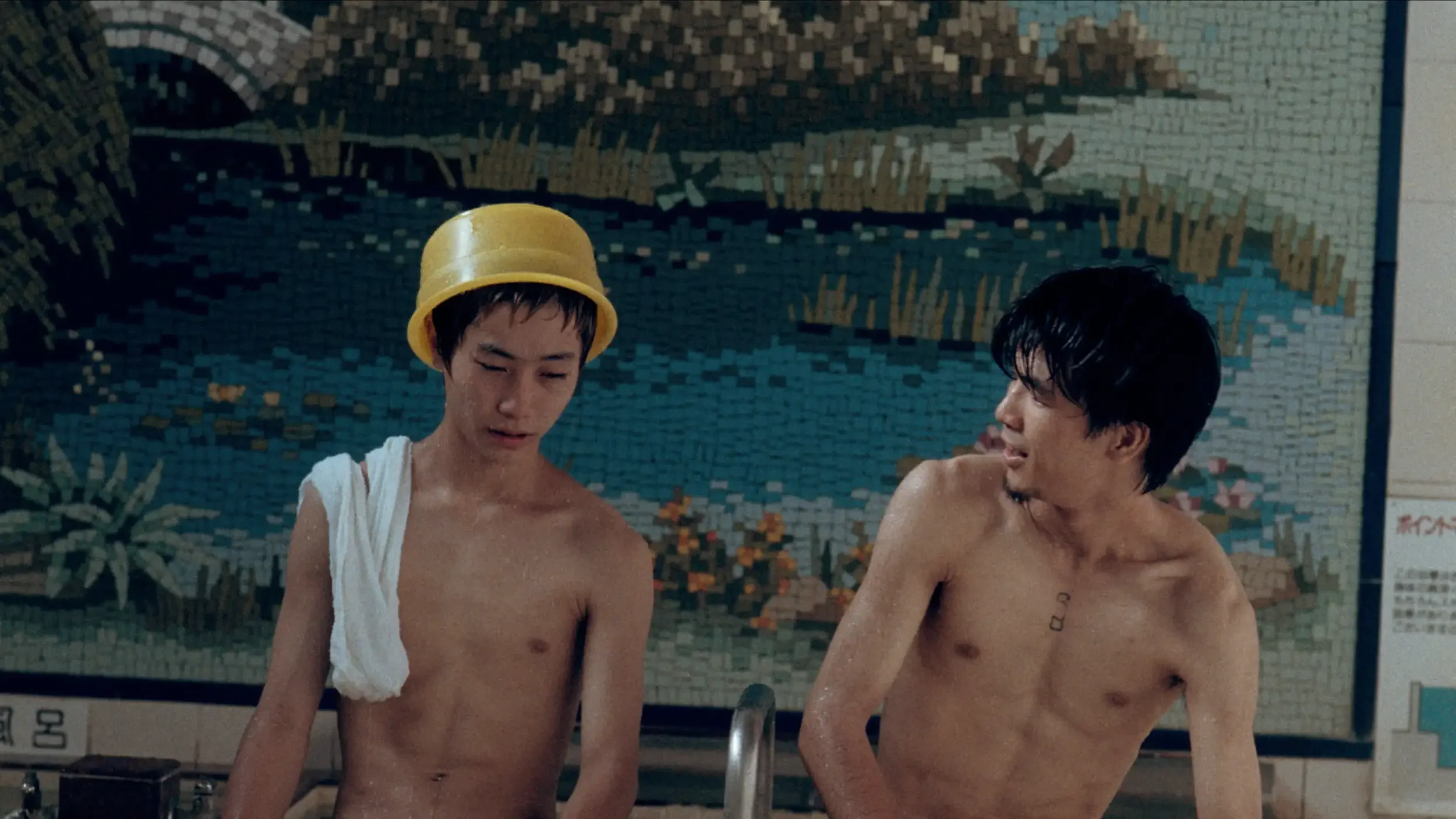
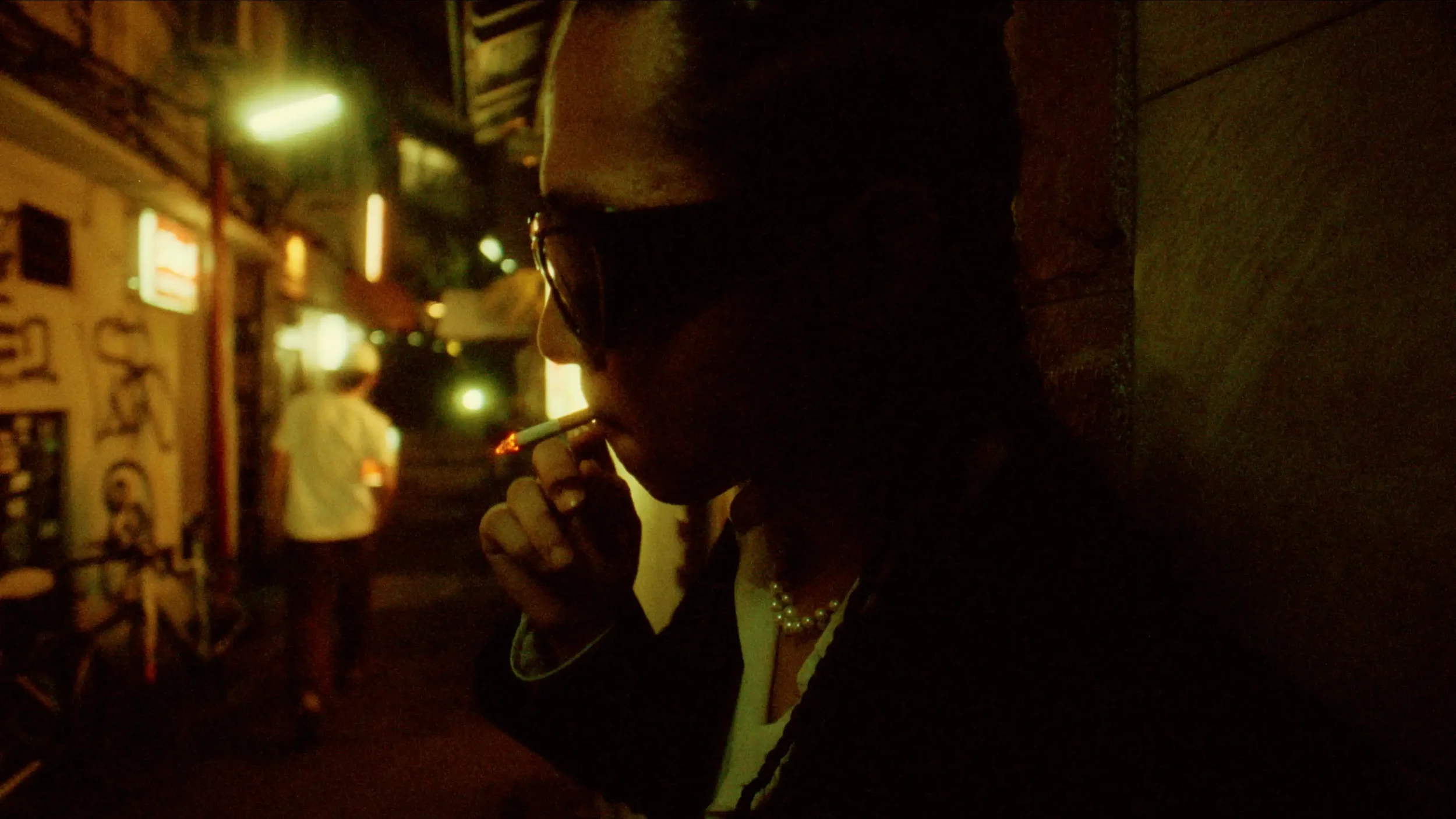
A connection that only solidified the unique atmosphere of what became HIGH RECEIPTS. It is a film about kendama, but not really a kendama film. At its centre is a group of young people spending time together, finding their own language, while figuring out what it means to be young.
With everyone travelling, in different time zones, and life generally getting in the way, we eventually managed to bring the crew together for a conversation with Matthew, Yasu, Soma, Nobu, and Kaito. We talked about the origins of High Receipts, the strange experience of being filmed by someone they had grown up watching, and how a traditional Japanese toy became a way of expressing themselves, travelling the world and, ultimately, growing up.
HIGH RECEIPTS│© Matthew Ballard
Roman - Tokyo is actually pretty cool today. It’s not that super hot today. I think the typhoon is coming. So the temperature is coming down. It was also pretty hot while you guys filmed HIGH RECEIPTS, right?
Matthew - That was midsummer. It was super hot. We were fully drenched in sweat. Actually, the first days were crazy hot. I remember just all my clothes completely soaked in sweat. It was bad.
15 minutes into our call, Yasu decided to join us. Understandably, it was 10am after all.
Yasu - What’s up! Everybody good?
Roman - Thanks for joining us Yasu. First of all, the film HIGH RECEIPTS was amazing. I see everyone’s hairstyles are completely different from when you filmed the movie. I was just asking Matthew if the weather wasn’t crazy hot during filming?
Yasu - Yeah, it was super hot!
Roman - Matthew what was your trigger to create a coming-of-age movie in the heart of Tokyo?
Matthew - I grew up in this very niche kendama community 10 to 15 years ago. I first saw it in 2008 when I was 13, via a rollerblading magazine. The first initial big boom started in the US and Europe between 2010 and 2015, with local communities developing, companies forming, and people making videos and connecting on Facebook.
Then basically since 2015, the Japanese have taken back to it, and through a few generations, players have come to the highest level of kendama play with Yasu and their gang.
Two years ago, I went to the European Kendama Championships in the Netherlands. I had been out of the kendama scene for a long time and didn’t really know what was up, I hadn’t really seen the progression at all.
But I went to this event, and that’s when I met all these guys: Nobu, Soma, and Yasu. They were introduced to me as High Receipts. The name of the film comes from the origin of their actual crew name.
I was totally blown away watching them because I’d never seen anything like that in the way they played kendama. When I played as a teenager, it was super basic and rudimentary. Their play style and their fashion style was on another level, as was their energy. Everyone was totally hypnotized by them.
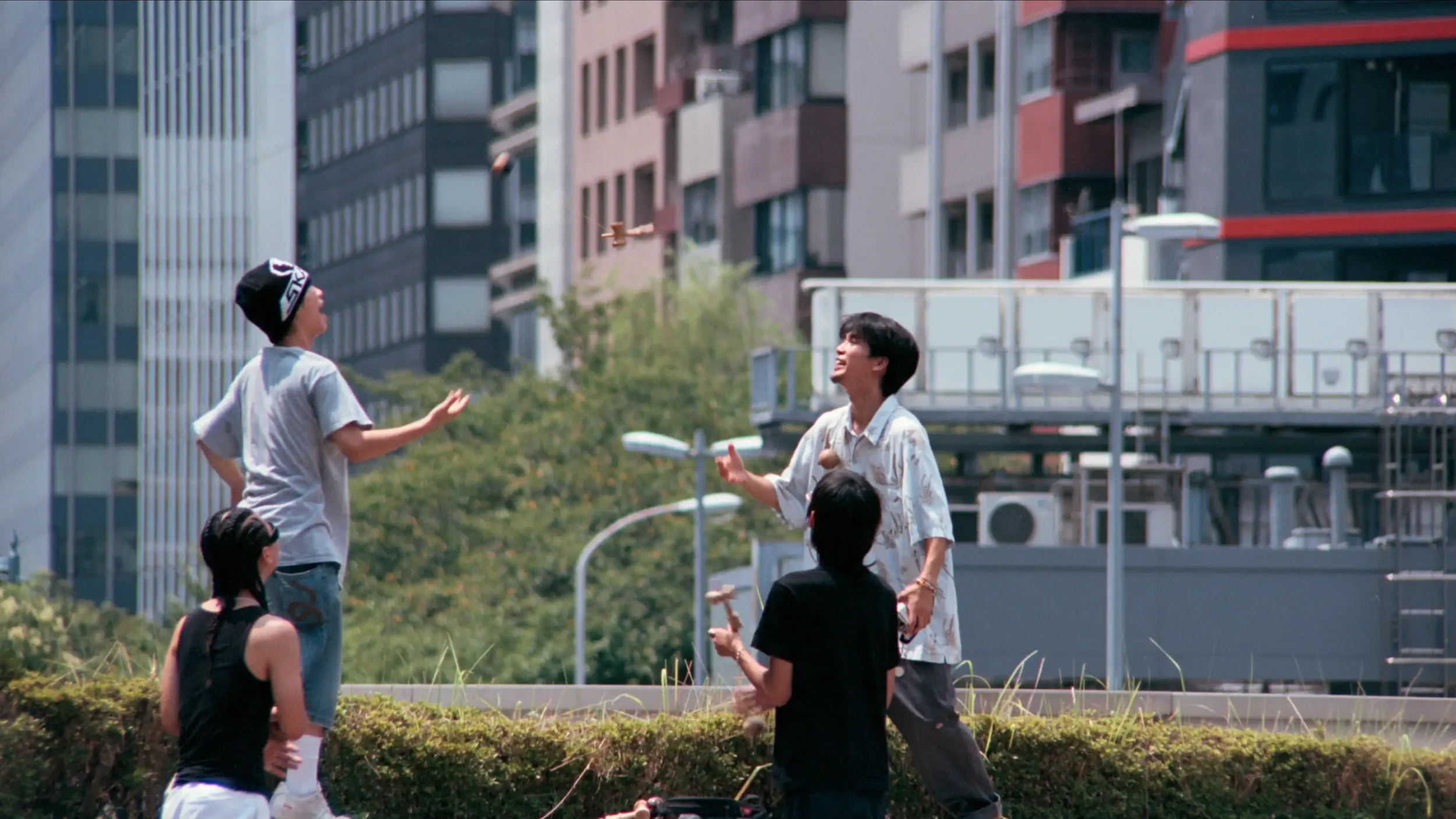
I spent those two or three days at that event just hanging out, watching them on the stage while they were battling each other. The last day, someone brought a music speaker and these guys played kendama in a little freestyle circle. They were just these amazing muses ready to essentially be a cast in a film.
HIGH RECEIPTS│© Matthew Ballard
Roman - When Matthew first approached you guys about making a short film with all of you as the protagonists, what did you think? What was your initial reaction?
Yasu - It was pretty hard to understand what was going on, honestly.
Nobu - It was like, “a movie??”
Soma - At that point, I think we were already in a mindset where we were down to do pretty much anything.
Yasu - We were just like, “Sure, let’s do it.”
Soma - Yeah, exactly. We put aside what kind of movie it was going to become for the time being. If it was coming from Matthew, we were like, “Let’s do it!”
Yasu - The fact that it was Matthew, was a crucial part of that decision. I was really glad that Matthew was the one who came to us with this. We wouldn’t just do it if someone randomly approached us, but from our perspective, Matthew was already a legend in the kendama world. And the fact that Matthew was saying he wanted to make a movie, was pretty fucking crazy.
Kaito - I didn’t hear it directly from him, I heard about it through a message, so I was like, “What the hell?” First of all, just hearing that Matthew wanted to make a movie… like, what does that even mean? So if you asked me about my initial feeling, it was basically just, “This is insane.”
Soma - I was excited, and I had no idea what was going to happen. I couldn’t imagine it at all, but at the same time I was like, “This is definitely going to turn into something good.” It was that kind of unknown craziness. I just thought, “But it’s Matthew, so it’s going to be sick.”
Even when he initially invited us to be part of the film, back in the Netherlands, it came across so natural. There was also a guy called Rodney who could speak Japanese, but Matthew just called us over while we were having a session in a park and suddenly said, “I want to make a movie.”
It was the first time someone had ever asked me to make a movie in such a natural way, so it was shocking. I don’t even know how to describe it. He said it with the same energy as if he’d asked, “What time did you wake up this morning?”
Nobu - The fact that Rod was involved was crazy too. Rodney Ansell is a Canadian kendama player, and he’s a legend in the scene as well. He’s really close with Matthew. Both of them came to us and said that Rod was going to help make the film. So it was also like, “Wait, Matthew is making a movie, and Rod is involved too!?” That really hit me.
Yasu - We’re basically the generation that grew up watching Matthew. Through YouTube and stuff. Soma and I were originally two of the players sponsored by Matthew’s team, so we’d been watching his videos a lot around 2013 and 2014.
We’re all from the generation that started playing kendama after watching those kinds of videos. At that time, Matthew was at the absolute top level. He was always just this person who existed on the other side of the screen for us. So the fact that he was now filming us was insane.
HIGH RECEIPTS│© Matthew Ballard
Roman - In Japan, kendama is traditionally thought of as one of those old toys, like spinning tops or hanetsuki. But now kendama has really been absorbed into street culture. What was your perception of kendama when you first encountered it?
Soma - I originally did skiing. I was into freestyle skiing, and while I was doing jumps and flips on skis, I had some snowboarder friends who were playing kendama in the rest area. I was immediately like, “Whoa, kendama is sick,” and I got hooked when I was around 14 or 15.
Then one day, I was playing kendama at a restaurant when a foreigner came over and said, “Oh, kendama,” and asked to borrow mine. Then he started playing, and he did tricks I’d never seen before. At the end, he was doing all these things really rapidly - pan pan pan - and then even catching the ball on his pinky. I was like, “What!? A foreigner can do tricks like this with a Japanese toy!?” It completely blew my mind. That’s when I realized kendama was becoming popular overseas as freestyle kendama. I took a deep dive into it from there.
Kaito - I have literally the same story. The first memory I have of touching a kendama was this thing called “KDX (Kendama Deluxe)” that Bandai used to make. It was made of plastic, and you could swap out the cups. It became really popular at the time.
I’m 19 now, and when I was around first grade, basically every time you’d go to a friend’s house, they had one of these kendamas. I got one too, and it was just naturally there in my life. I don’t know why, but I got really into it, bought a wooden kendama, and started looking for videos on YouTube.
That’s where I found people like Matthew and all these cool ways of playing kendama from overseas. I guess that’s what I looked up to as a kid. That shock of, “How can you make this toy look this fucking cool?” has stayed with me even 12 years later.
Nobu - Originally, I played yo-yo from second grade until the end of sixth grade. I was watching yo-yo videos, and in one video, I think it was from the World Yo-Yo Fest or something, there was a scene where people were playing a lot of kendama. That was the first time I saw foreigners doing tricks I’d never seen before.
On top of that, I’m from Hiroshima, which happens to be the birthplace of kendama, and there was one in our classroom. So I thought, “Maybe I’ll give it a try,” and that’s how I started.
From there, I started watching tons of videos from international brands. I was watching videos of foreign pro players and all these guys making really sick-looking videos. So the idea of kendama being part of street culture naturally entered my mind when I was in sixth grade, and I got really into it.
Yasu - I’m really similar to Kaito. I actually started when I was given a Kendama Deluxe (KDX) for my sixth birthday. My parents really hated video games, so there wasn’t really anything for me to play with. Then my aunt gave me a KDX for my birthday. It came with a DVD, with trick tutorials and stuff. I just watched that DVD over and over, practicing until I could do the tricks. I had so much fun doing that.
HIGH RECEIPTS│© Matthew Ballard
Roman - What does kendama mean to each of you? Comparing when you first discovered it to now?
Nobu - I started when I was 12 and I’m 24 now, so it’s been 12 years. At first, it was more like being in a school club, or just a hobby where I’d do whatever I wanted to do every day. But now it’s more of a lifestyle.
Back then, it was simply about playing kendama and having fun. Now I’m more interested in what I can create using kendama, and how we can spread kendama to people who aren’t necessarily kendama players, including people who are just watching or waiting on the sidelines. Maybe I’ve shifted more toward the production side, thinking about how we can change the culture. For me, playing kendama is already a form of “expression.”
Kaito - It’s true that I’ve been playing kendama for all 12 of those years, but recently I’m thinking less about just the difficulty of the tricks and more about how I can express myself together with this kendama. Now, rather than feeling like I’m simply playing kendama, it feels more like I’m using kendama as a form of “expression.”
Yasu - Yeah, expression. In the past, when I started competing, kendama sometimes became about competing against other people. These days I’m also making music, and it’s not necessarily about having ideas for rap or anything, but about expressing what I’ve experienced and felt. Kendama literally showed me the world when I had nothing else. I’ve always thought it’s such a beautiful thing. Kendama changed my life, so to me it’s a really beautiful toy.
Kaito - I think I really discovered the true fun of kendama once I started playing with the crew. We’d all get together in a circle, put music on through a speaker, and play this game where we’d freestyle one after another, continuously passing tricks around. It was so much fun. When you’re alone, you’re practicing silently, thinking about what you need to practice for competitions and all that. But when you’re playing with everyone, you don’t think about anything. You just play casually and enjoy kendama to the fullest. There isn’t really any game that’s as fun as that, right?
Yasu - No, there isn’t. Because it’s just fucking fun.
Kaito - And once the four of us came together, the amount of influence each of us could have individually became so much bigger when we were all together. It felt like we were launching a four-person simultaneous attack on the world. It was really fun just getting together and playing, and I’m really glad we did it.
HIGH RECEIPTS│© Matthew Ballard
Roman - What do you think about the current kendama scene in Japan?
Nobu - Even now, I think there’s still a tendency to focus heavily on skill, on the enjoyment of landing increasingly difficult tricks. In some ways, I think that narrows the ways people can enjoy kendama. But at the same time, I also think that’s a good thing in some ways. Because that foundation might be what allows something good to emerge afterward.
From there, people can take things further and create great video work, and there are more and more people in the community spreading kendama through other genres rather than just skill, or expressing themselves in creative and artistic ways.
But there is still a lot of emphasis on skills, which can feel somewhat transient, so I think it could be interesting if more people in the Japanese scene started finding other ways to enjoy kendama.
Kaito - The Japanese scene is young, right? In terms of age. It’s mostly elementary and middle school kids, high school students and so on. Overseas, there are way more people in their 20s and 30s, and it feels more like they’re partying, drinking beer, and playing kendama as a street toy.
Even when you go to China or other parts of Asia, the playing styles are completely different despite being in the same part of the world. In China, most of the players are in their 20s or older. Teenagers are pushed really hard to study as part of the education system, so they can’t really play kendama just for fun until they’re in their 20s. But then they play it heavily as a street toy.
People sometimes tell us they’re jealous that Japanese people get to encounter kendama from such a young age, but I think it would be interesting if Japan also developed more different frameworks and ways of engaging with it.
Yasu - For me, I actually feel the opposite. I’ve always felt like I’m not carrying Japanese kendama, but carrying “kendama from the world.” This year, I’ve only been in Japan for about three months so far. I’ve been living this lifestyle of constantly traveling overseas to play kendama.
I really hate doing the same thing as everyone else, and I don’t feel like doing the same tricks or having the same style. For example, I like incorporating movements from breakdancing or freestyle football and adding new things in my own way, turning them into my own style. So right now, I want more people outside the kendama world to know about kendama. I want the first impression for people to be, “Oh, kendama is actually really fucking cool.”
Kaito - And that’s exactly why the meaning of making this film with Matthew is so significant. I hope it can become a work that people all over the world get to see. The film itself isn’t too much of a kendama movie. It’s more like a movie about young people living through their youth, and we don’t really consider it a kendama movie ourselves. I think people will be able to enjoy it regardless of whether they’re kendama players, and it can communicate the appeal of kendama while incorporating more of that street element. I really think we made something fucking great.
HIGH RECEIPTS│© Matthew Ballard
Roman - Matthew, until now, how did you see the changes in the scene?
Matthew - I mean, to be honest, I think kendama is so much cooler and unique now. And when we were filming and hanging out, the energy was so amazing. For me to come to Japan and to see you guys as a crew is totally incredible.
Roman - When someone is first getting into kendama culture, are there any videos you’d want them to see first?
Kaito - Definitely the videos we were watching when we first started. Those videos are basically the reason we grew up the way we did. I was really influenced by Kendama USA’s videos from around 2014. This video is insane, right? It’s still crazy every time you watch it. Matthew is in this one too, because he was actually part of that scene, which makes it even crazier.
Yasu - Matthew’s editing is pretty fucking intense. Seriously, it’s insane.
Kaito - Yeah, it’s really intense. The filming is insane too. This freestyle is pretty crazy, guys. This is a video that makes you understand what freestyle kendama is just by looking at it. It’s probably the most freestyle thing out there, honestly. The vibes are insane.
Yasu - The filming of HIGH RECEIPTS itself was really fun too. We filmed an absolutely ridiculous amount of freestyle. Whenever someone messed up, we’d rewind the music and go, “Alright, let’s do it again!” We’d just keep repeating it, trying to freestyle for another minute or so. I honestly had so much fun doing it.
Matthew - I had a lot of people tell me that with HIGH RECEIPTS, it touched people in a very intimate way. I’ve heard both; people said it reminded them of their youth and made them very happy, and some said it made them very sad or jealous. And I’ve had women tell me that it was their first time to see what it was like to be a teenage boy with your friends. I hope that this film can carry the same weight for someone else in a different way, like that 2014 video did for the guys. The next generation of players, they will watch this and they’ll get it.
Roman - Do you guys still see each other much these days?
Soma - Not really. We don’t get to see each other that much anymore. I’m in Hokkaido right now, so I haven’t really been able to make it down to Tokyo much lately.
Roman - If you guys ever all get together in Tokyo again, please let me join you.
Kaito - Yeah, that’d be really fun.
Roman - Your vibes are insane guys. Thank you so much.
Yasu / Kaito / Soma / Nobu / Matthew - Thank you! Peace!
HIGH RECEIPTS│© Matthew Ballard
Trending articles

Inside the culture and friendship behind Matthew Ballard’s HIGH RECEIPTS.