
Making the Familiar Strange - The Uncanny World of Nagi Noda
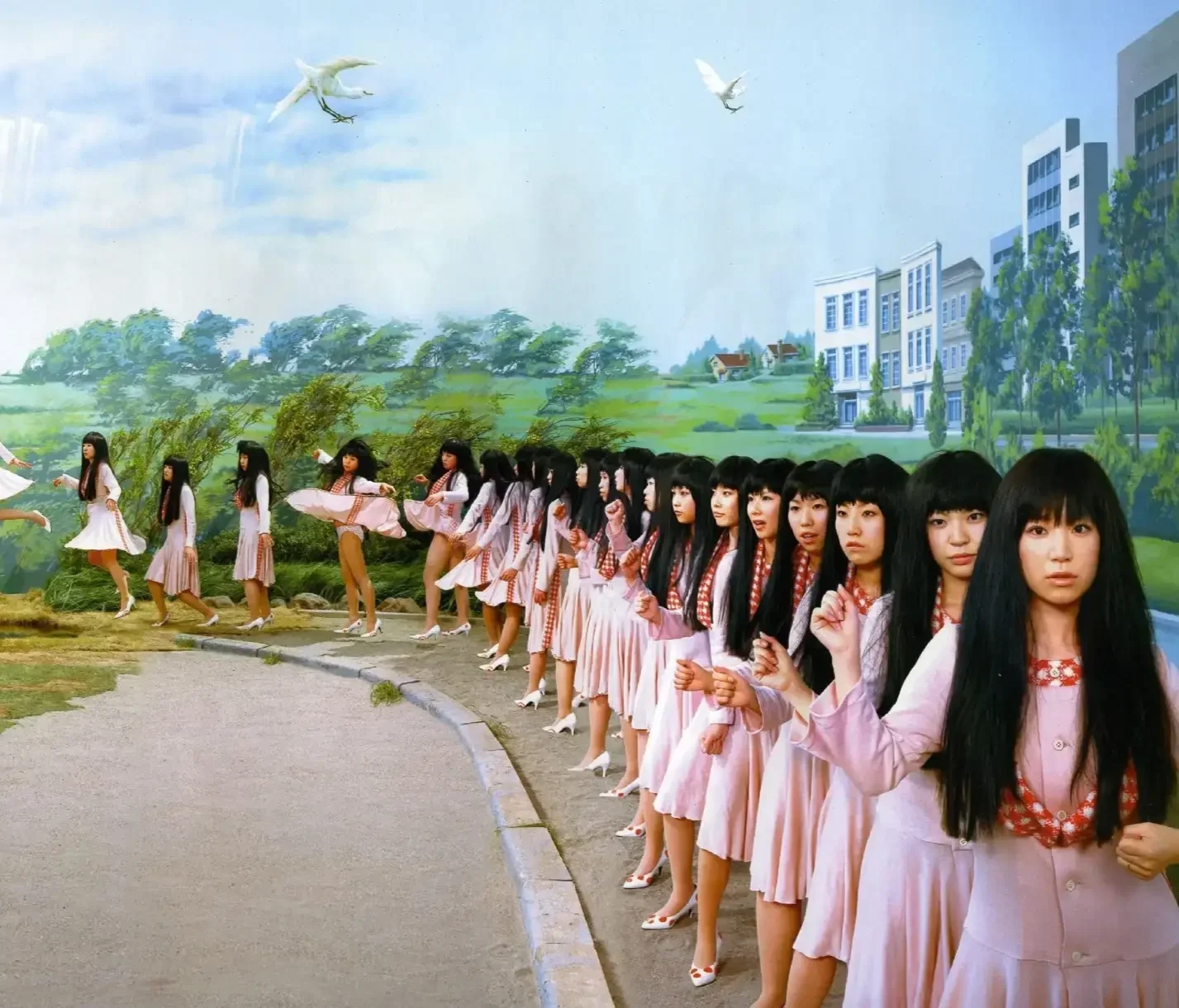
Still from YUKI’s Sentimental Journey│© Nagi Noda
A girl sticks her head into a miniature church serving as a dollhouse. Her tongue becomes the aisle as dolls gather for a wedding, while she slides the tiny bride towards the altar on her tongue. This crafty piece of visual archive was named ‘I get married smoothly’. It was Nagi Noda’s vision of a spring wedding for Laforet Harajuku in 2003.
Nagi Noda had a particular talent for this kind of visual mischief. Throughout the early 2000s, the Tokyo-born art director developed one of the most distinctive visual languages coming out of Japan, moving between fashion campaigns, music videos, experimental film, graphic design, and art.
Her creative reach was unseen. She created hybrid animal characters, directed an aerobics video featuring poodles, designed album covers, directed anime opening sequences, and collaborated with American artist Mark Ryden on a fashion label. The list goes on.
Unfortunately, Noda passed away in September 2008, aged 34, leaving behind a short career and a body of work that offers a glimpse into a period in Japanese commercial design when advertising increasingly became a space for visual experimentation.
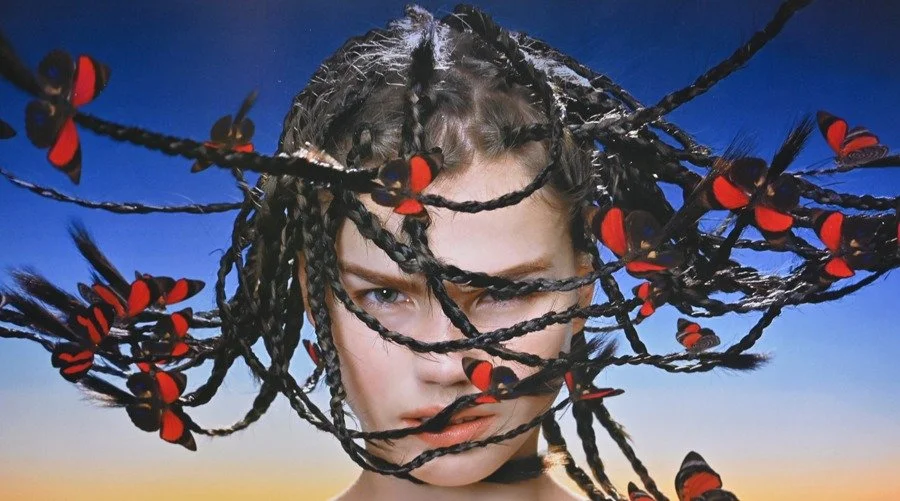
2002 Laforet campaign│© Nagi Noda
If we had to single out one standout relationship in Noda’s career, it would be the one with Laforet Harajuku.
For decades, Laforet has been at the heart of Tokyo’s street culture, supporting the development of youth fashion and independent labels, and standing as a testing ground for alternative styles.
For Noda, its seasonal advertising campaigns offered the ultimate opportunity to experiment with that identity. Her work for Laforet often brought fashion advertising to a level of extreme visual storytelling that was, and still is, rare to encounter today. Noda built her own strange little worlds around each upcoming season.
That’s the common thread running throughout her work, extending way beyond fashion. One of her most recognisable creations was Hanpanda, a series of hybrid characters combining pandas with other animals. Split in half, with their massive pitch-black eyes and long eyelashes, they linger somewhere between cute and eerie.
Japan has a long-standing mascot culture, including everything from regional yuru-kyara to commercial characters, which Hanpanda tapped right into. Only Noda’s approach resisted any of the clean, reassuring cuteness that usually comes with it. Her characters rather seemed to belong to a parallel universe.
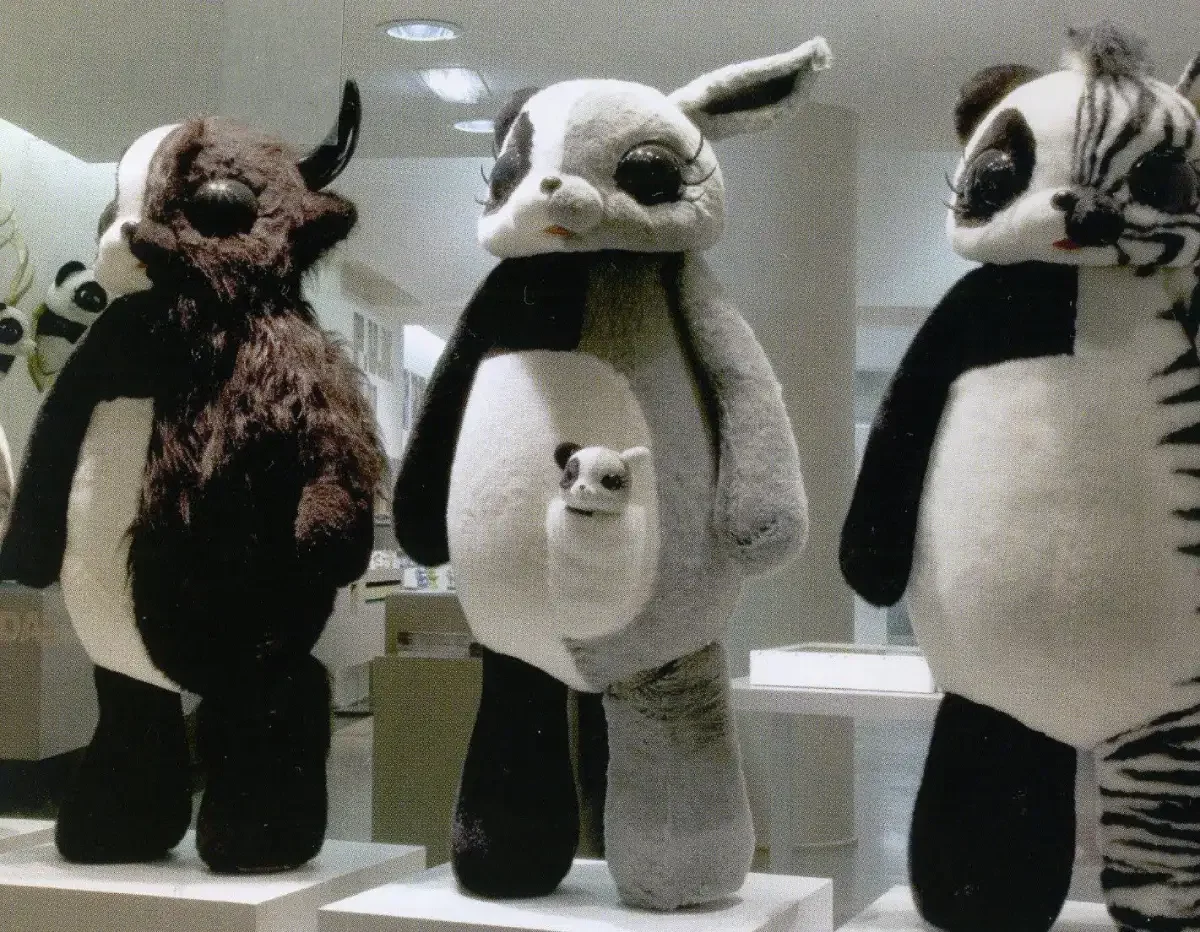
Hanpanda│© Nagi Noda
She moved between disciplines so easily, and to give that range of creativity a home, she launched her own company, Uchuu Country, in 2003, giving her greater freedom to pursue projects across different fields.
In 2004, Noda’s short film with the absurdly long title ‘Takahashi’s Fitness Video for Being Appraised as an Ex-fat Girl’ got released. It is an aerobics video standing as a word-for-word parody of 1990s American fitness guru Susan Powter’s first workout video. Hosted by California-born model and actress Mariko Takahashi, the video promotes a poodle-like body build as she works out with a bunch of actual poodles. It’s the prime example of how Noda always reshaped reality through her own mind, leaving us with more questions than answers.
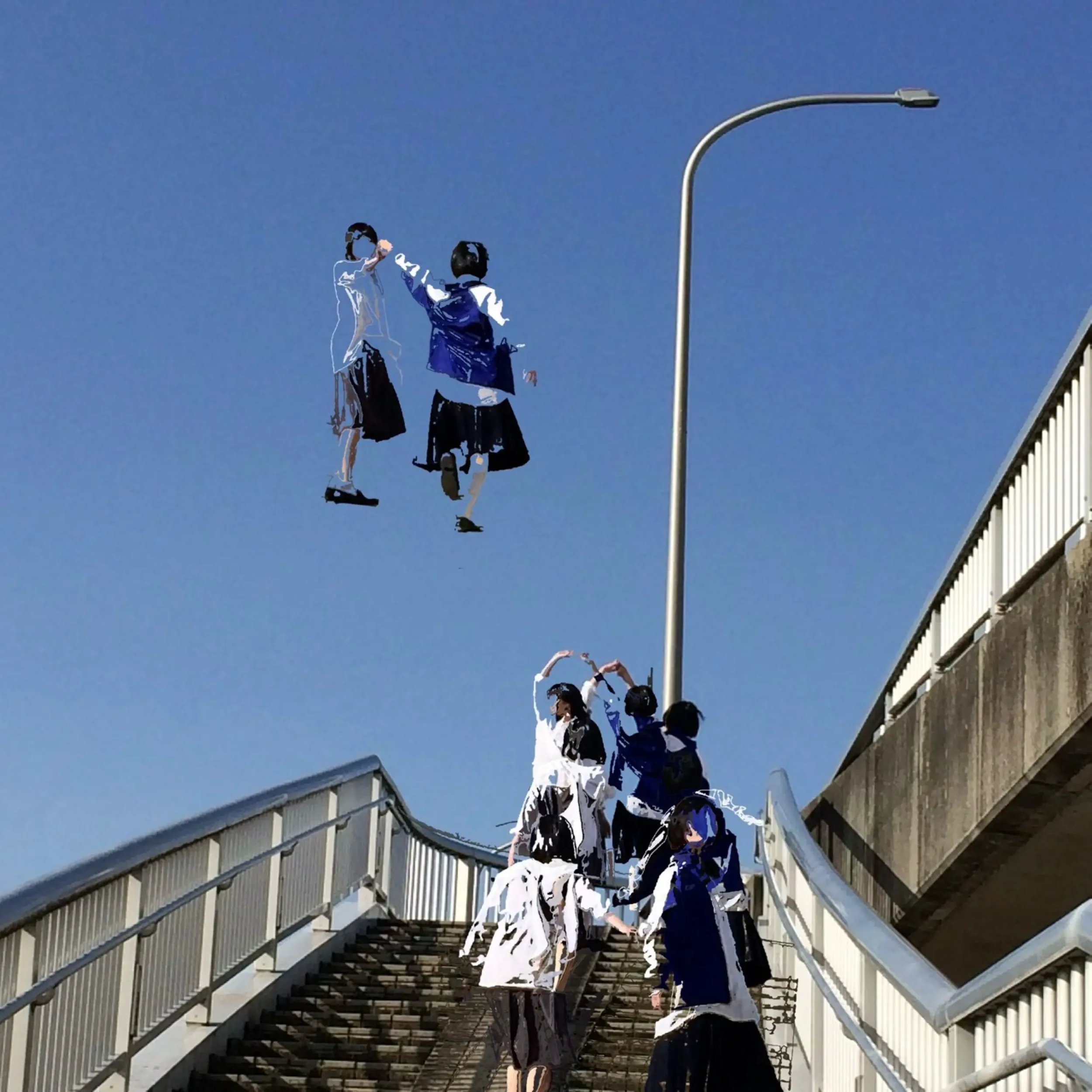
Noda also brought her unusual approach to music videos. In 2003, she directed the video for YUKI’s ‘Sentimental Journey’. Shot while Yuki was pregnant, the 5-minute-long film is built on an impressive piece of practical-effect mastery, including 90 look-alike performers creating the impression of people caught within a paused timeline. The whole concept was based around the concept of life’s ever-changing nature, a concept once again expertly executed in Noda’s own visual world.
Three years later, Noda revisited this approach, this time for Coca-Cola’s ‘What Goes Around Comes Around’ campaign. Soundtracked by Jack White’s Love Is the Truth, Noda recreated the effect of people stuck in the midst of time travel, producing one of Coca-Cola’s most underrated visual campaigns.
Even anime isn’t safe from Noda’s curious and winding mind. In 2005, Noda directed the opening sequence for the anime adaptation of Chica Umino’s manga Honey and Clover, a series that follows a group of passionate art college students. The production studio wanted an opening that screamed “art school project”, and Nagi Noda did them right. The iconic first opening sequence of Honey and Clover features rotating plates of surreal and creative food, a highly stylized piece of avant-garde animation.
But Noda’s creative output was never confined to moving images. Together with fashion designer and artist Mark Ryden, she created the label Broken Label. Although short-lived, Ryden’s signature big-eyed girls combined with Noda’s colorful ideas resulted in eccentric dresses and accessories, often steeped in red.
Another example was her series called Hair Hats, where she created over-the-top wigs based on different animals. Published close to her passing in July 2008, the concept was later popularized when Lady Gaga adopted Noda’s signature sculpted hair hat concept. Working alongside Shinji Konishi and Asami Nemoto, the hair stylists who brought Noda’s original concept to life, Gaga’s personal hair designer Charlie Le Mindu created Gaga’s pieces using Noda’s original techniques.
Whether constructing a wedding on a human tongue, populating Harajuku with half-pandas, or sculpting lions out of hair, Nagi Noda never accepted the ordinary as it was given to her. In a commercial landscape that so often plays it safe, she proved that advertising could double as radical, high-concept art. Her career was tragically brief, but her legacy lives on in every piece of visual culture that dares to be a little mischievous.
Trending articles

Step into the visual world of Nagi Noda.