
Yoshinao Satoh’s PAPERS - Collage Animation Before the Digital Age
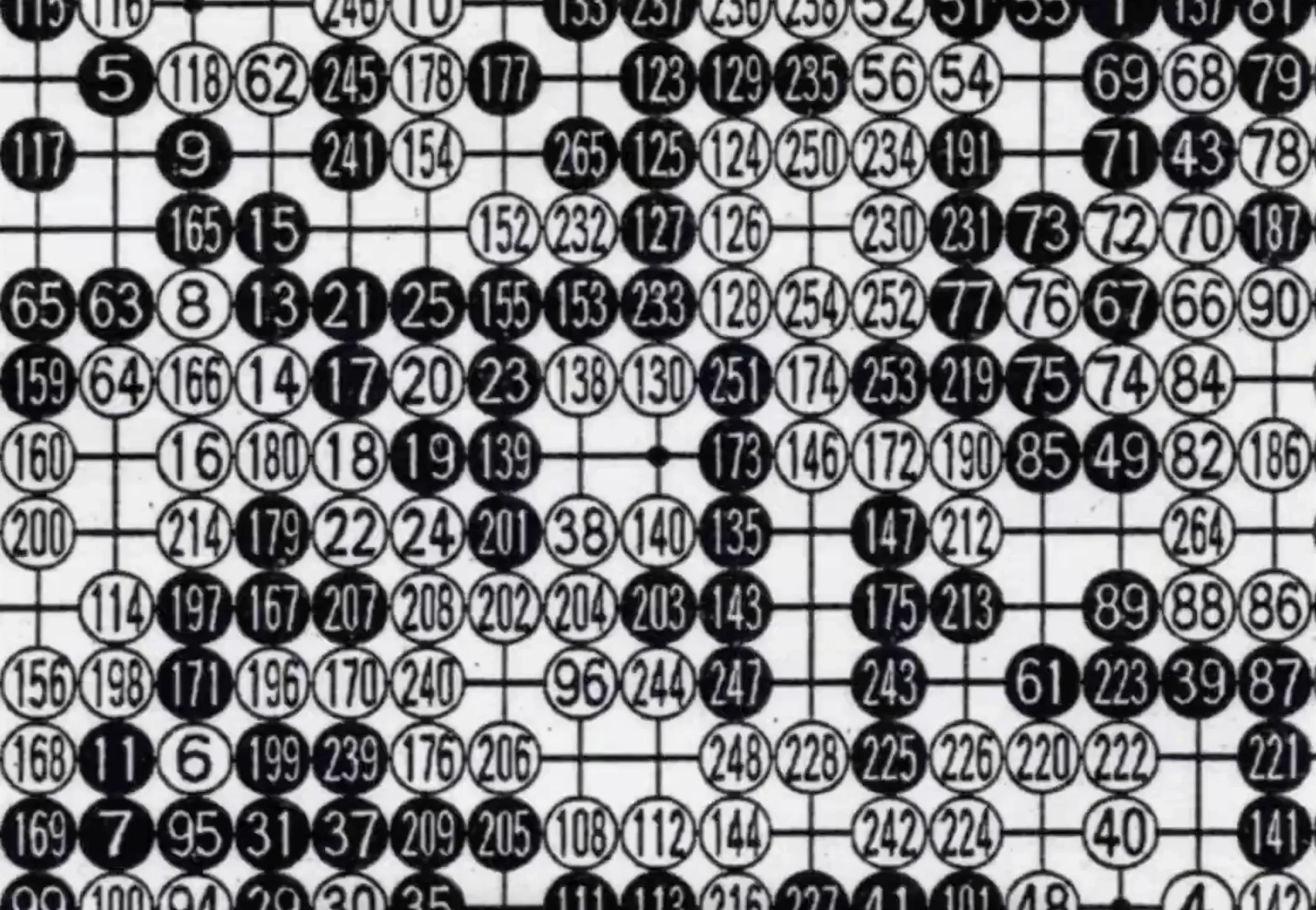
© Yoshinao Satoh
With each passing day, it becomes harder to differentiate AI creations from those made by human hands. Going back in time offers a nostalgic security of human connections. One artist who started out way back in the day created a unique piece of collage video art in 1991. ‘PAPERS’ is an early collage animation by Japanese video artist Yoshinao Satoh, produced at a time when independent animation in Japan was moving away from studio-based production and toward individual experimentation.
Satoh, a graduate of the University of Tsukuba’s Master’s Program in Art and Design, was working within a scene influenced by self-produced animation groups and experimental filmmakers when he started experimenting with collage art. His most referenced work ‘PAPERS’ was commissioned for a Japanese television program, which imposed clear limitations on time and resources. It pushed Satoh to rely on materials immediately available to him.
The animation is constructed entirely from newspapers, which Satoh cut piece by piece, rearranged, and animated frame by frame. Without following a specific narrative structure, its focus lies in the animation principle of giving movement to objects that are normally static, emphasizing the visual impact of motion itself.
We sat down with Yoshinao to ask him some quick questions about his work that is regaining attention today.
When and why did you first start creating collage video art?
It all started when I made my first animation ("RUNNING") in a video class at university. When I was a university student, there were several groups in Tokyo that made individual animations, and I was impressed by the work of a group called "Animation 80."
I learned that animation doesn’t have to be a group effort and can also be created by individuals. I also became deeply interested in the work of filmmakers Nobuhiro Aihara and Canadian director Norman McLaren. As for commercial films, "KOYAANISQATSI" really stimulated my brain as a student. I'm not good at drawing, so I create animations using photographs and photocopies of photographs as materials.
What was the feeling and mindset behind your work ‘PAPERS’? In other words, what message were you trying to convey?
‘PAPERS’ was not created with a specific message in mind. It was made for a Japanese television program (titled "EBIZORI KYOSYOH TENGOKU"). Due to the nature of television, I was given very little time for production, and I had no choice but to use newspapers that I had piled up around my room as animation material. I first searched through the newspapers for "material that might move."
I then extracted elements such as the phases of the moon, shogi pieces, people's faces, weather forecasts, and text, and used my own method to express the animation principle of giving movement to things that do not move. Perhaps the use of the word "war" gave the work a certain intention. What I wanted to convey to the audience through ‘PAPERS’ was simply "the surprise of seeing movement in still objects that we see every day."
‘PAPERS’ was created in 1991. How has your work evolved since then?
First, by fixing the shape near the center of the screen and moving the periphery, I aim to simultaneously express a sense of unity and instability in the video.
Secondly, by moving objects that people see every day, I aim to bring a sense of familiarity to the footage, while at the same time, by adding surprising movement, I aim to give the images a sense of surprise and exhilaration.
These two points are the concepts that have been incorporated into my work since ‘PAPERS.’ I will never forget the surprise I felt when, in my youth, I projected the 8mm rushes of ‘PAPERS’ onto the white wall of my small apartment. I am always conscious of ‘PAPERS’ when creating my work and strive to achieve new forms of expression that go beyond ‘PAPERS.’
Check out Yoshinao Satoh’s other work on his Youtube channel
Trending articles



SEVESKIG embraces the Wired world of lain.