
What Japan’s Elderly Teach Us About Dressing for Ourselves
Yutaro Saito’s Street Fashion Journal

© Yutaro Saito
Today’s fashion world is obsessed with the new, as half the stuff on the racks is designed to be obsolete before you’ve even worn it twice. But Tokyo-based photographer Yutaro Saito has his lens locked on something different, something with wrinkles, tons of wisdom, and a wardrobe curated by personal stories and experience.
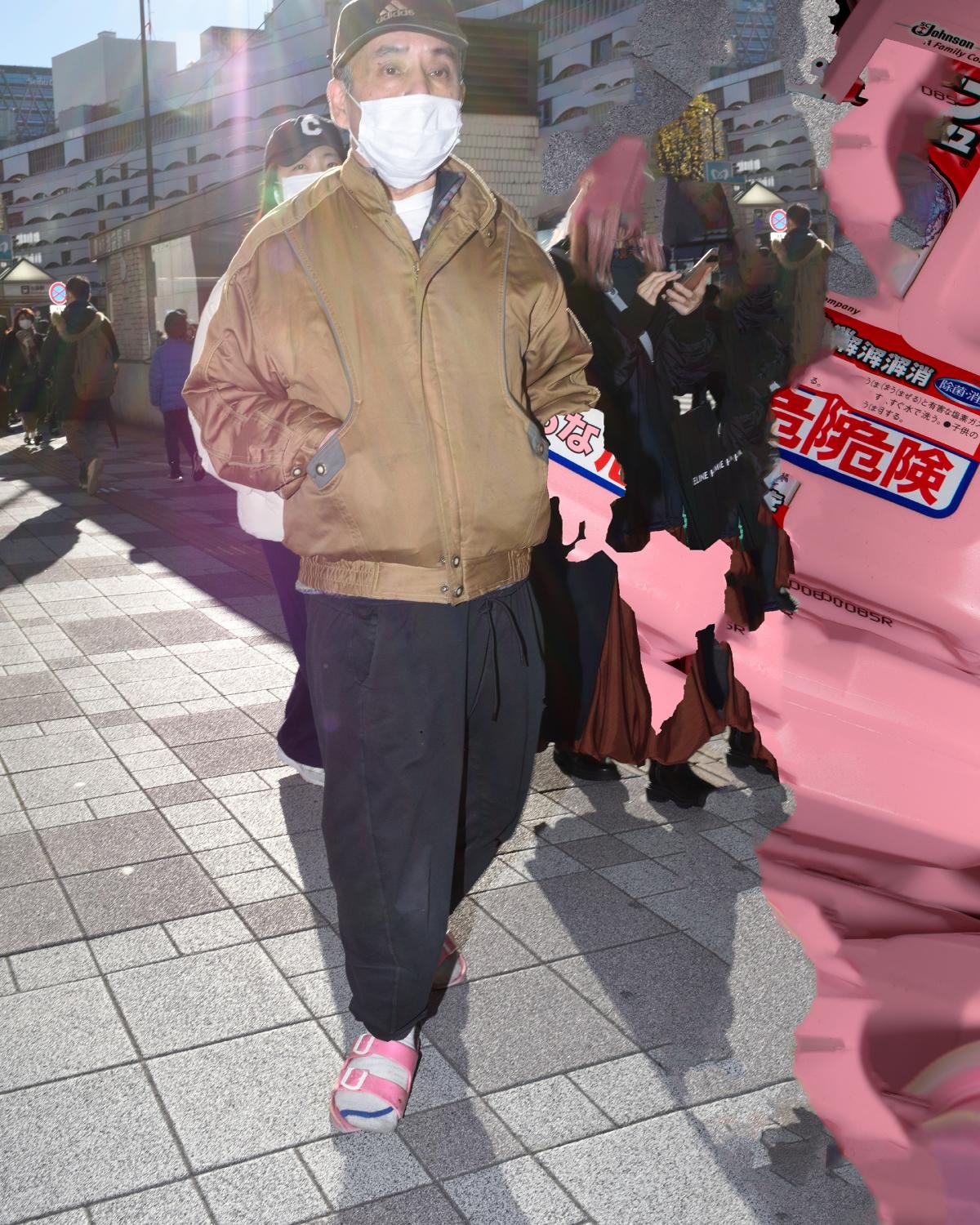
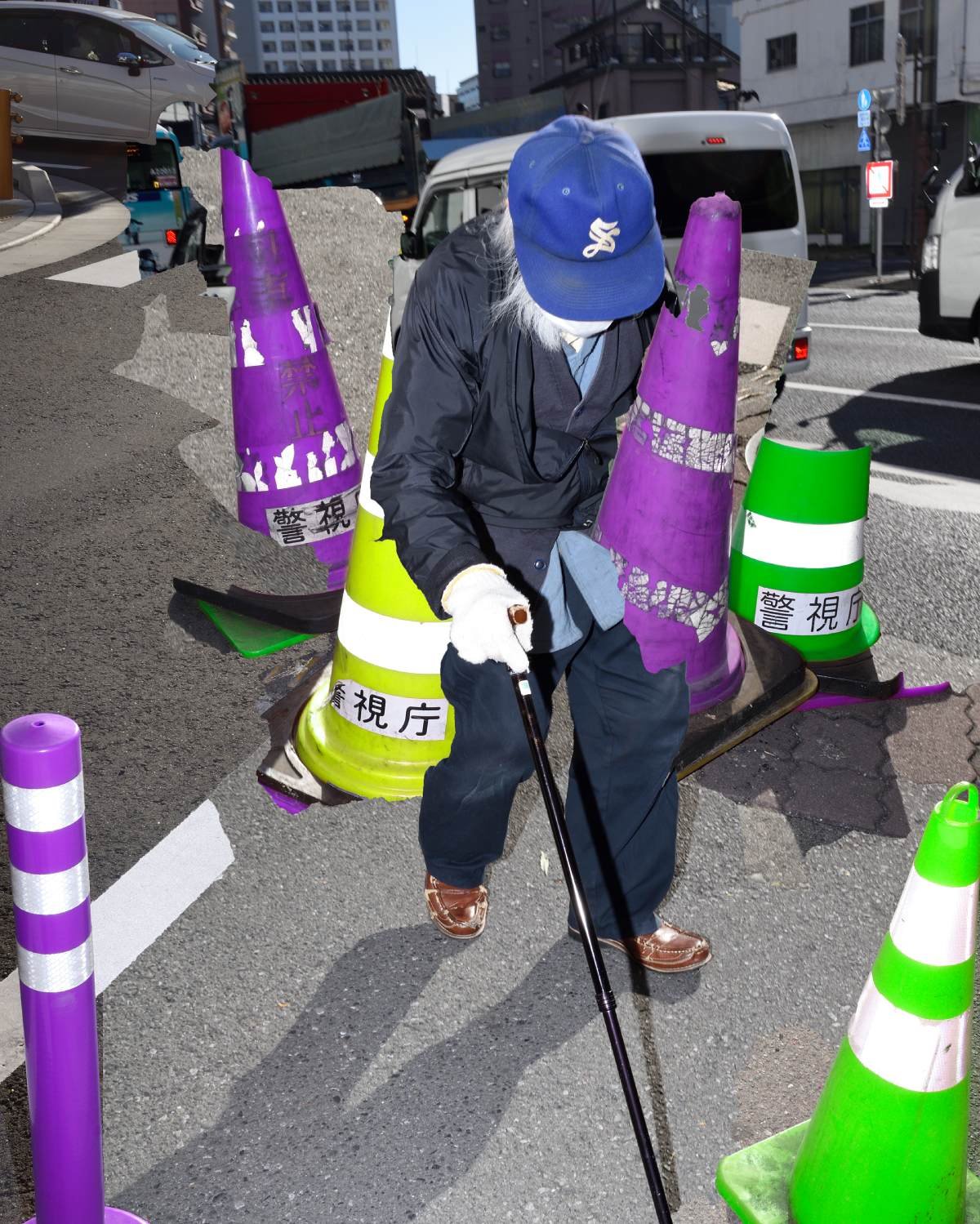
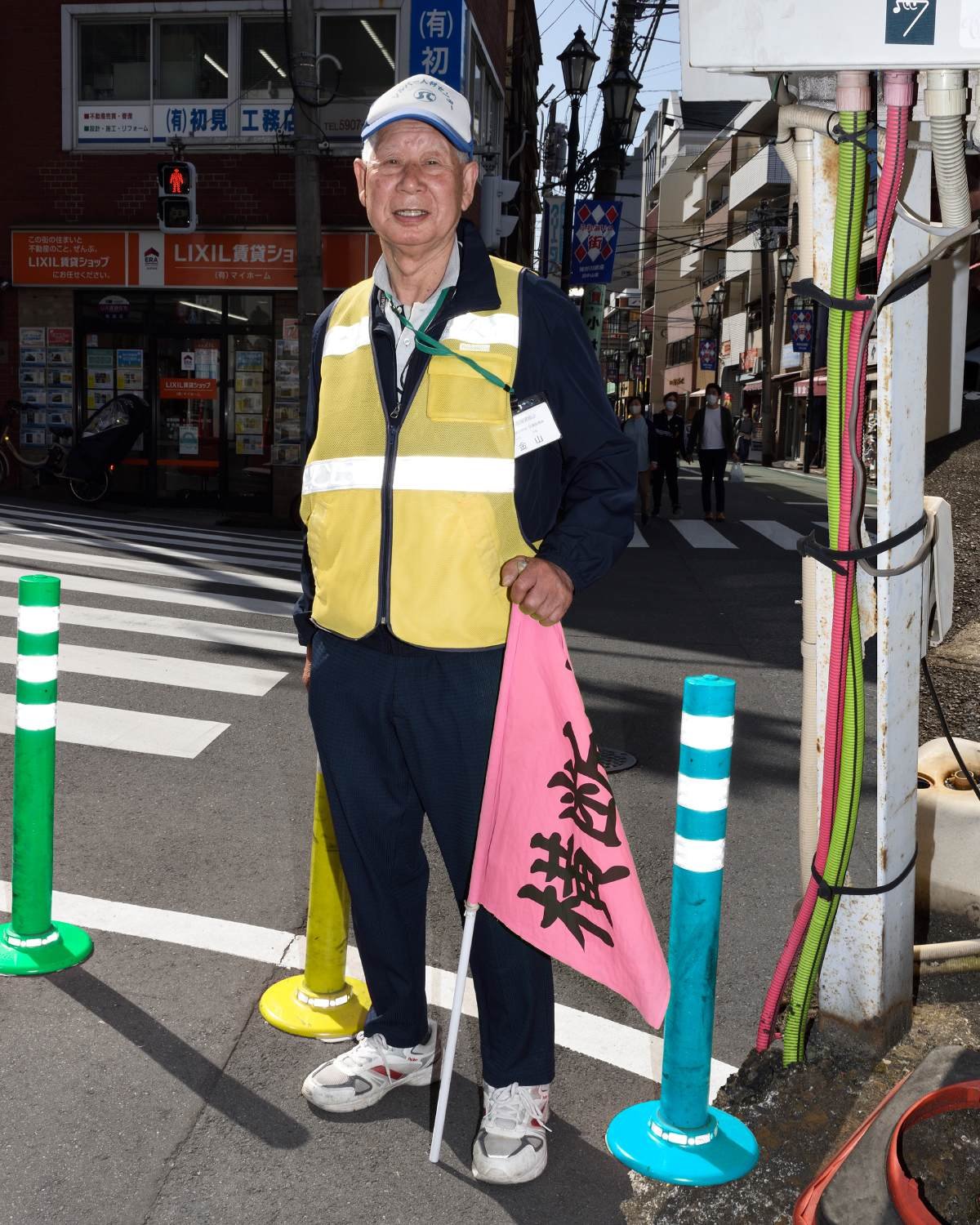
His book NOT PLASTIC FASHION ignores any of the latest hypes or drops, but rather zooms in on the kind of style that doesn’t try nor care, yet somehow looks more real than any outfit on Paris Fashion Week. The elderly of Japan, with their well-worn coats, decade-old shoes, and outfits chosen for pure function and history, embody a fashion philosophy that’s almost rebellious in its authenticity.
Through 20’s STREET STYLE JOURNAL, an ongoing project spanning photo books, interviews, and exhibitions, Yutaro Saito explores what fashion really means when there’s no one left to impress. We had a chat with Yutaro, as he breaks down why Japan’s older generation might just be the most stylish people you’ve never noticed, what yakuza films have to do with it, and why we should all be taking fashion tips from ojichans on the street.
Who is Yutaro Saito?
I'm a photographer based in Tokyo, Japan. I started to take photography seriously when I was 25, and published my first photo book, 20’s STREET STYLE JOURNAL #1 NOT PLASTIC FASHION when I was 27.
My main project, 20’s STREET STYLE JOURNAL focuses on the fashion of the 2020s, aka the fashion of our contemporary era. It aims to present fashion through a philosophical approach or through subjects that are often overlooked, showcasing fashion that cannot be found in media like fashion magazines or fashion-focused web platforms that highlight the latest trends and styles.
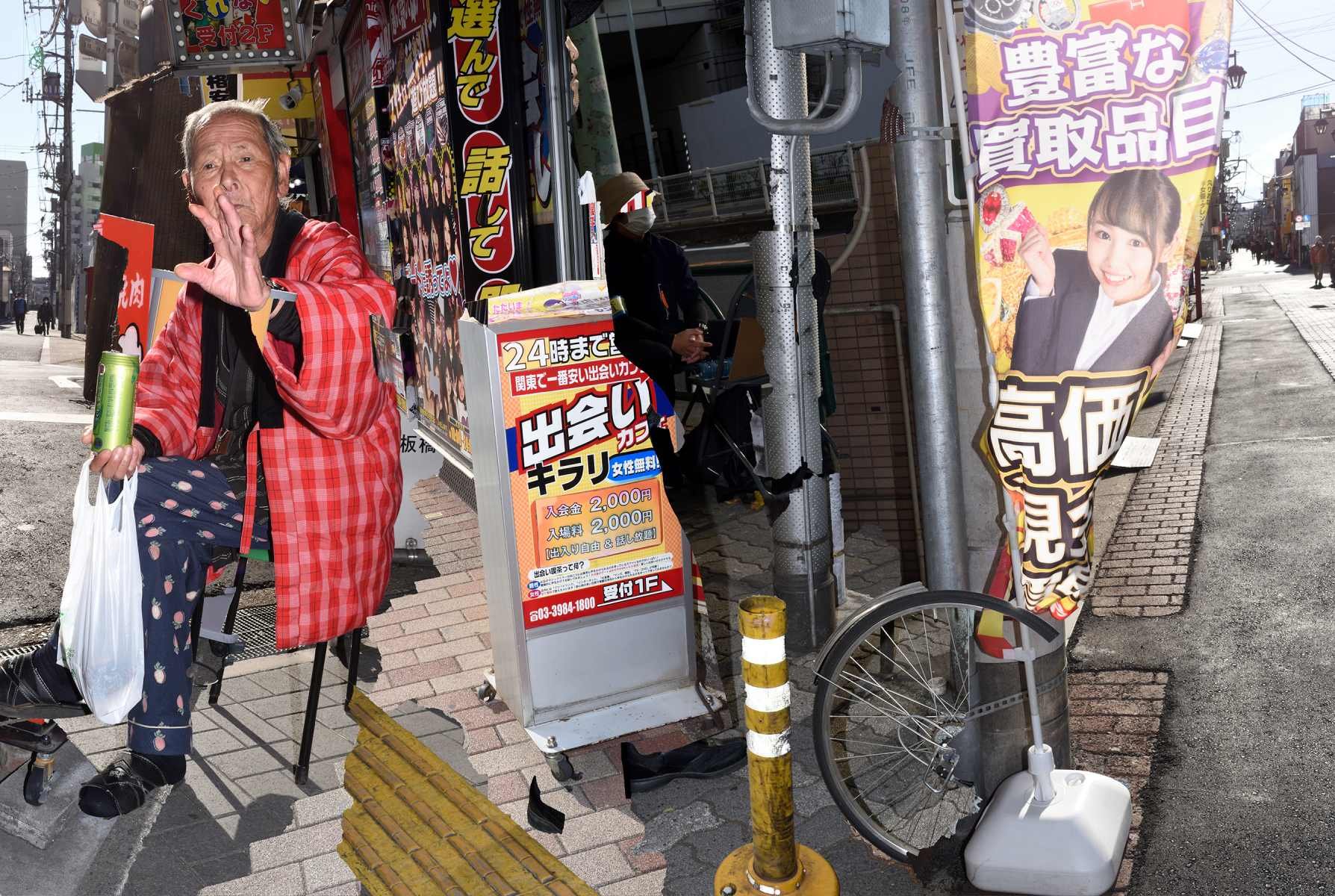
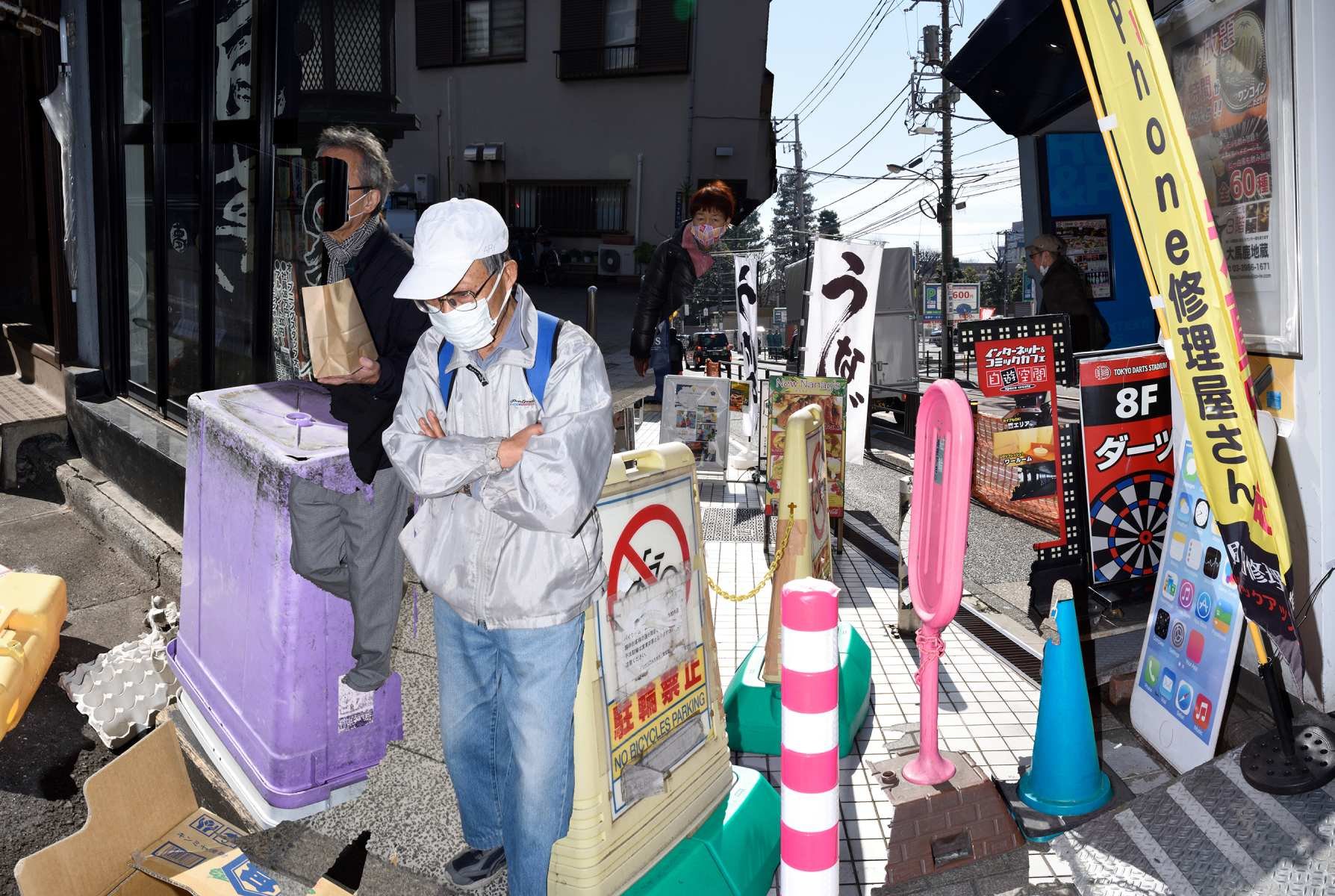
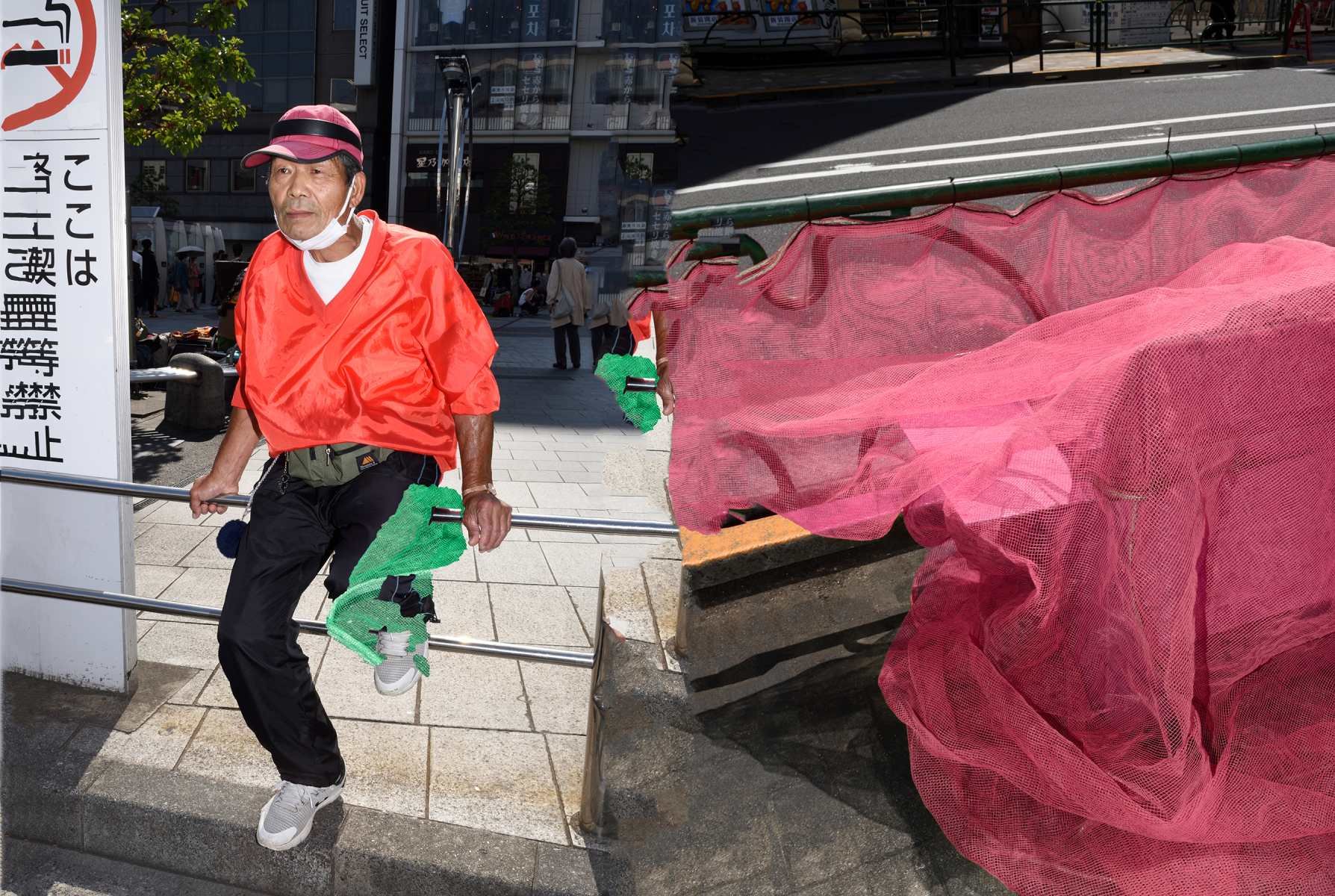
A lot of your photography focuses on the elderly, why did you choose to highlight this part of society?
I've long been drawn to how value gets assigned to things, why certain objects, images, or people are considered special while others aren't. Separately, I've always loved Japanese Yakuza films, the behavior, fashion, facial wrinkles, and sweat on the foreheads of middle-aged to elderly members carry a kind of weight that felt different from what I saw in mainstream fashion media. With this mindset as a foundation, I often found myself observing the fashion of elderly men in the streets.
At 25, when I decided to seriously pursue photography, I already had this interest. Elderly men felt like a natural subject to explore it through. But other photographers had already taken a similar approach, so I spent time reflecting on why I was drawn to this subject in the first place, rather than simply repeating what had been done before.
Through interviews and continued observation, I started noticing that their fashion often felt "self-oriented" in a way that contrasted with how fashion usually operates, as something largely shaped by the gaze of others. That contrast became the starting point for "NOT PLASTIC FASHION," a project that's less about arriving at a conclusion and more about continuing to ask what fashion looks like when it isn't performed for anyone.
What role do you think fashion plays in the life of older people?
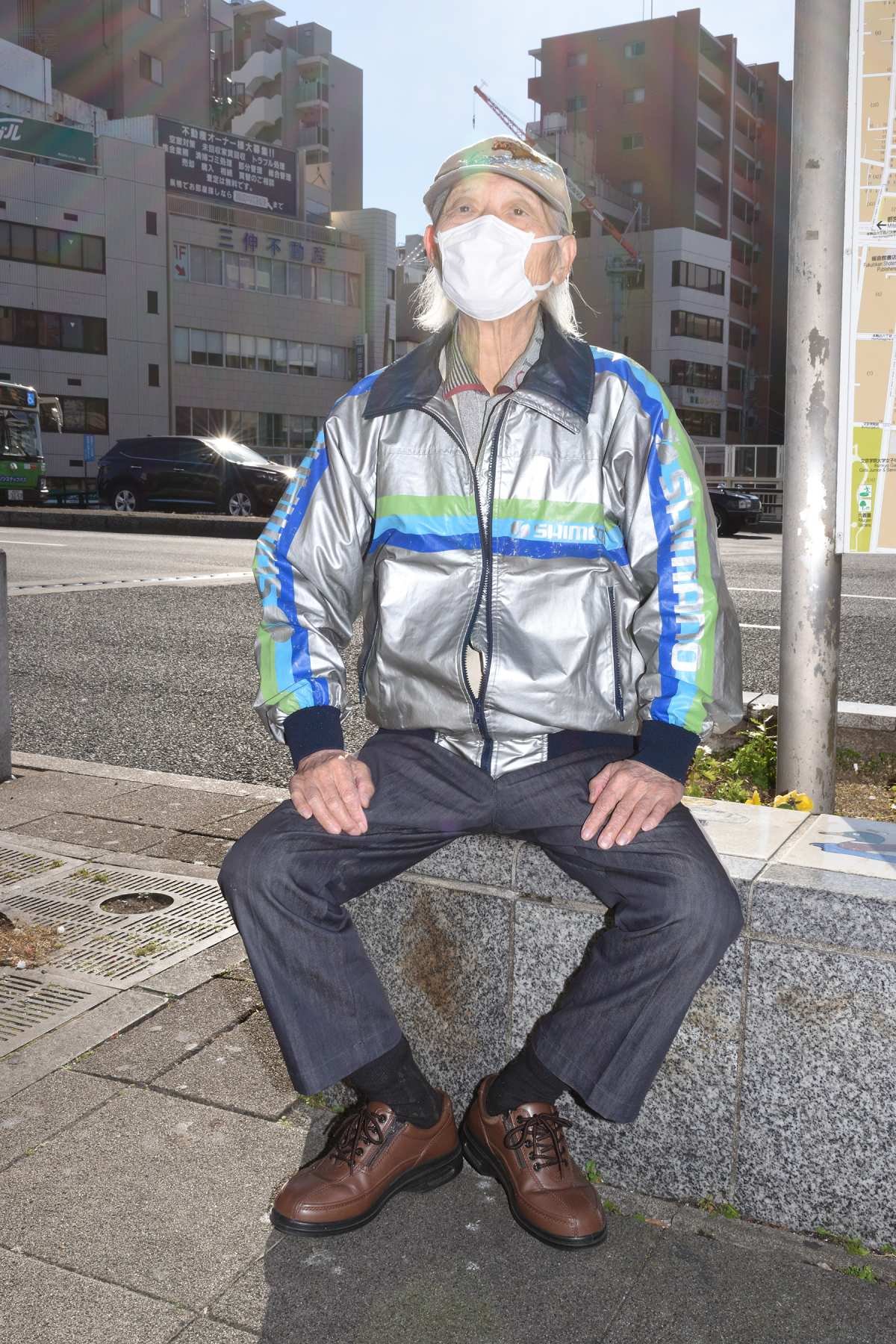
For them, clothing is simply functional and not something to flaunt. Of course, there are exceptions. For example, someone might wear Crocs even in winter because they can’t fit regular shoes due to swollen feet, or a person practicing Iaido (居合道, martial arts) might tie the obi of their uniform (道着) around their waist over their casual cotton pants for extra support after injuring their back. Some might wear a headband over their cap to prevent it from flying off in the wind.
These fashion choices may appear quite stylish and interesting depending on the perspective, but they are not choices for the sake of others. Instead, they are rooted in their own bodily functions, daily convenience, and personal needs, reflecting a fashion that is truly self-oriented.
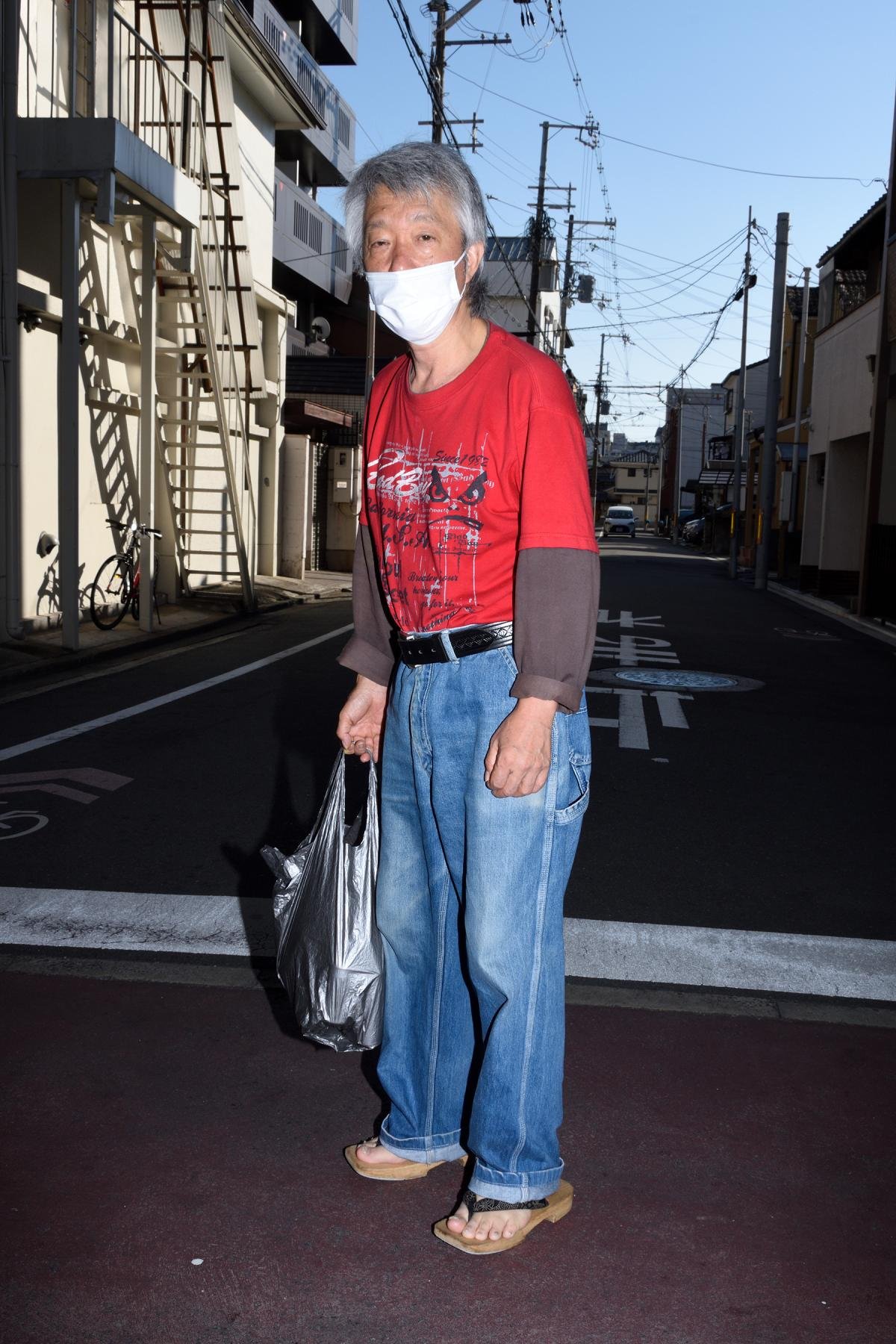
In NOT PLASTIC FASHION, you explore consumer culture’s superficiality—did you find that the older generation sees fashion and consumption differently?
For fashion, I say Yes.
When conducting interviews, I often meet elderly men who have been wearing the same clothes for ten, twenty years, or even longer. While this may reflect the value of taking care of their belongings, I frequently hear them say that, unlike when they were younger, they no longer worry about their clothing.
As they age, get married, and experience a decrease in sexual desire, the need to constantly change clothes like young people, who treat fashion like a dress-up game, may no longer be necessary.
If the act of 'consumption' in society has an aspect of serving as a communication tool with others, then in the realm of fashion, which is strongly a tool for communication with others, I believe the changes in values due to aging are particularly profound.
Also, I made an interesting discovery regarding the difference in values toward fashion consumption between me and the elderly men. I was talking to one elderly man, and when I told him that the pants I was wearing had been in my wardrobe for about six years, he said, “You can’t get your money’s worth unless you wear them for that long.”
Young people today, who are sensitive to trends, tend to prioritize the lifespan of fashion trends over the actual durability of the clothing. Moreover, with the development of flea market apps like Mercari, people can now sell their clothes for higher prices than before, and to sell them at a higher price, it’s actually better not to wear them too much. If you buy expensive clothes, you can wear them and still sell them for a high price, then use that money to buy more clothes. In a way, we live in an era where clothing is like an endless subscription service.
As someone living in this modern system, the idea of getting your money's worth from clothes was quite a refreshing perspective to me.
Follow Yutaro Saito on Instagram
Trending articles




Saku and Sorao Sakimura bring Hatsune Miku to life in new MV.