
PARCO let’s Paprika’s Iconic Dream Parade Spill Back Into Tokyo
© Madhouse
There are few animated films that feel as inseparable from Tokyo as Paprika. Satoshi Kon’s cult classic that attempts to dive into the logic behind dreams, understands Tokyo’s psychological rhythm like no other. The city’s density, overstimulation, calmth, anxieties, all mixed together. Nearly twenty years after its release, Kon’s final completed feature still feels uncannily current. Well, perhaps now even more so, as we find ourselves in an era where the blur of reality and simulation is becoming part of daily life.
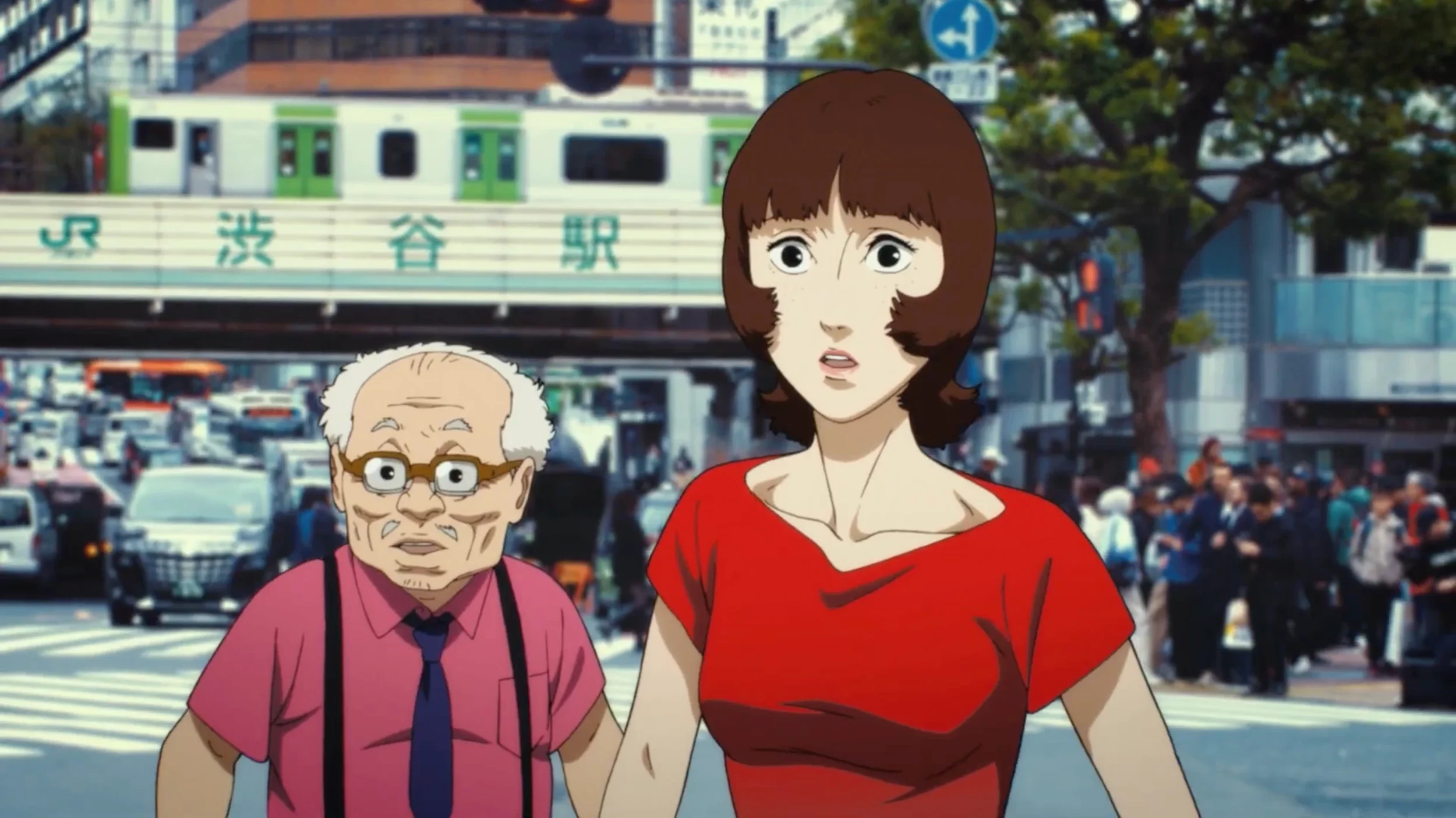
This winter, that boundary is tested again. For PARCO’s annual Grand Bazar event, the iconic dream parade from Paprika has been released into the streets of Tokyo itself. In a collaboration with Madhouse, the iconic scene got digitally layered over live-action footage of Tokyo.
To understand why this collaboration works, you have to look beyond surface-level nostalgia.
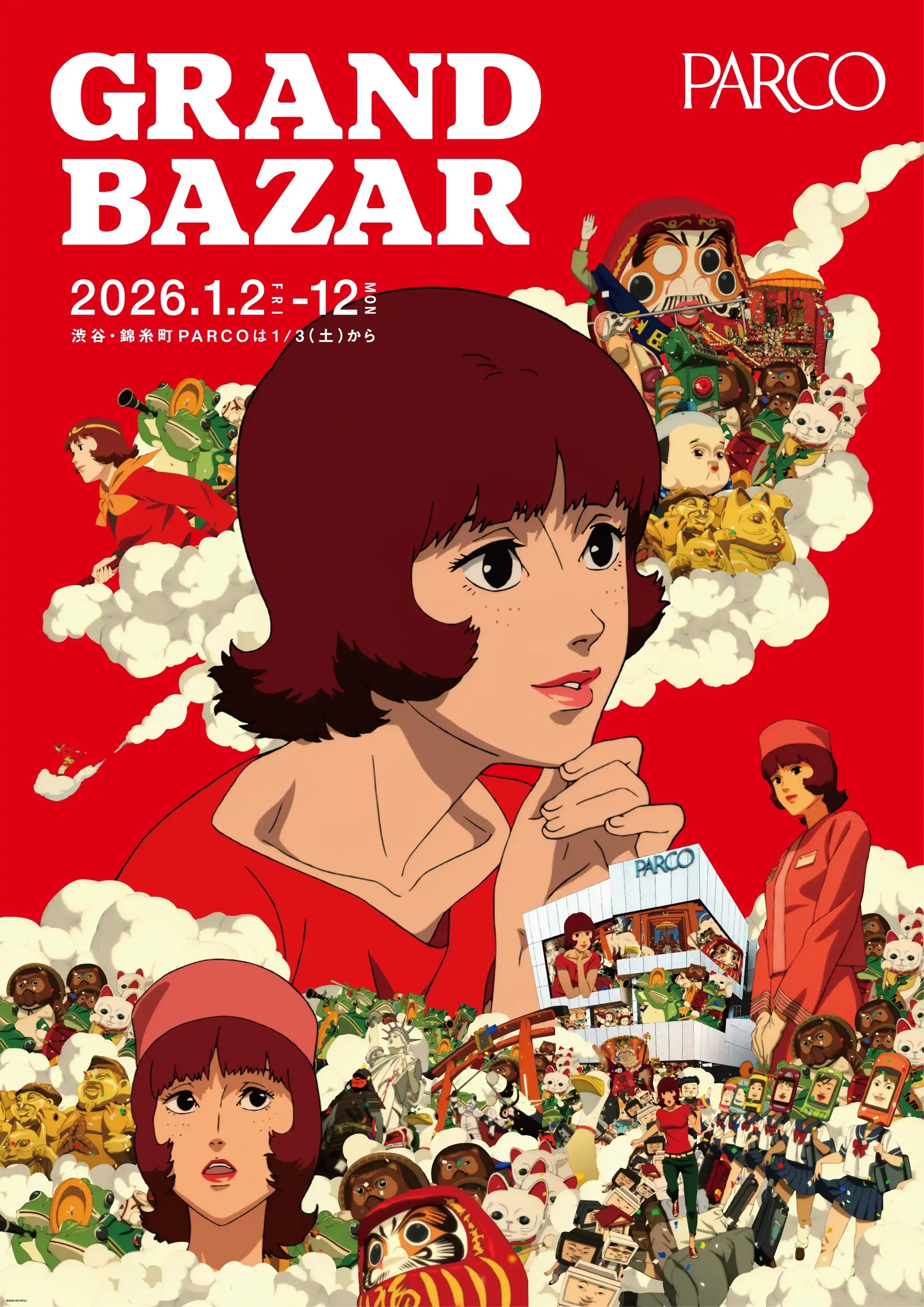
The Collaboration Between PARCO & Paprika
Released in 2006, Paprika arrived at the tail end of Satoshi Kon’s career, synthesising many of the ideas he had been refining since his previous works. The film’s now-famous parade scene, an uncontrollable procession of objects and symbols, has since become one of the most enduring images in Japanese animation.
That this scene is now reinserted into Tokyo’s streets, almost two decades later, is only proof of PARCO’s dedication to culture since the 1970s. It is commercial, undeniably so, but it has consistently functioned as a cultural intermediary. From early experimental advertising by Eiko Ishioka, to its deep ties with cinema, fashion, music, and subculture, PARCO has often acted as a curator of zeitgeist.
Its relationship with film in particular runs deep. CINE QUINTO’s support of independent screenings, and its willingness to foreground directors and creative voices point to a broader philosophy: commerce as infrastructure for culture, not the other way around.
Within that lineage, Paprika feels like a natural collaborator. Not only because it’s a popular cult classic, but because it is unresolved. Kon’s work resists closure and comfort, qualities that rarely sit easily within retail environments. The newly released Grand Bazar visual takes this tension seriously as the collaboration places its dream logic directly into real urban footage.
How PARCO’s Grand Bazar Re-introduces Paprika
Aside from the renewed Paprika visuals, PARCO takes the collaboration one step further by creating physical collaboration pieces. Some of the most effective items are also the smallest. Lenticular bookmarks, available at participating restaurants and cafés in PARCO’s all over Japan, which shift their images as they’re tilted as a clever wink to Paprika’s obsession with unstable perception.
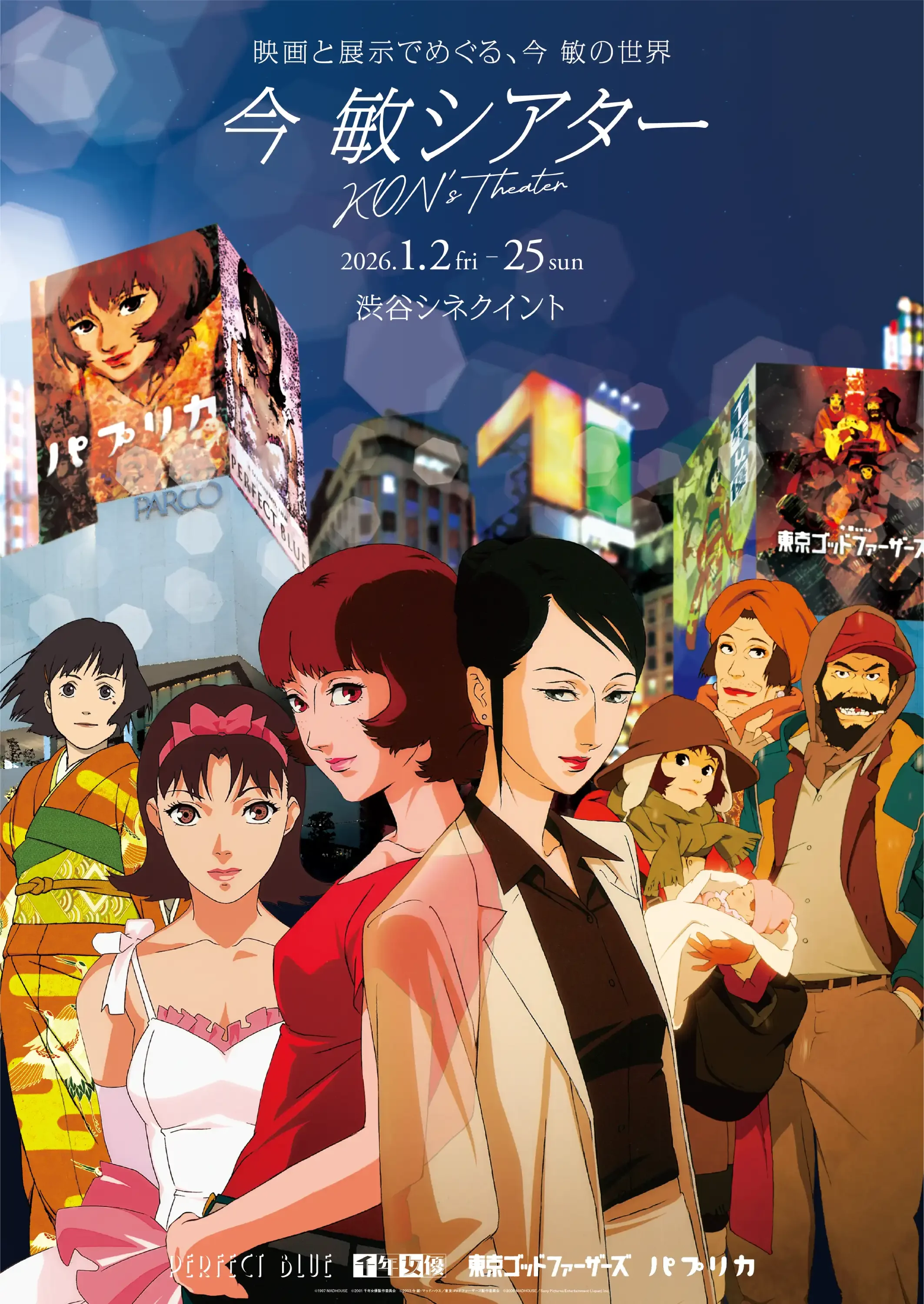
And by now you should know that PARCO doesn’t stop there. At PARCO’s CINE QUINTO, Paprika is screened alongside Perfect Blue, Millennium Actress, and Tokyo Godfathers as part of a Satoshi Kon program, while WHITE CINE QUINTO hosts a 4K remaster screening of Paprika itself. The collaboration extends further into sound at QUATTRO LABO, where limited-edition drinks are served in a space filled with Susumu Hirasawa’s music, reinforcing how central his compositions are to Kon’s work.
© Madhouse
A Tribute to Kon
The maestro never lived to see Paprika reach its twentieth anniversary. Yet, Satoshi Kon’s work continues to surface precisely because it was never tied to its moment. By allowing Paprika’s dream logic to briefly overtake Tokyo again, PARCO is acknowledging an ongoing conversation between the director’s work and the city. For a short winter stretch, the Paprika parade returns as a reminder of how deeply Satoshi Kon’s work is woven into Tokyo’s cultural fabric.
PARCO’s Grand Bazar
January 2 - January 12, 2026 (*From Jan 3 at PARCO Shibuya & Kinshicho)
For more info visit parco.jp/gb2026winter or visit PARCO’s Instagram
Credits
©2006 MADHOUSE / Sony Pictures Entertainment (Japan) Inc.
©1997 MADHOUSE
©2001 千年女優製作委員会
©2003 今 敏・マッドハウス/東京ゴッドファーザーズ製作委員会
©2006 MADHOUSE / Sony Pictures Entertainment (Japan) Inc.
Trending articles



Saku and Sorao Sakimura bring Hatsune Miku to life in new MV.