
How SOSU Is Rebooting Digital Nostalgia
© SOSU
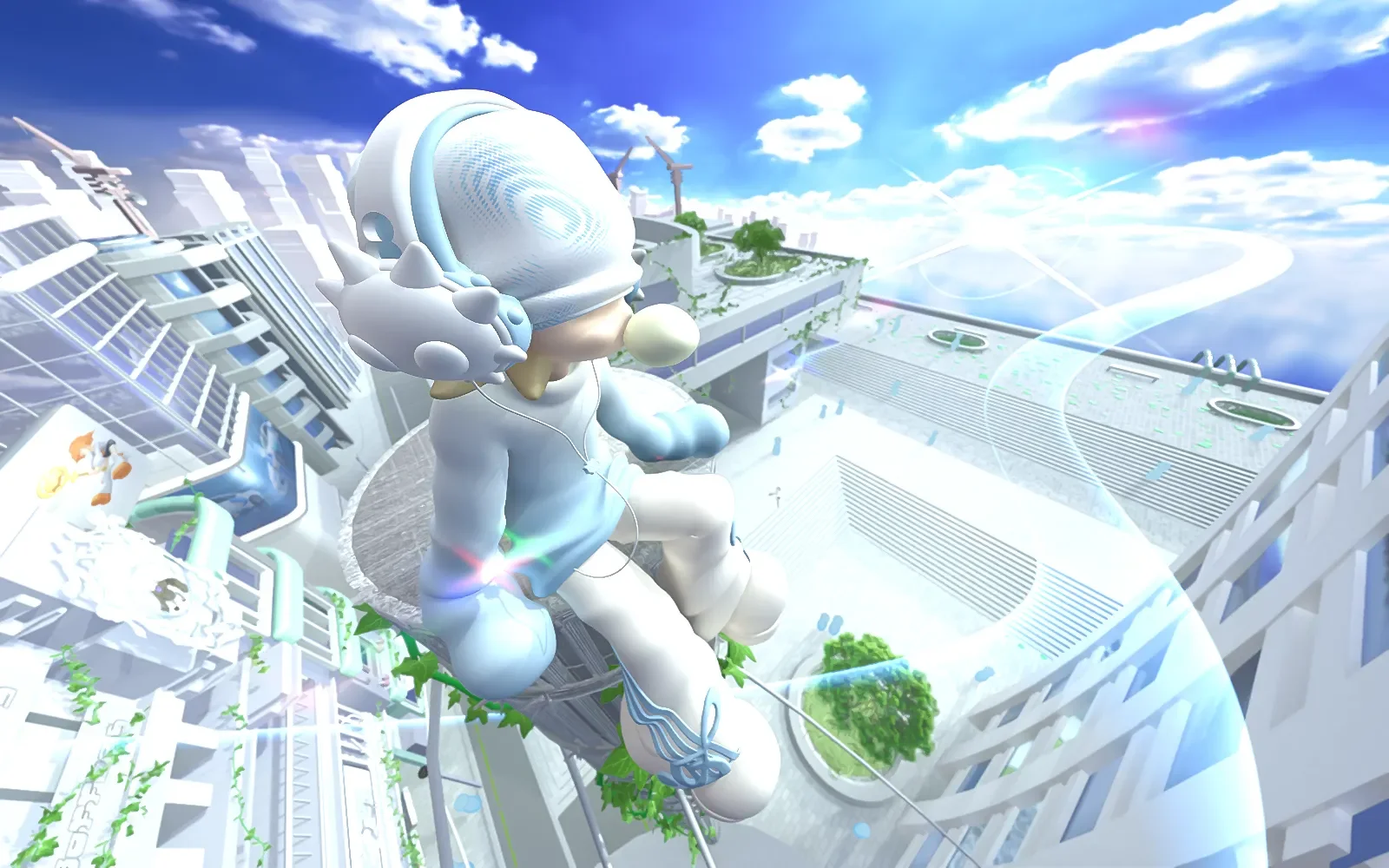
We didn’t know what to make of SOSU when we first encountered their work. Did we miss a Y2K makeover of Splatoon, or stumble upon an upcoming apparel brand? We came across massive charms, pop-ups, animations. The deeper we dug, the more we realised this duo was creating a universe we needed to learn more about.
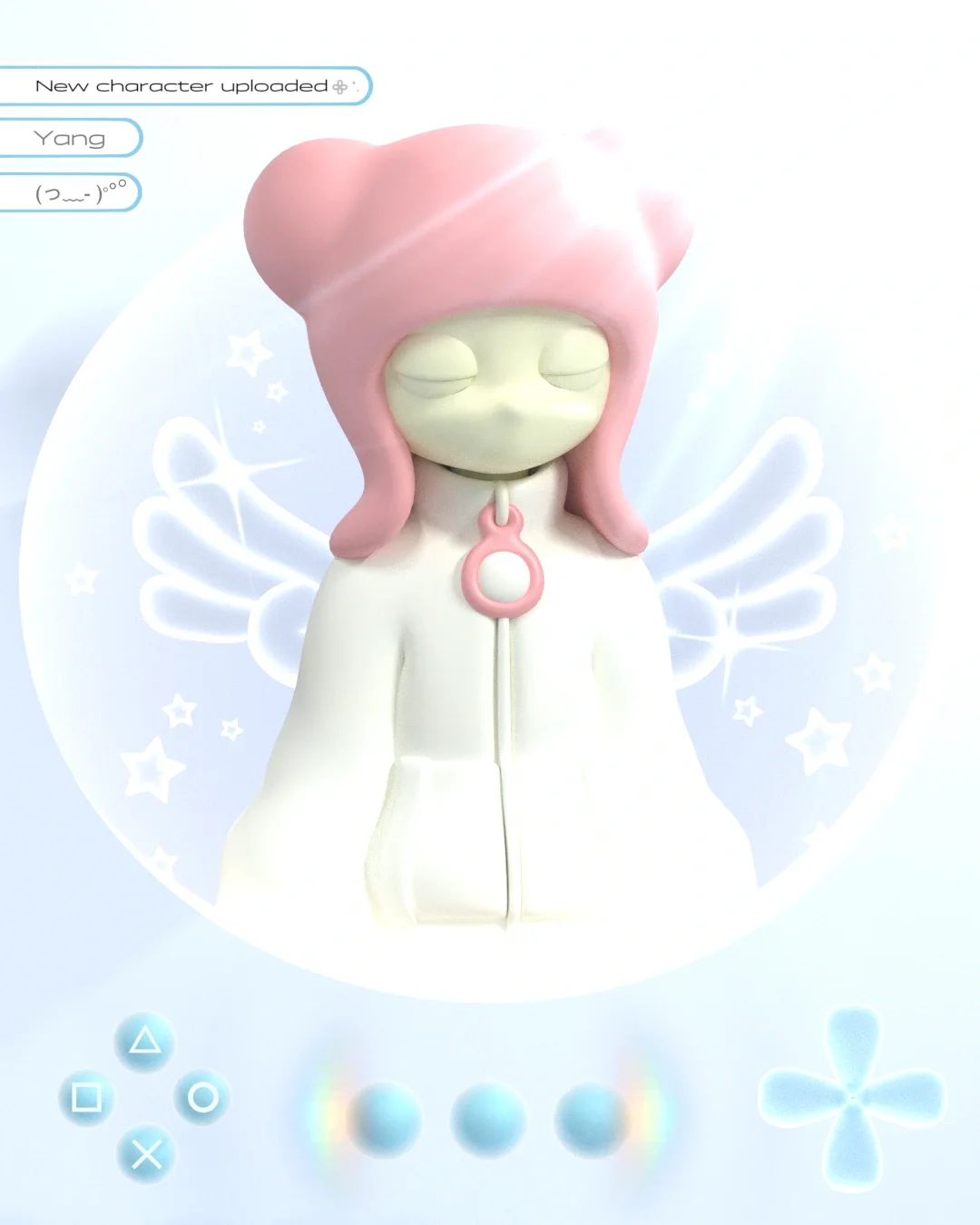
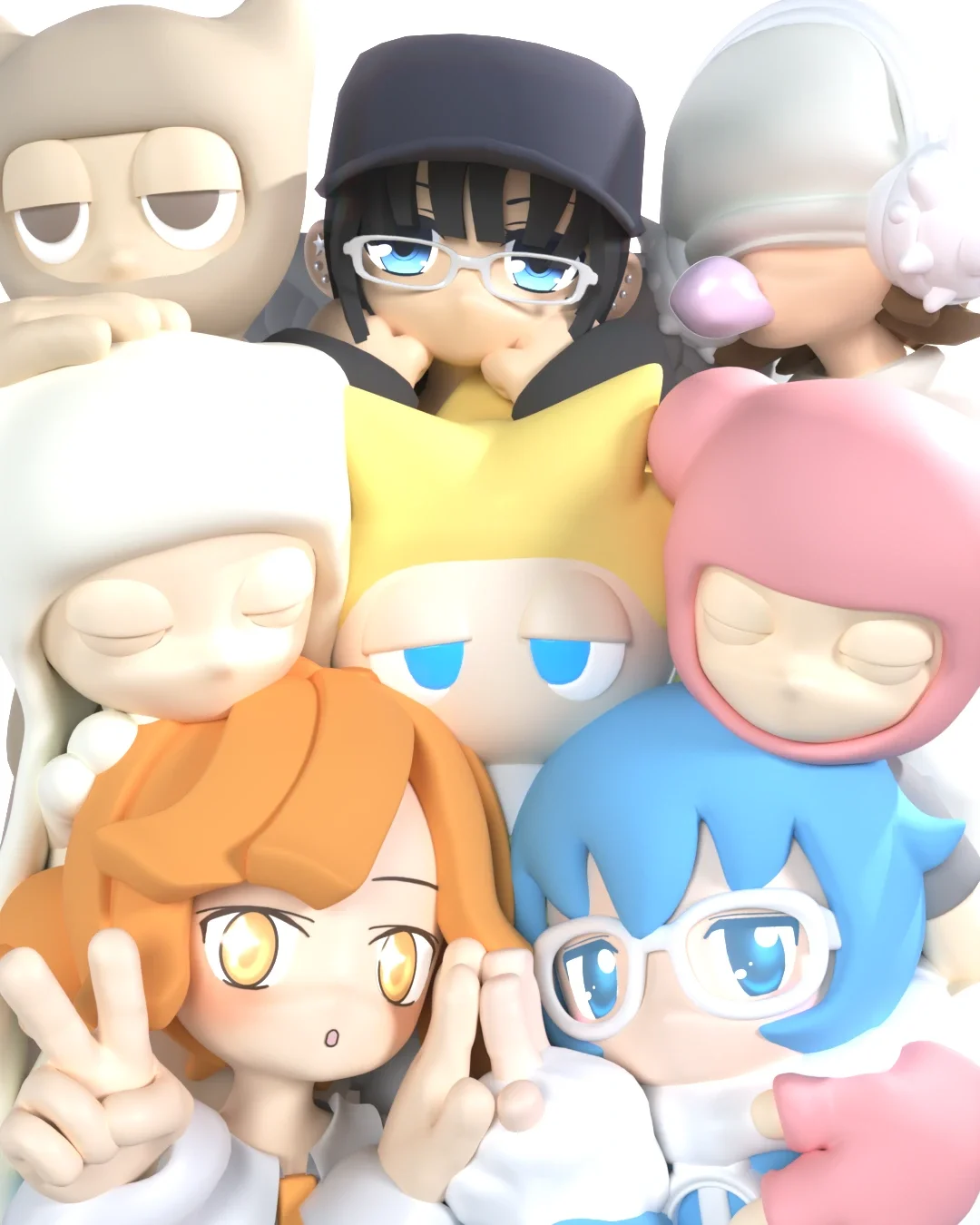
SOSU is the project of two creators who have spent years absorbing the visual languages of games, manga, anime and fashion that shaped their youth. At the core of SOSU’s world are its sleepy-eyed characters, who might be difficult to read at first, until their outfits tell the story.
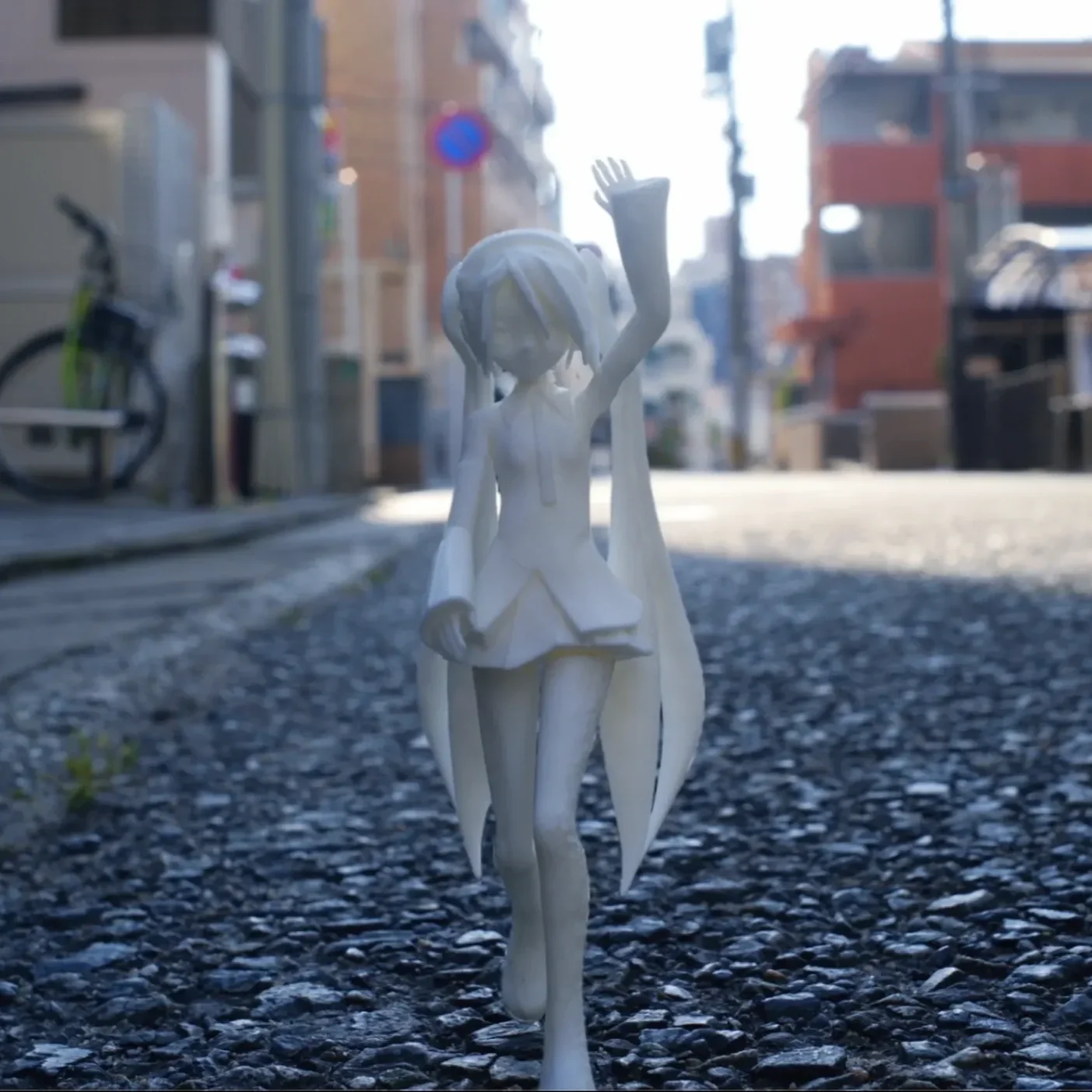
Their world is not fixed, nor are their characters. Even the methods used to bring them into existence remain open. Moving between digital and physical realms, 3D printing allows the two creators to move quickly from an idea to a physical object.
We spoke with the two creators behind SOSU about the influences that shaped their visual language, why their characters always seem so tired, and what it means to create a universe while still figuring out what that world is.
© SOSU
For someone discovering SOSU for the first time, how would you describe its world?
SOSU is a project where the two of us create characters and the world they live in, and explore different ways of expressing that world.
The world of SOSU wasn’t fully defined from the beginning, with every detail and piece of lore already decided. As you can see if you scroll back through our Instagram to the earliest posts, the world has gradually grown and taken shape through our work on animations, figures, fashion pieces, and other creations.
What kinds of things have influenced the world of SOSU? And how did SOSU’s distinctive aesthetic and style come about?
The world of SOSU is heavily influenced by the culture we’ve encountered over the years. Games, manga, anime, fashion, and so on. We look at a lot of contemporary work too, but we’ve been particularly influenced by things from the late 2000s and early 2010s.
Rather than directly recreating the works or genres we like, we take the things that appeal to us within each of them, the atmosphere, colors, design elements, and bring them together in our own way as we try to create something new.
We share the belief that we want to make things that only SOSU could create. So rather than simply making what we can already imagine, we try to reach a few steps beyond that. Through this ongoing process, the world of SOSU and the range of things we create have gradually expanded.
Many recurring characters appear throughout your work. What kind of beings are the characters who inhabit the world of SOSU?
The characters are the core of SOSU. Everything we create revolves around them, and they form the foundation of the world itself.
Originally, the characters were more strongly approached as designs. But now that the world has gradually begun to take shape, we think of them less as designs and more as inhabitants of the world of SOSU.
We have a general sense of what each character might be like. But at this stage, we haven’t defined detailed personalities, stories, or roles for each of them.
As we continue creating animations, figures, and other works, we think the relationships between the characters and their personalities will gradually reveal themselves. In a way, we’re also discovering what kind of inhabitants they are ourselves as we continue making things.
© SOSU
Many of the characters often appear to be sleepy. Are they actually tired, or are they simply taking things at their own pace?
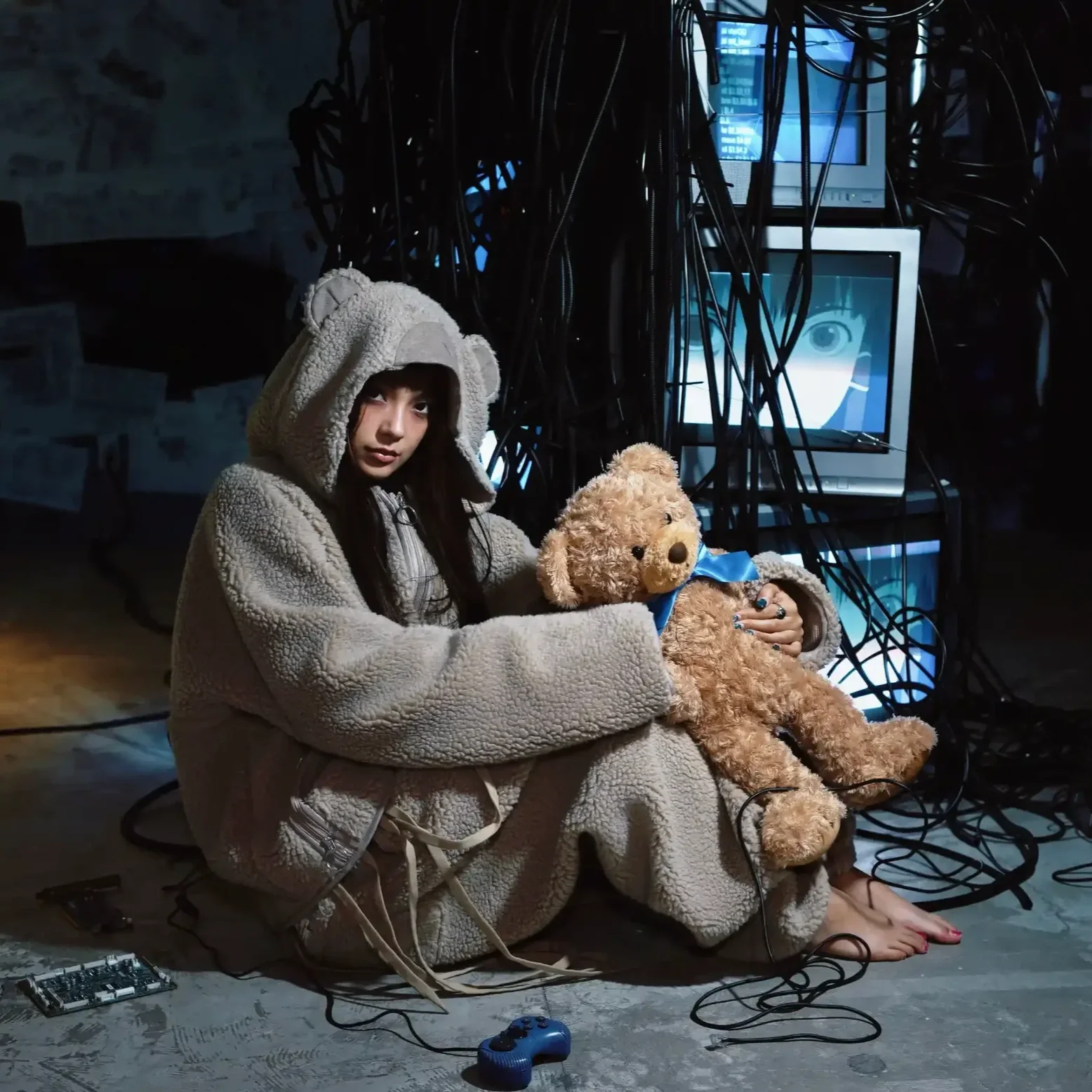
They might certainly look sleepy or tired. But it’s not actually part of their setting or character concept. Rather, the expressions and atmosphere that we personally like naturally find their way into the characters.
Many of them have expressions that make their emotions difficult to read, but we try to bring out each character’s individuality through their outfits and poses.
You often use 3D printing to create your figures. Is there a particular reason you choose 3D printing over other methods?
It’s less that we’re specifically committed to 3D printing, and more that it’s currently the method that fits our way of working best.
We can handle the entire process ourselves, from sculpting to finishing, which allows us to move quickly through the cycle of coming up with an idea, testing it, and experimenting with it again and again. We really like being able to get close to the quality we’re looking for in a relatively short amount of time.
3D printers are also relatively easy to introduce into our workflow, and we like how much freedom they give us during the creative process. That said, we don’t plan to limit ourselves to 3D printing. As we continue, we’d like to expand the range of ways we produce things and experiment with different methods.
Are there any particular mediums or forms of expression you’d especially like to explore in the future?
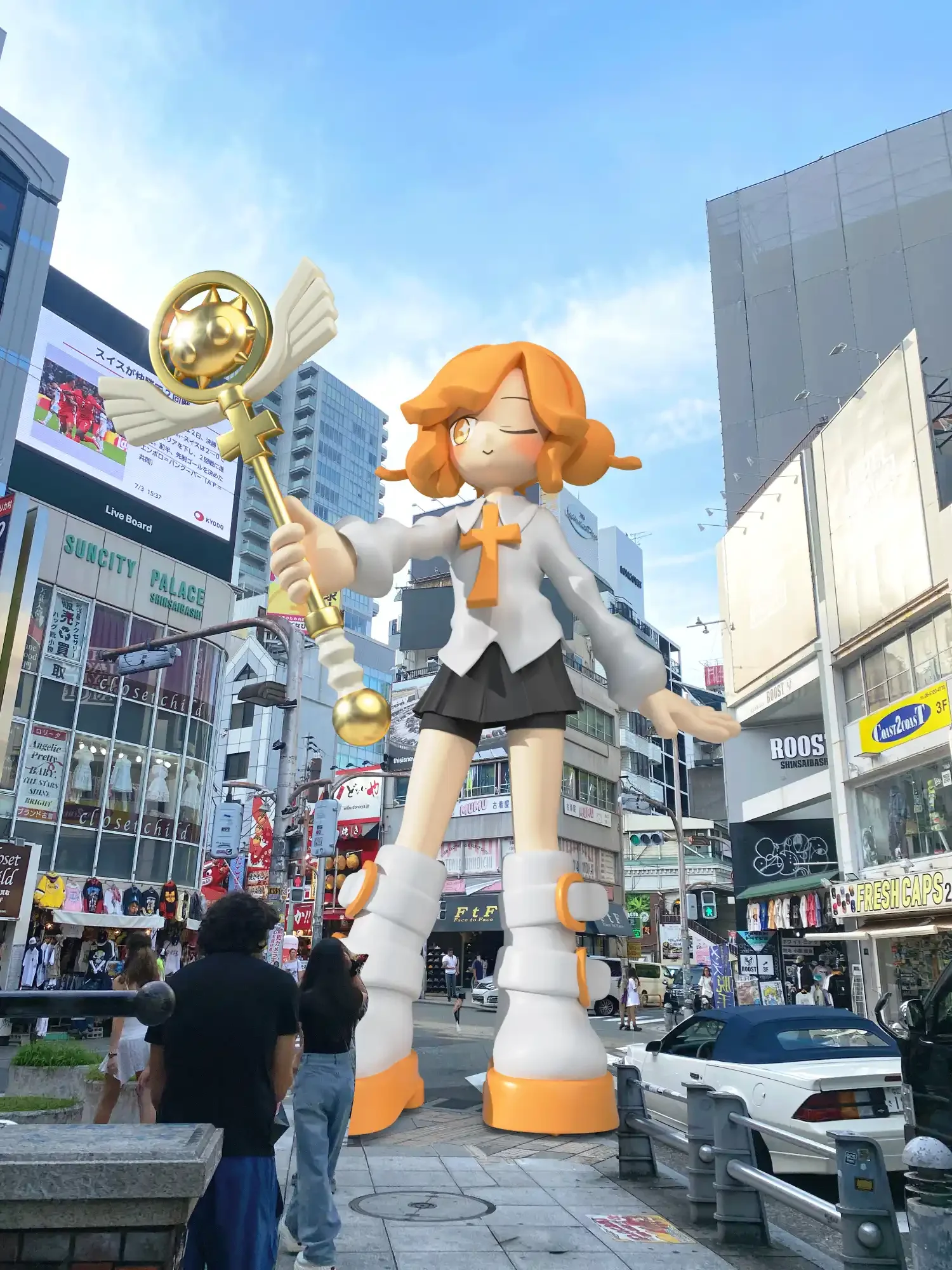
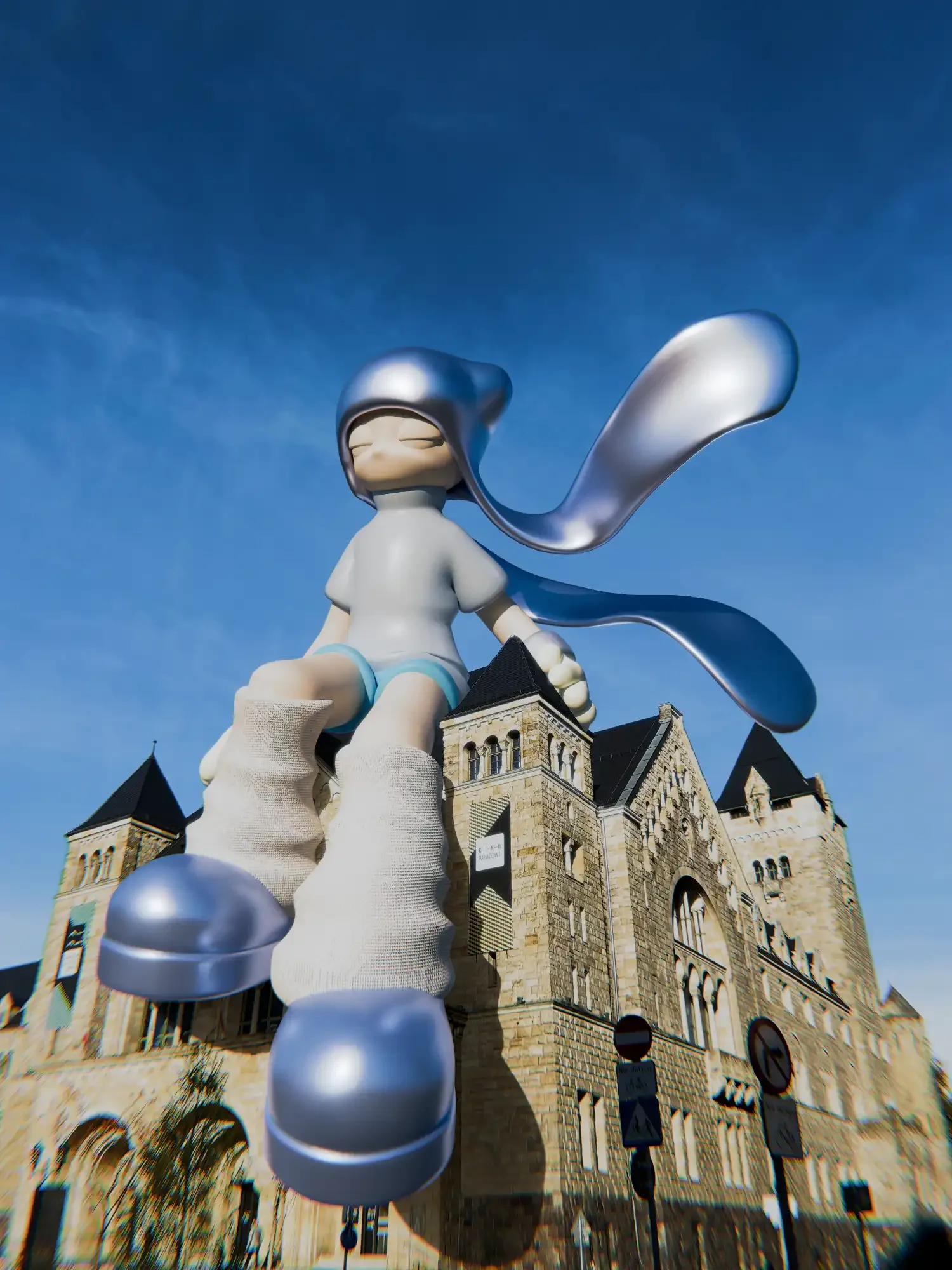
What we’re particularly interested in is finding ways to experience the world of SOSU as a space.
Digitally, we’d like to create a virtual world where you can actually walk around inside it and feel the presence of the characters around you.
Physically, we’d like to create spaces through Pop-ups and exhibitions where animations, figures, and other elements come together, allowing people to experience the world of SOSU throughout the entire space.
By expanding the same world through both digital and physical forms, we hope to create a deeper way of experiencing SOSU.
© SOSU
Is there anything about SOSU that you feel is misunderstood by the public?
We wouldn’t necessarily call it a misunderstanding, but people who first discover SOSU through our POP-UPs or products may often see it primarily as an apparel brand.
Of course, fashion and merchandise are important forms of expression for SOSU. But what we ultimately want to create is a world of its own, inhabited by these characters.
Through animation, figures, and the other things we create, we hope to gradually reveal more of that world and give people a sense of the bigger picture of SOSU.
Follow the journey of SOSU on
© SOSU
Trending articles

Inside the culture and friendship behind Matthew Ballard’s HIGH RECEIPTS.