
Toru-san on Doing It Wrong - Japan’s Dancing Salaryman
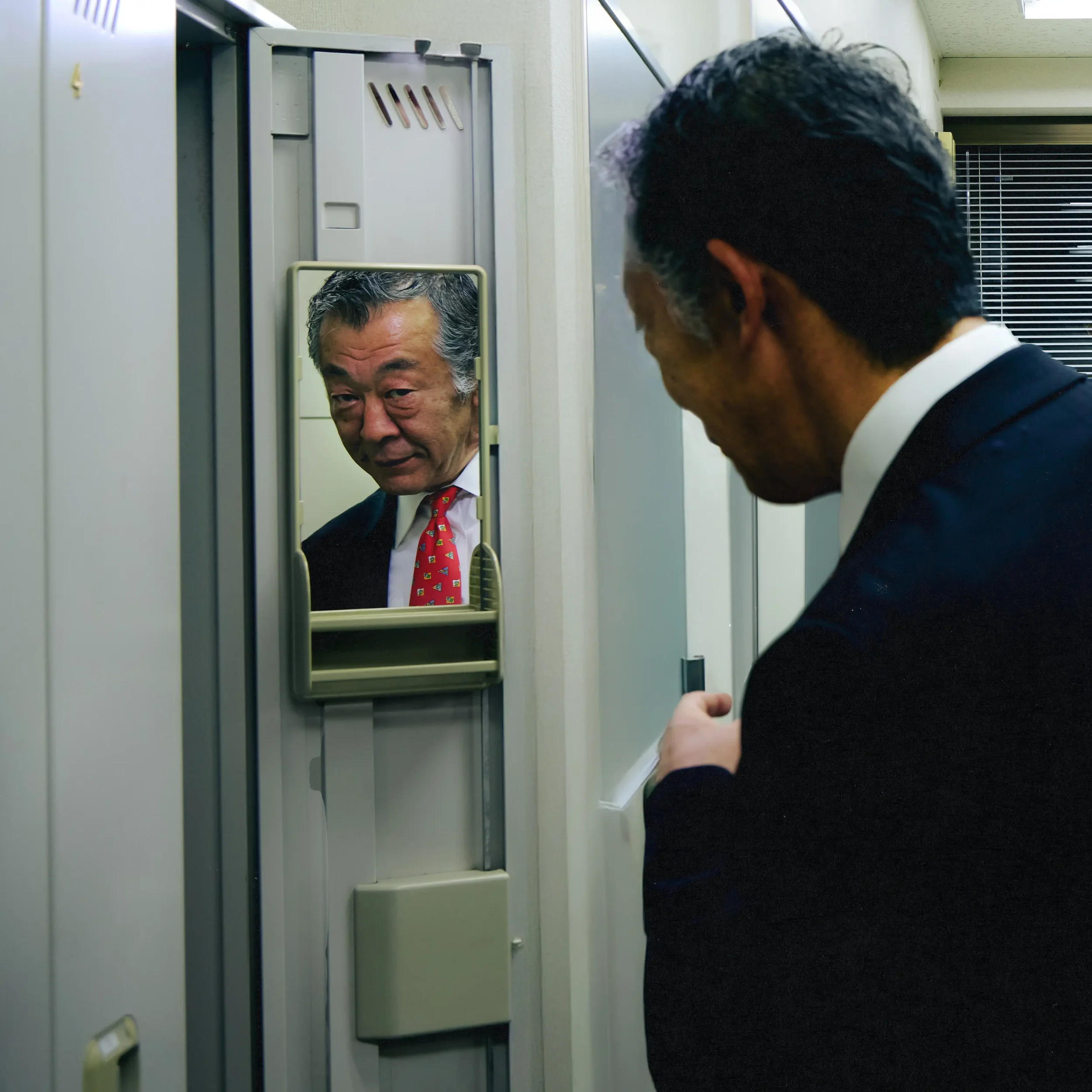
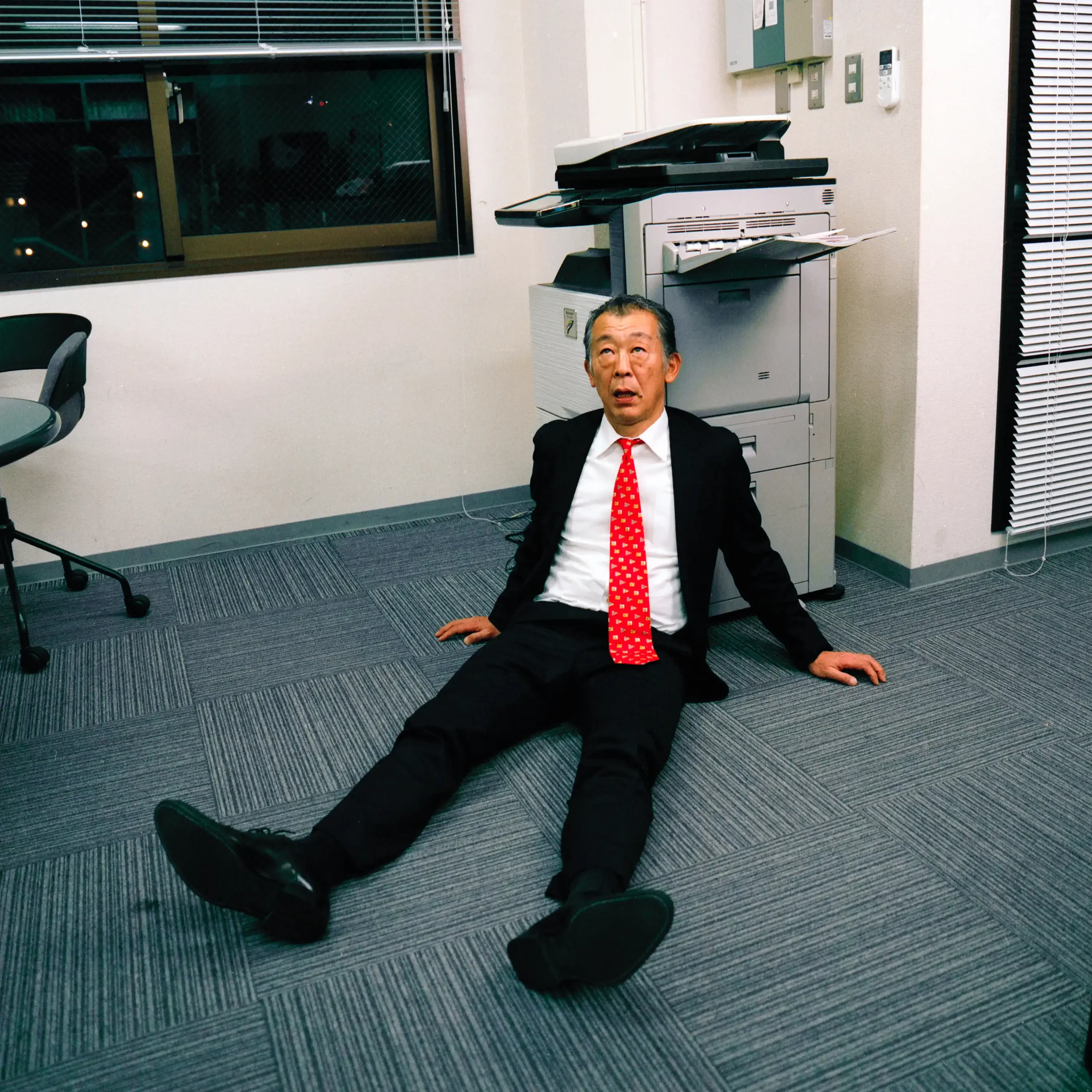
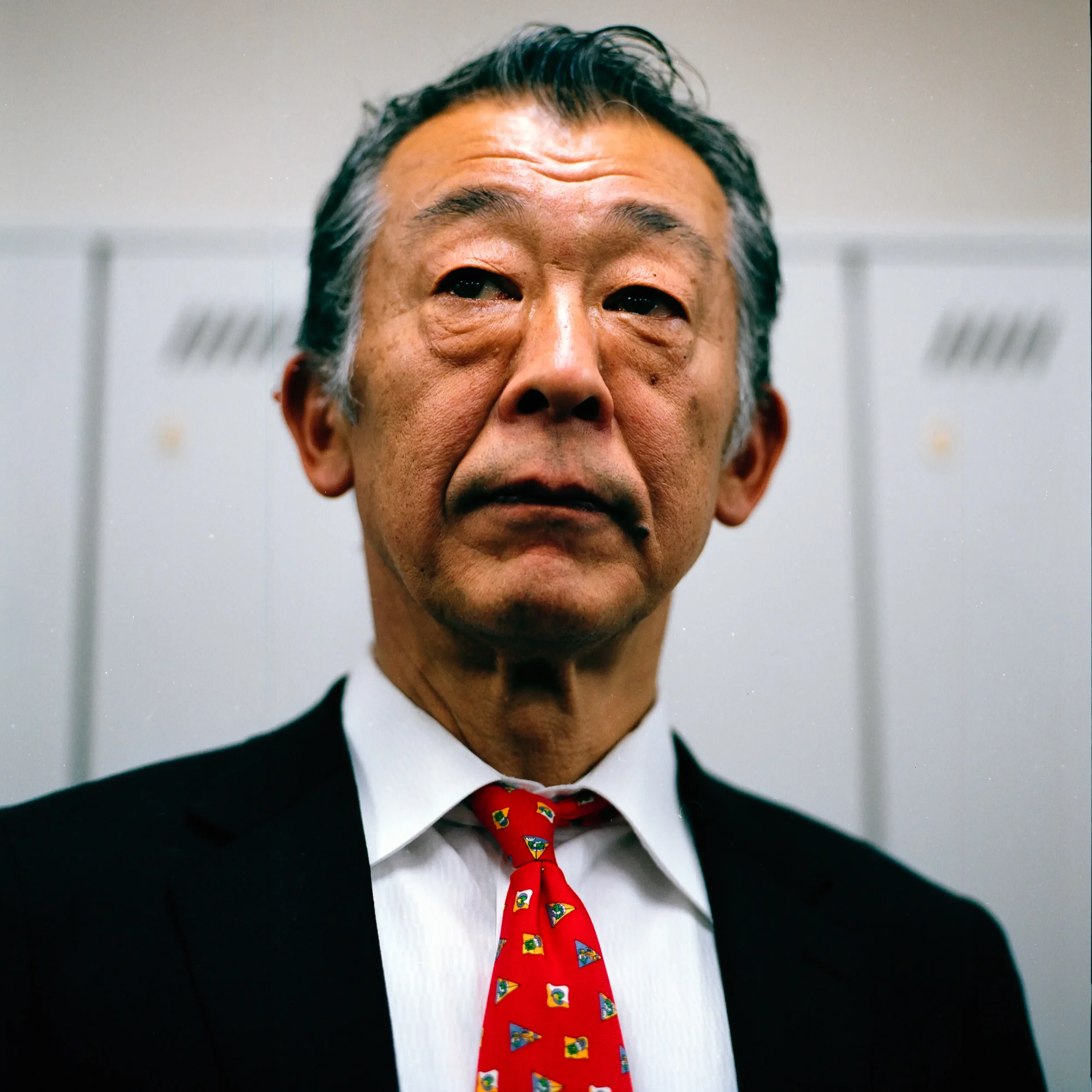
Toru san│© Francisco Narciso
A lot of overseas fascination with Japan centres on extremes: hyper-order, hyper-cute, hyper-dark. There is a reason pages like Shibuya Meltdown travel so well: the image of exhausted salarymen on the street compresses a whole story into a quickly consumable image.
Enter the Japanese salaryman we collectively recognize. He looks like the archetype: a middle-aged man in a suit. Until he starts dancing and breaks all your expectations. Toru Utsumi, better known as Tohru Dance, has quickly become a viral phenomenon, carving out a niche so specific it’s now a reference point somewhere between crashed out salarymen in the streets of Shibuya and the phrase “work culture is intense.”
What’s harder to explain is why his image resonates so strongly outside Japan, and why, inside Japan, it often doesn’t.
When we speak, Toru acknowledges this imbalance. His audience is overwhelmingly overseas. Japanese followers exist, but they’re a minority, and empathy from them, he says, is limited. So we ask the obvious questions.
Why do you think your work is more appreciated overseas?
Probably because of Japanese culture itself. At the very beginning, I did get comments from Japanese viewers, but many of them were quite negative. They said things like, “You’re not dancing the choreography the way it’s supposed to be danced,” or, “Are you making fun of that dance group?”
That’s intense.
I was honestly surprised people could even think that way. Their logic was: “These dancers practice properly and polish their routines to perfection, and then this goofy middle-aged man comes along and dances it casually, that’s disrespectful.”
But dancing doesn’t really have strict rules, right? It’s self-expression.
Exactly. That part feels much more important to me.
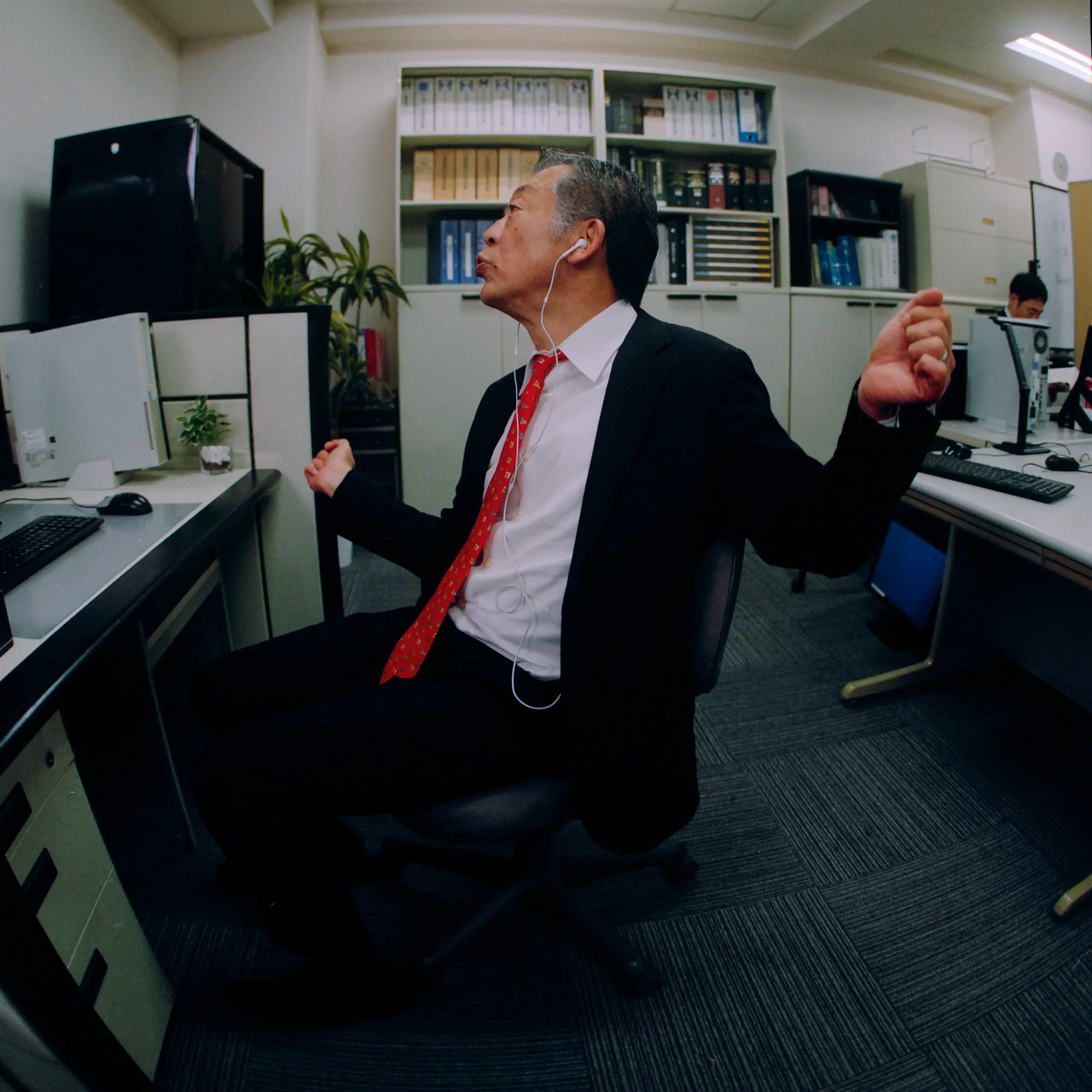
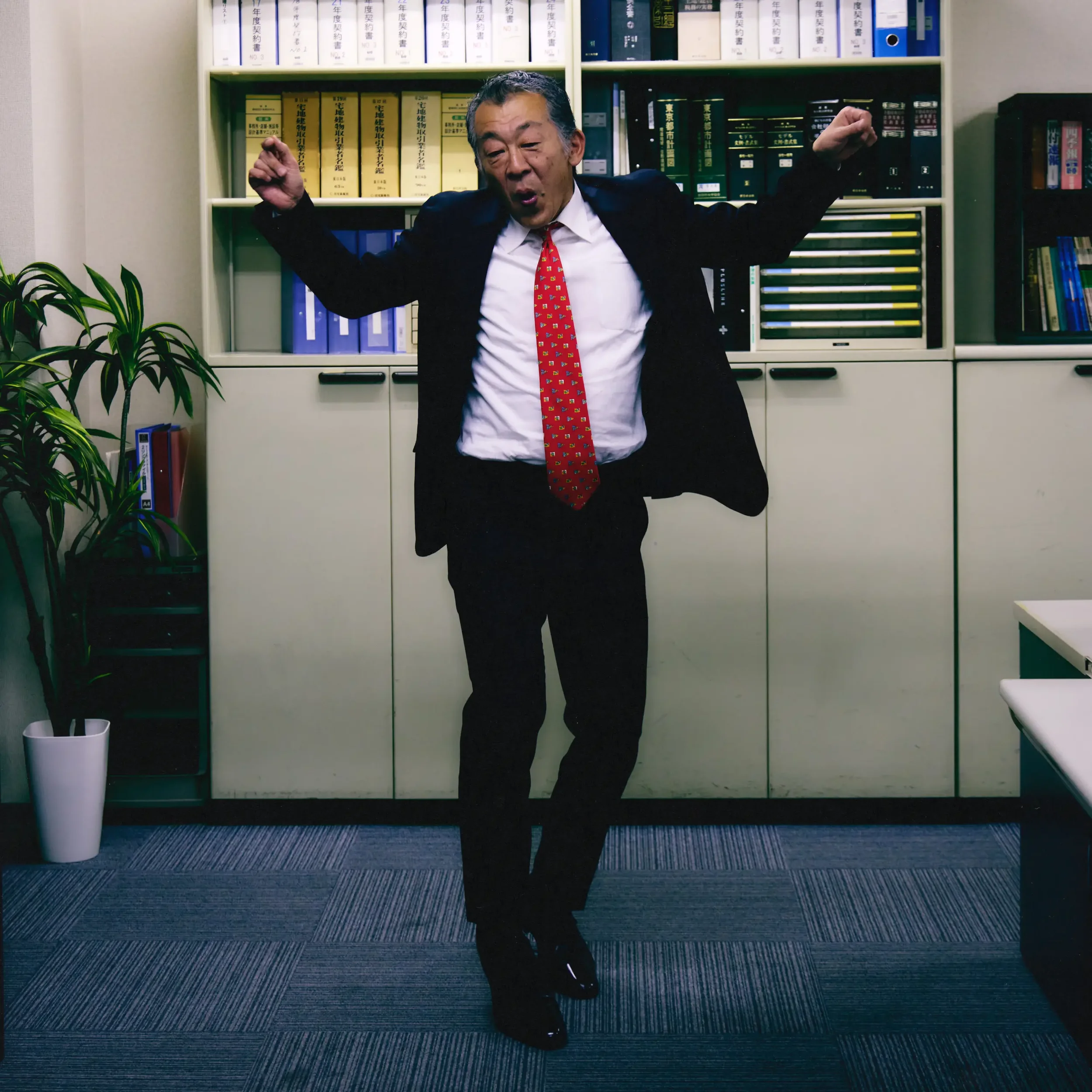
Toru san│© Francisco Narciso
There’s a growing sense that Japanese companies, and Japanese society more broadly, are becoming increasingly rigid. In that context, the way you express yourself feels like a small kind of Olympics celebrating freedom and joy inside a stiff corporate system. You work a regular job, yet you dance in a suit. That image feels like it carries a message.
I don’t really see it as a message in that sense. I think it’s more that I personally don’t really fit into Japanese society very well. I often think, “If everyone lived like this, life would be easier.” But realistically, I don’t think many people can express themselves this way.
People like this do exist, but if they go too far, they start worrying about company reputation, evaluations, whether they can keep their job. Those anxieties naturally appear. So I think it’s difficult.
If people were able to release stress the way you do, do you think Japan would look different from the outside?
Maybe. If people could vent more openly, Japan might not look so broken. But I don’t really know what each person is feeling during the day, how they’re actually working. I only know what I’m doing.
What do you usually do for work?
I work in management consulting. Basically, I help organizations change. I ask younger people, “What do you actually want to do?” and then encourage them to go for it.
That sounds surprisingly close to what you’re doing through dance.
Yeah, it connects directly. I can tell myself, “This is fine.” I quit my company and started my own business at 40. Back then I wasn’t dancing yet, but the mindset was the same. If you’re going to do something, doing it halfway is the worst option. So when people started reacting positively to the dancing, I thought, “Well, then I might as well fully lean into it.”
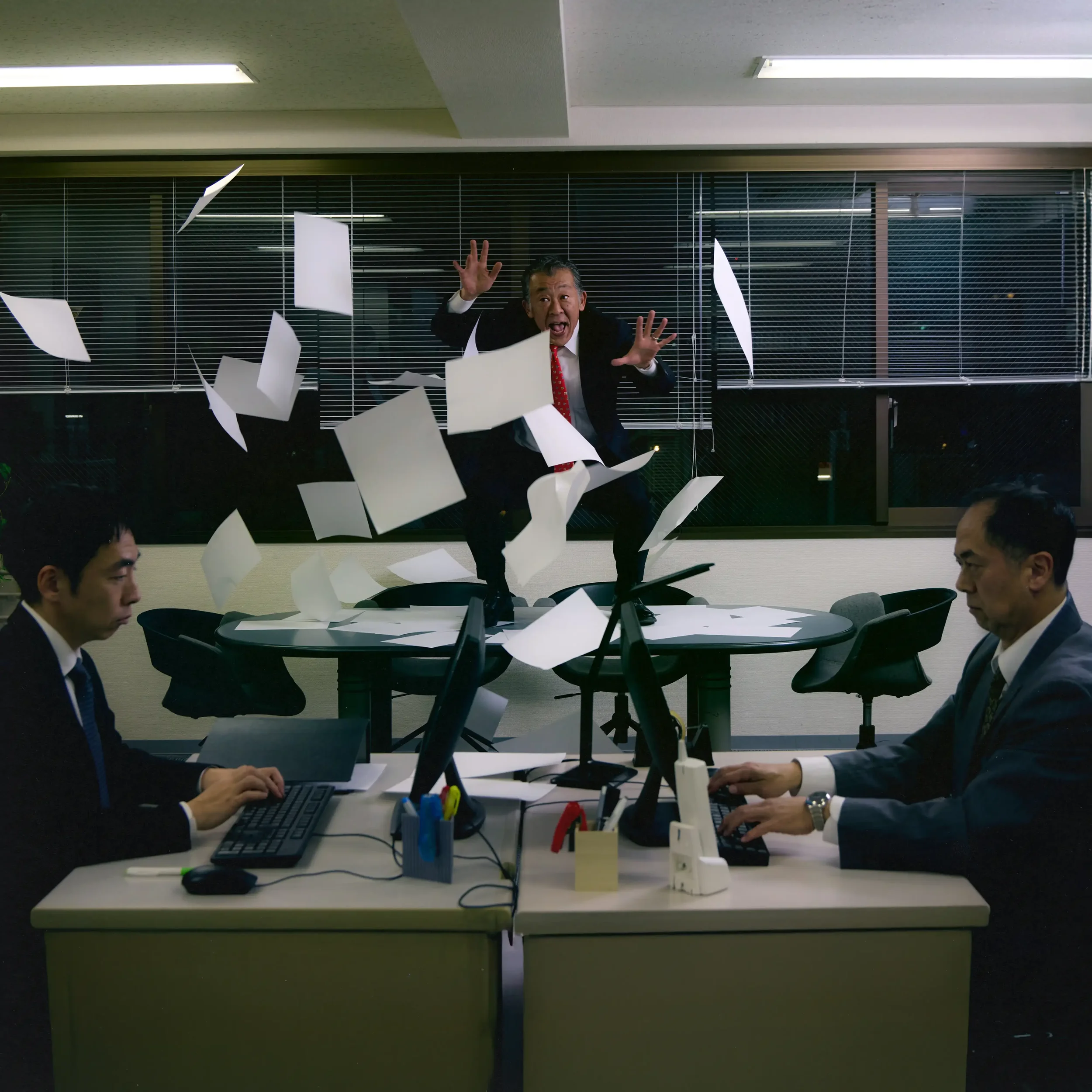
Why dance? And why now?
Around 50, I started feeling that the time left in my life was shrinking. Starting something new, especially something physical, becomes harder.
I thought, “If I start some explosive sport at 50, that’s going to be rough.” Well… I did it anyway. But then I asked myself what I used to do when I was younger. And the answer was dance.
When did you actually start again?
At 52.
Had you been dancing before that?
Yes. So it wasn’t like I was a total beginner. Dance itself was self-taught, but in our generation we danced constantly, discos, clubs, that whole culture. So it wasn’t completely new.
That was during the bubble era, right?
Yeah. I was right at the very end of it. People older than me experienced the full bubble. I felt like I was slightly late. But when I was in high school and going to discos, everyone did it. That was probably still bubble-era.
Were you especially into music?
Very much. People often ask how I can dance to so many genres. The requests I get are completely chaotic. One moment it’s death metal, then suddenly folk dancing from some region in Italy.
But that doesn’t bother me. I’ve always listened to a huge range of music. My background is interesting, I was born into a church family. My father was a pastor, so I grew up surrounded by hymns. Then I rebelled and played in a punk band.
In high school, heavy metal was popular, so I listened to metal. At night, I went dancing to Eurobeat at discos. All of that blended together inside me.
So now, when someone requests any genre, I can more or less dance to it.
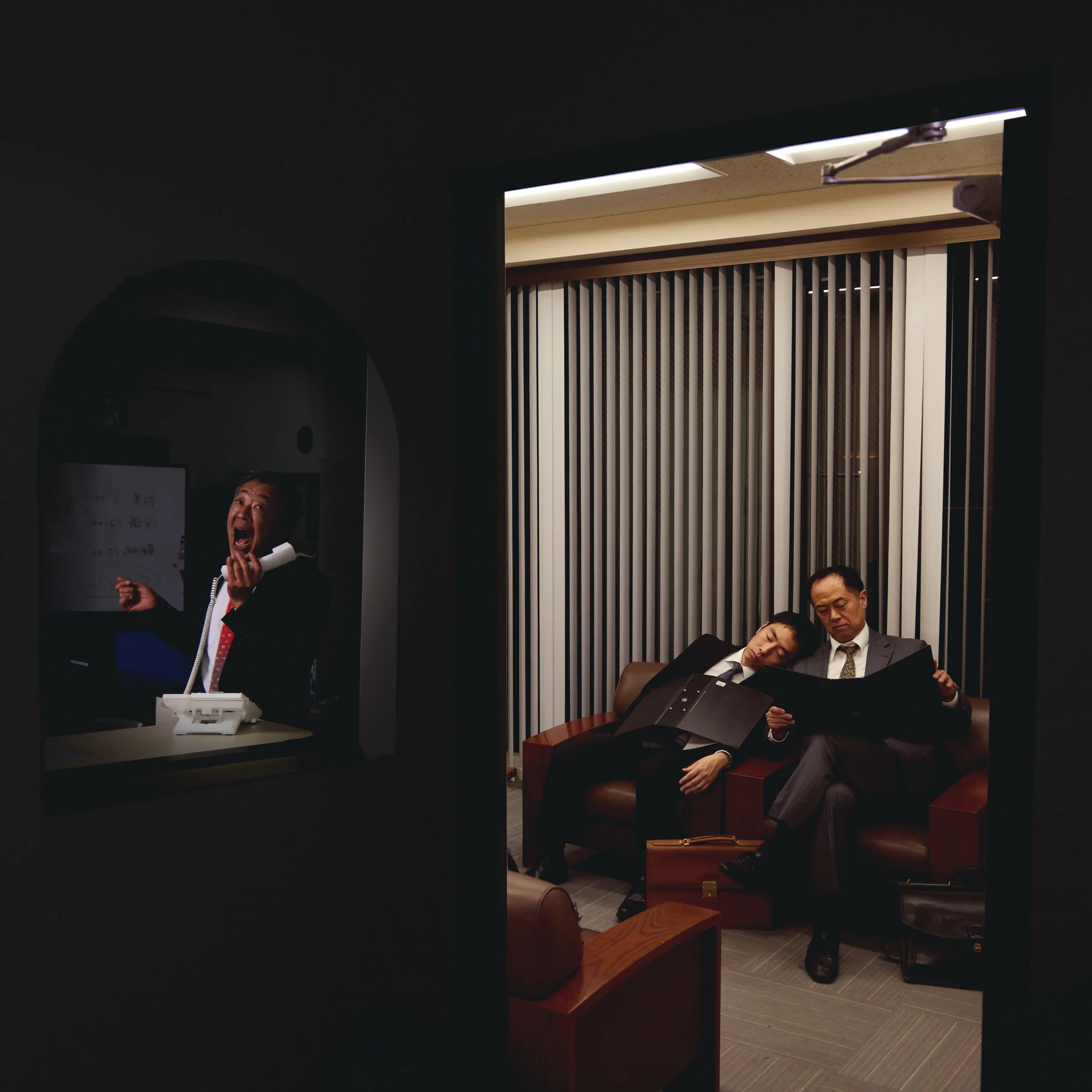
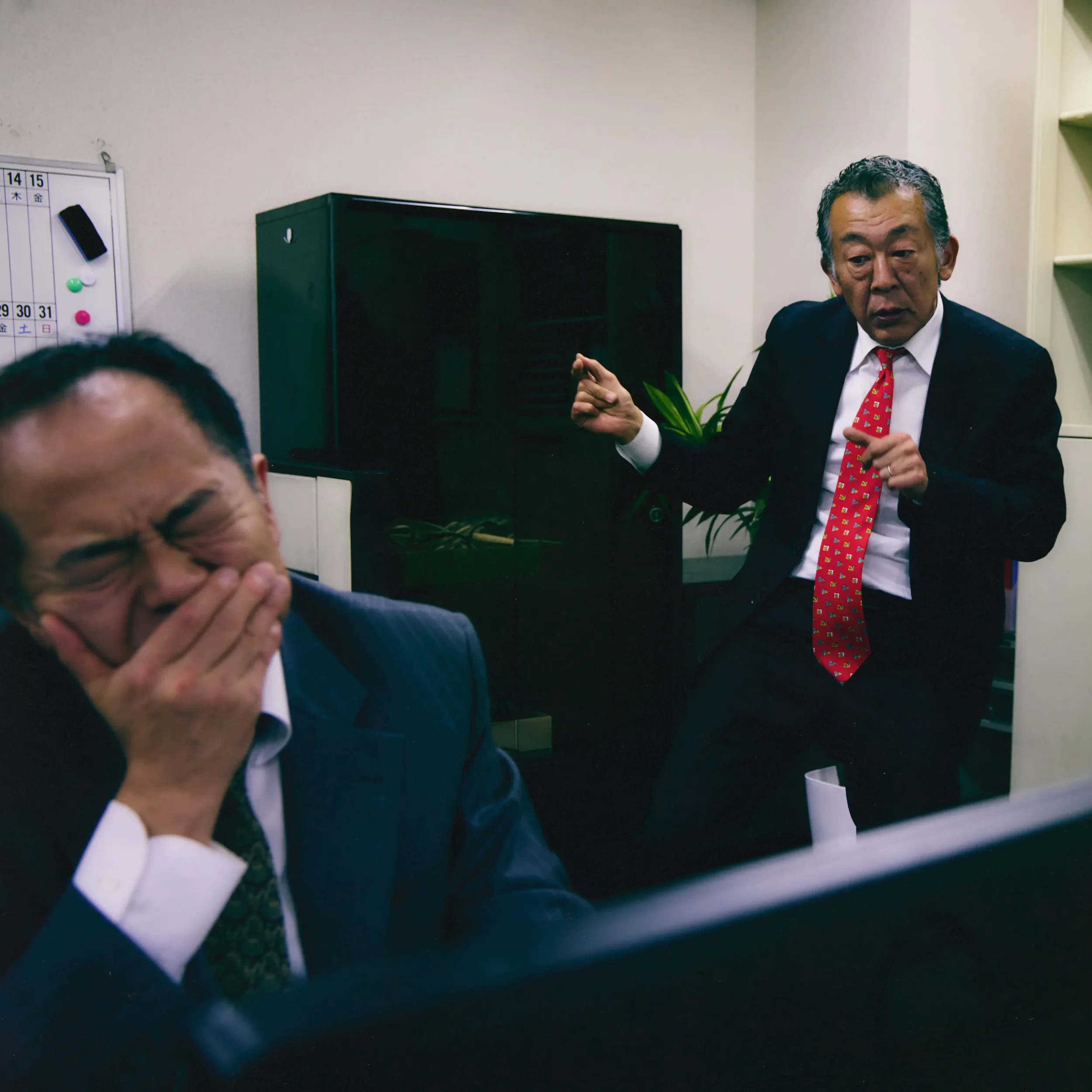
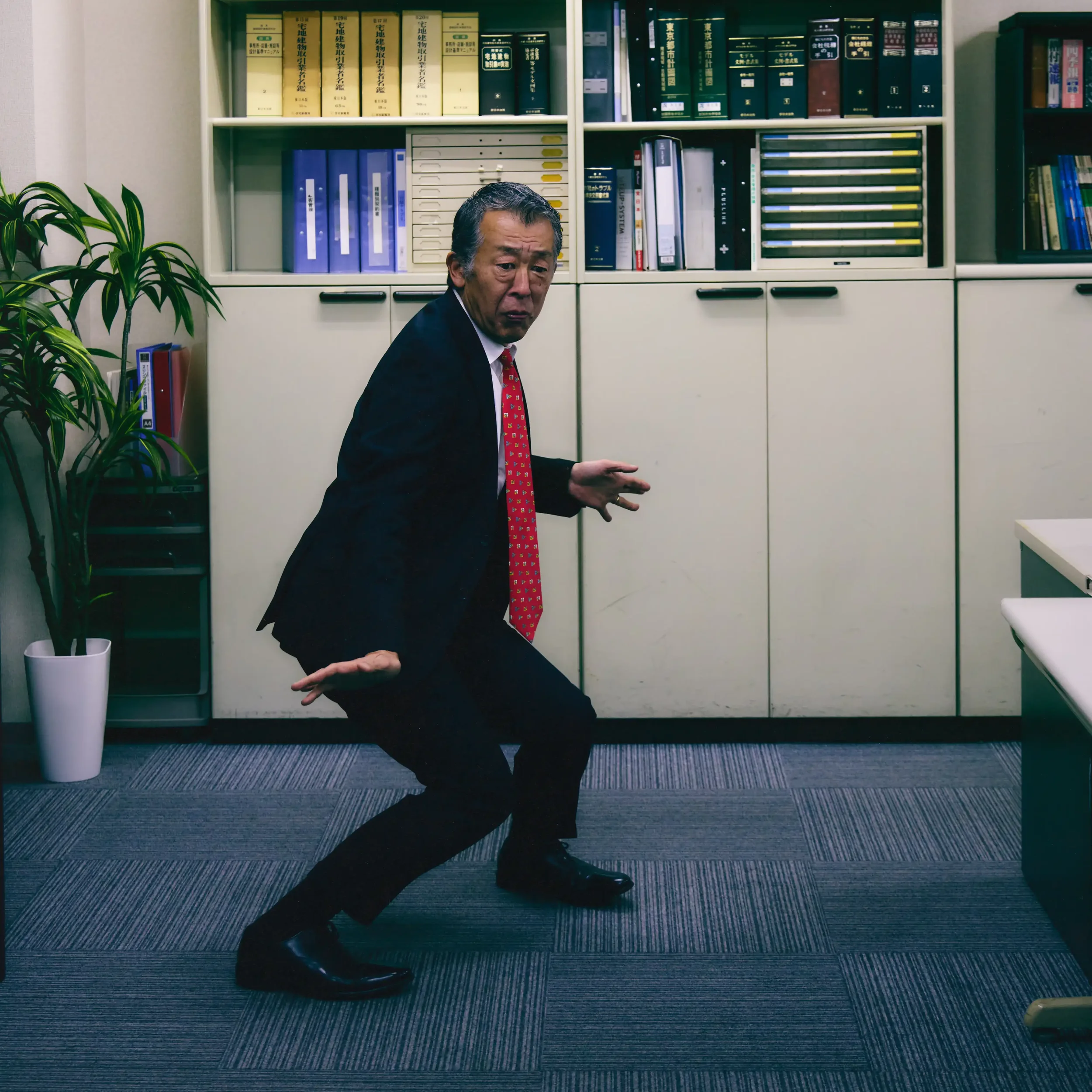
How did people around you react when you started dancing again at 52?
Honestly, no one knew. I just started quietly. I started using Instagram around the same time too. My job already involved output, I always say improvement comes from output, so I thought, if I’m going to dance, I should post it. Even bad videos, if you upload them, people watch. That tension makes you try harder. So I believed I’d naturally improve.
That makes sense. It creates responsibility.
Exactly. People, especially young people, have lots of ideas now. And it’s definitely become much easier to put what you make out into the world. But what’s still hard is continuity. Anyone can do something once or twice. Continuing is the hardest part.
Why do you think that is?
Because people often confuse the method with the goal. And that makes things exhausting. They think, “I have to keep doing this,” and then continuity itself becomes heavy. I learned that through failure. Continuity isn’t the goal. Becoming better is the goal.
Becoming better? You often use the word 上達. How do you think about that?
Is there even an English word for 上達? I feel like it might get misunderstood. In English it feels more like “skill up” or “long-range improvement.” But 上達 includes more than that.
I often talk about the difference between success and growth. Success is a state: you succeeded. Growth is the process of getting there. I think 上達 is also that process.
Also, goals can change. That’s important. This might be a Japanese, or broader Asian, concept. It’s more ambiguous. People can even interpret it morally.
But I think being inside the process is what matters most.
Do you prefer dancing alone, or with someone?
Both. Dancing with others is fun in its own way. I dance with a group, some people are around my age, some in their late 40s, and two are around 70. But I can also have fun dancing on my own.
You get a lot of collaboration requests from overseas, right?
Yeah. People message me saying, “When I come to Japan, I want to dance with you.” Today, actually, I danced with someone from Mexico. We were speaking awkward Japanese and awkward English, but when we’re dancing it’s just fun. It crosses language.
When you’re dancing, when you’re fully immersed, what does it feel like?
It goes blank. You know that feeling when you’re truly focused? It becomes kind of white. You stop thinking. Dance is the quickest, most comfortable way for me to get there.
Do you enter that state intentionally?
If you think, “I have to get into that state,” it becomes painful. But if you listen carefully to music you like, and really listen, it just happens. You don’t listen thinking, “I’m going to enter a high. You just listen. And then you’re in.
So it’s sensory, not conceptual.
Exactly. But in the end, you just have to try. Have a fun experience. That’s it.
Toru san│© Francisco Narciso
Follow Toru-san’s journey on Instagram
An editorial concept by Yokogao Studio
Creative direction: Gill Princen
Photography & art direction: Francisco Narciso
Production: Roman Shibata
Assistant: Analicia Graça
Styling: Anton Frieser
Talent: Toru Utsumi
Salaryman 1: Shigezo
Salaryman 2: Kazuki
Dance team: O’jeys
Trending articles

Inside the culture and friendship behind Matthew Ballard’s HIGH RECEIPTS.